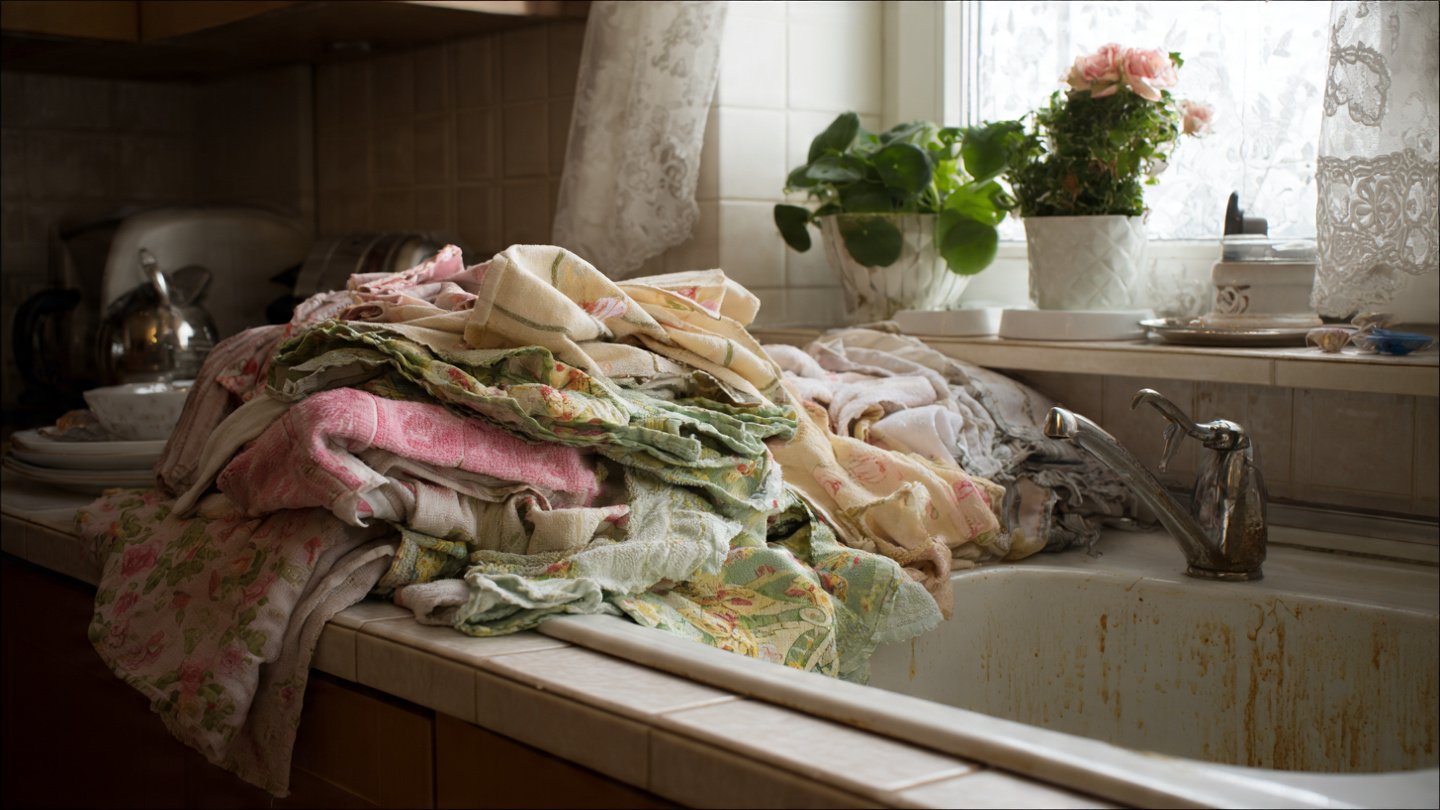
Kitchen cloths are essential tools for maintaining cleanliness and hygiene in our kitchens. However, many of us overlook the potential hazards posed by damp cloths if they are not dried properly and left for extended periods. This article explores the risks associated with leaving damp kitchen cloths and provides practical advice to mitigate these risks.
The Ideal Conditions for Bacteria Growth
A damp kitchen cloth provides the perfect environment for bacteria to thrive. Here’s how it happens:
- Moisture: Bacteria require moisture to survive and multiply. A wet cloth can become a breeding ground.
- Temperature: Most bacteria thrive at temperatures between 20°C and 40°C (68°F to 104°F), which is often the temperature of a kitchen.
- Nutrients: Kitchen cloths often contain food particles and organic matter, providing additional nutrients for bacteria.
Potential Health Risks
Leaving damp kitchen cloths for too long can lead to several health risks:
1. Bacterial Infections
One of the most immediate concerns is bacterial growth. Pathogenic bacteria such as Salmonella, E. coli, and Listeria can proliferate on a damp cloth, especially if the cloth has come into contact with raw food or spills. Handling food with contaminated cloths can facilitate the transmission of these harmful bacteria into our meals.
2. Fungal Infections
Damp environments are not just conducive to bacteria; they are also perfect for fungal growth. Mold and mildew can develop on damp cloths, which can trigger allergic reactions or respiratory issues when inhaled or come into contact with the skin.
3. Cross-Contamination
Damp cloths tend to be used in various areas of the kitchen, increasing the risk of cross-contamination. Wiping surfaces with a contaminated cloth and then using it on food prep areas can transfer dangerous pathogens from one surface to another.
4. Unpleasant Odors
Extended dampness leads to the growth of mold, mildew, and bacteria, which can cause foul-smelling odors. This not only impacts the kitchen environment but also your appetite and overall kitchen experience.
Signs That Your Kitchen Cloth is Contaminated
Knowing when to replace or clean your kitchen cloths is crucial. Some signs that your cloth may be contaminated include:
- Visible stains or discolorations
- Persistent unpleasant odors
- Visible mold or mildew growth
- Loss of texture or frayed edges
Best Practices for Managing Kitchen Cloths
To minimize risks associated with damp kitchen cloths, consider the following best practices:
1. Regular Washing
Wash your kitchen cloths regularly to prevent bacterial and fungal growth. It is advisable to wash them in hot water (above 60°C or 140°F) to effectively kill pathogens.
2. Use Separate Cloths
Designate specific cloths for different tasks in the kitchen. Use separate cloths for wiping countertops, dishes, and hands to minimize cross-contamination.
3. Air Dry After Use
After using a kitchen cloth, be sure to hang it up to dry in a well-ventilated area. Mold and bacteria thrive in enclosed, damp environments, so air drying significantly reduces their growth potential.
4. Use Disposable Cloths When Necessary
In situations where hygiene is a top priority, such as after handling raw food, consider using disposable cleaning cloths or wipes. This helps in reducing cross-contamination risks.
5. Implement a Cleaning Schedule
Establish a regular cleaning schedule for your kitchen cloths. Depending on usage, washing cloths every few days or weekly may be appropriate. Having a routine helps ensure that cloths do not remain damp for long periods.
Conclusion
While kitchen cloths are essential for maintaining cleanliness, leaving them damp for extended periods poses significant health risks, including bacterial and fungal growth, cross-contamination, and unpleasant odors. By understanding these risks and implementing best practices, you can maintain a healthier kitchen environment and reduce the threats posed by damp kitchen cloths. Regular cleaning, using separate cloths for different tasks, and proper drying procedures are critical steps in promoting hygiene in your kitchen.
FAQs
1. How often should I wash my kitchen cloths?
It’s advisable to wash your kitchen cloths at least every 2-3 days, or more frequently if they become heavily soiled or damp.
2. Can I use dishwasher or washing machine to clean my kitchen cloths?
Yes, you can use either the dishwasher or washing machine, but make sure to use hot water settings for effective cleaning and disinfection.
3. Is it okay to use the same cloth for everything in the kitchen?
It’s not recommended. Using separate cloths for different tasks (e.g., cleaning surfaces, drying dishes) helps minimize the risk of cross-contamination.
4. What should I do if I notice mold on my kitchen cloths?
If mold is present, discard the cloth or wash it in hot water with disinfectant. Ensure it dries completely before reuse.
5. Are disposable cloths better than reusable ones?
While disposable cloths can reduce the risk of cross-contamination, they may not be environmentally friendly. A balance between using durable cloths and disposables can be an effective approach, depending on specific tasks.