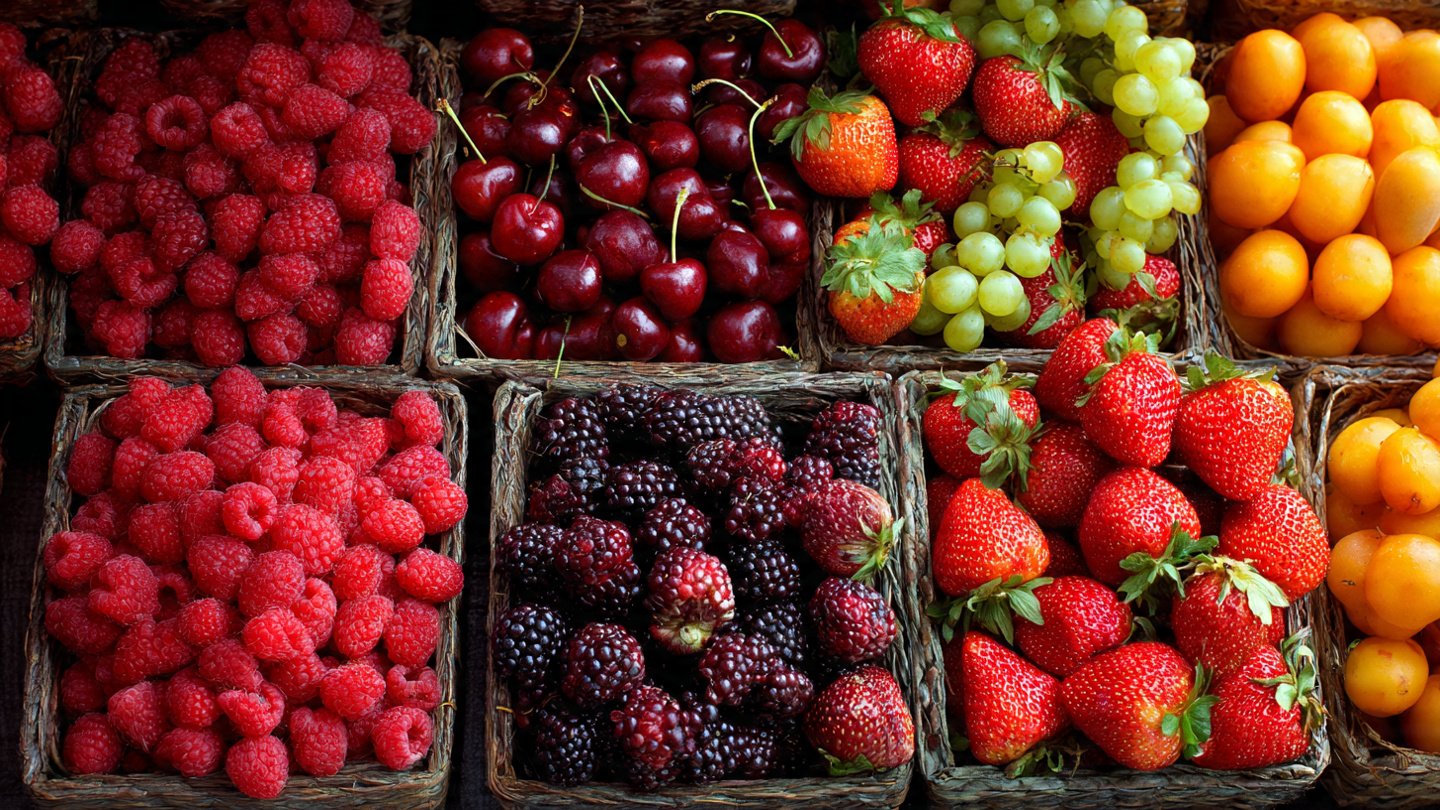
Fruit ripening is a complex process influenced by various biological, environmental, and handling factors. While most consumers focus on selecting the ripest fruit at the store, there are numerous hidden mistakes that can occur throughout the fruit production and distribution process, ultimately spoiling entire baskets of fruit unnoticed. This article delves deep into these hidden pitfalls, discussing how they impact fruit quality and how consumers can protect themselves from unpleasant surprises.
Understanding the Ripening Process
Ripening is a physiological change in fruit that occurs post-harvest. It involves several biochemical and physiological changes, including color alteration, softening of the flesh, and the release of aromatic compounds. These changes are primarily driven by ethylene, a plant hormone that initiates the ripening process. While ethylene plays a crucial role, it is also important to recognize that different fruits have unique ripening requirements.
For instance, stone fruits like peaches and cherries ripen differently compared to tropical fruits like bananas or avocados. The knowledge of these differences is essential not only for growers but also for consumers who wish to enjoy perfectly ripe fruit.
Common Mistakes in Fruit Ripening
1. Temperature Mismanagement
One of the most significant mistakes in fruit ripening is improper temperature control during storage and transportation. Fruits have specific temperature requirements for optimal ripening. For instance, most tropical fruits prefer warmer temperatures, while berries are best kept at cooler temperatures to slow the ripening process.
During transportation, fluctuations in temperature can lead to uneven ripening. Cold temperatures can inhibit the ripening process, causing fruits to remain hard and undeveloped. Conversely, high temperatures can accelerate ripening, leading to premature spoilage. Retailers often overlook these parameters, resulting in significant losses.
2. Ethylene Exposure
Ethylene gas is a natural byproduct of fruit ripening and is often used artificially to accelerate the process in commercial settings. However, the excessive use of ethylene can lead to problems. For one, exposure to ethylene gas from one type of fruit can cause neighboring fruits to ripen prematurely, causing uneven quality across a basket.
Moreover, certain fruits are more sensitive to ethylene than others. For example, apples produce significant amounts of ethylene and can cause nearby fruits to ripen too quickly. In a mixed basket of fruit, this could mean that while one fruit ripens perfectly, another becomes overly soft and spoiled.
3. Poor Harvest Practices
The way fruits are harvested has a direct impact on their shelf life and ripening process. Incorrect techniques can lead to bruising, which accelerates the decay process. Bruised fruits are more susceptible to diseases and pests, leading to entire batches being spoiled.
Additionally, fruits that are harvested too early often don’t have the necessary sugar content or flavor profile. These immature fruits may eventually ripen, but the result is often disappointing to consumers who expect juicy, flavorful fruit.
4. Inadequate Packaging
Packaging plays a crucial role in maintaining the quality of fruit during transport and sale. Improper packaging can lead to bruising, spoilage, and exposure to ethylene. For instance, tightly packed fruits in non-ventilated containers can trap ethylene gas, leading to accelerated ripening and spoilage.
Moreover, packaging that doesn’t provide adequate moisture control can cause fruits to dry out or become soggy from condensation. The choice of packaging material matters greatly in protecting the integrity of fruits throughout their shelf life.
5. Lack of Monitoring
Effective monitoring of fruit conditions during storage and transport is often neglected. Without proper systems in place to measure temperature, humidity, and ethylene levels, fruits may be subjected to suboptimal conditions for extended periods.
In commercial settings, the lack of technology to track these variables can lead to spoilage going unnoticed until it’s too late. Implementing simple monitoring systems can greatly improve the outcomes for fruit quality.
6. Cross-Contamination
Fruits are vulnerable to cross-contamination, which can occur during transport or handling. If spoiled fruit is mixed in with fresh fruit, it can lead to a rapid spread of decay. For example, fungal infections can quickly spread from one fruit to another, especially if they are stored together.
Retailers often display their fruits together without considering the varying ripening stages and vulnerabilities of different types. This simple oversight can spoil an entire basket of otherwise good fruit.
7. Ignoring Seasonal Variabilities
Fruits are seasonal, and each season presents unique challenges for growers and retailers. For example, offseason fruits are often harvested earlier than they should be, leading to a lack of flavor and texture. Retailers may also have trouble sourcing ripe fruits during the offseason, leading to subpar quality reaching consumers.
Seasonal variabilities also impact the availability of different fruit varieties, which affects pricing and quality as well. Ignoring these trends can result in entire shipments of fruit failing to meet consumer expectations.
Consumer Awareness and Solutions
Choosing the Right Fruit
Consumers can take an active role in ensuring they are selecting the best possible fruit. Understanding the ripening requirements of different fruits can help in making informed choices. For instance, when buying avocados, choosing fruits that are slightly firm and allowing them to ripen at room temperature can yield better results than purchasing overly soft avocados.
Proper Storage at Home
Once fruits are brought home, it’s essential to store them correctly. For fruits that continue to ripen after harvesting, such as bananas and pears, keeping them at room temperature until they reach the desired ripeness is ideal. Conversely, fruits like berries should be refrigerated to extend their shelf life.
Inspecting for Quality
Developing the habit of inspecting fruits for signs of damage, mold, or unsightly spots can help in avoiding purchases that spoil quickly. A keen eye ensures that you select the freshest and best quality fruit, reducing the risks of spoiling an entire basket.
Supporting Sustainable Practices
Consumers can also advocate for better fruit handling practices by supporting local and organic farmers who prioritize quality over quantity. These growers often implement sustainable and responsible practices that reduce waste and ensure better quality fruit.
Educating About Ethylene
Understanding the effects of ethylene can also play a significant role in preserving fruit. Storing fruits that produce ethylene (like apples and bananas) away from those that are sensitive to it (like strawberries) can prevent premature spoilage.
Conclusion
The hidden mistakes in fruit ripening can spoil entire baskets unnoticed, affecting both consumers and retailers. From temperature mismanagement and poor harvesting techniques to inadequate packaging and monitoring, these overlooked pitfalls have significant implications for fruit quality. By leveraging knowledge of the ripening process, enhancing storage practices, and making informed purchases, consumers can protect themselves from the disappointments of spoiled fruit. Understanding and addressing these hidden mistakes not only improves individual experiences but also contributes to a more sustainable fruit supply chain. By fostering better practices in harvesting, handling, and storing fruit, we can all enjoy fresher, perfectly ripe fruits in our baskets.