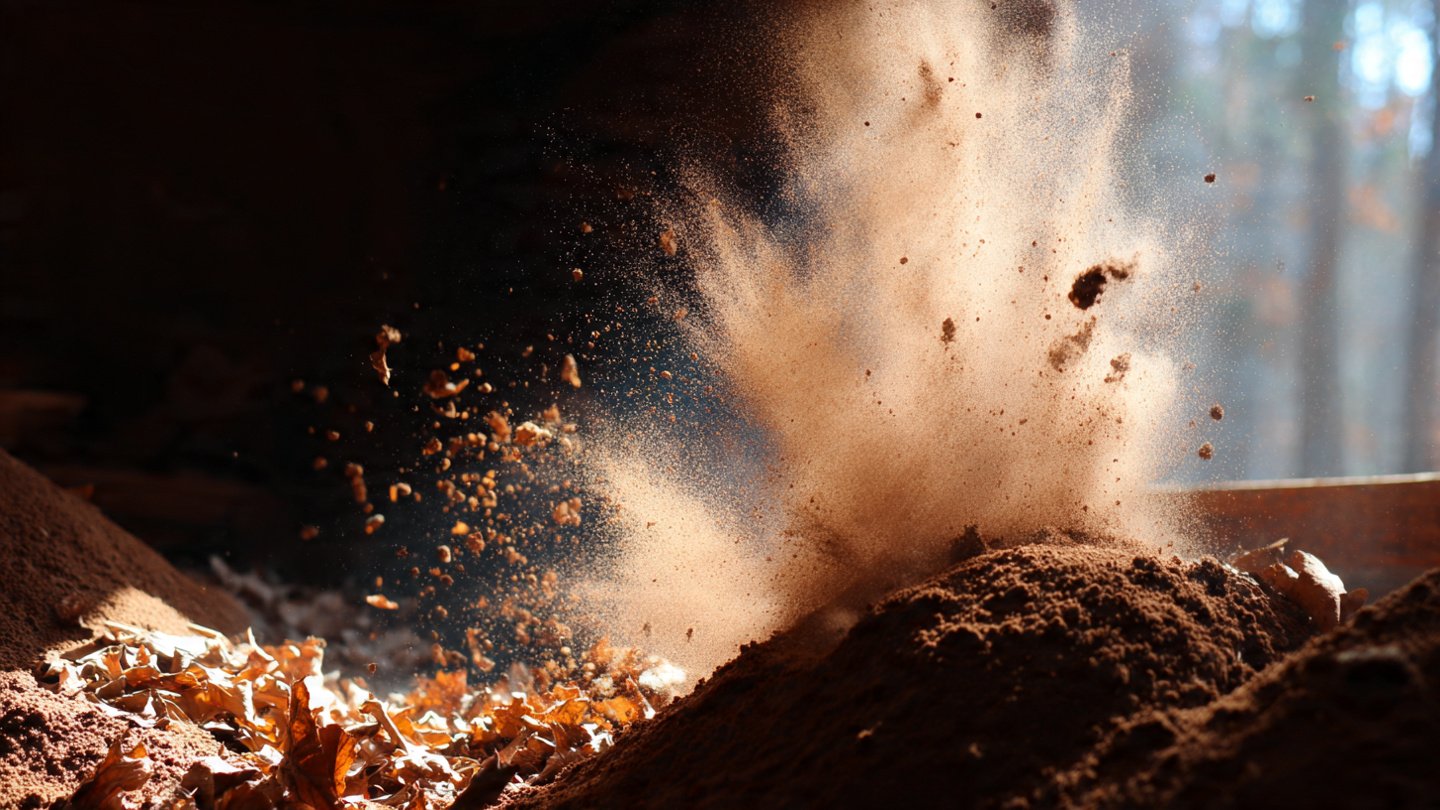
Composting is a natural process that transforms organic waste into a rich soil amendment known as compost. This is vital for sustainable gardening, landscaping, and farming practices. While many gardeners and farmers anticipate a dark, crumbly material when they open their compost bins or piles, there are instances when compost can turn into a powder-like, dry substance. Understanding what to expect during this phase is crucial for anyone involved in composting.
The Composting Process
Before delving into the transition to powder, it’s important to revisit the basic principles of composting. Composting involves microorganisms breaking down organic material, such as kitchen scraps, yard waste, and other biodegradable materials. The process occurs in several stages:
- Mesophilic Stage: During this initial phase, temperatures rise to around 110°F to 140°F as mesophilic bacteria speed up decomposition.
- Thermophilic Stage: As the temperature rises beyond 140°F, thermophilic bacteria take over. This stage helps kill off pathogens and weed seeds.
- Cooling Phase: After several weeks, the pile cools down. The material begins to stabilize as various microorganisms continue their work.
- Maturation: Over time, the compost matures and develops a stable structure.
- Curing: The final stage involves a longer period where the material stabilizes and develops beneficial microorganisms.
When Compost Turns to Powder
As compost matures, it can eventually turn into a dry, powdery substance. This transformation can be caused by several factors, including:
- Over-Drying: If a compost pile is exposed to excessive heat or lacks adequate moisture, it can dry out, leading to a powdery texture.
- Insufficient Material: A compost pile lacking enough ‘green’ materials (such as kitchen scraps) may break down too quickly, leading to a dry end product.
- Aeration Issues: Compost requires oxygen for aerobic decomposition. If the pile is too compacted, anaerobic conditions can lead to dry, crumbly material.
- Type of Ingredients: Some materials, like dried leaves or straw, can contribute to a more granular texture once fully decomposed.
Characteristics of Powdery Compost
A powdery compost material has distinct characteristics that differentiate it from well-aerated, moist compost.
- Texture: It will feel light and airy, similar to flour, and lacks the dense structure of rich compost.
- Color: Powdery compost may appear more brown or gray compared to the dark, earthy tone of mature compost.
- Odor: A well-aged, rich compost typically carries a pleasantly earthy scent. In contrast, a dry, powdery compost may have little to no smell.
- Nutrient Content: While the nutrient profile might still be intact, the way these nutrients are available to plants might be altered.
What to Expect
- Nutritional Value: While powdery compost may still possess various nutrients, the availability can differ from moist compost. Plants might find it harder to access those nutrients, particularly if they are in an inactive state.
- Erosion Potential: A dry, powdery compost is more prone to wind erosion. It can easily be blown away or washed away by rain if not applied correctly.
- Compaction Risk: If applied directly to soil without mixing, the powder can become compacted, creating a barrier that water struggles to penetrate.
- Application Techniques: When using powdery compost, it’s essential to incorporate it well into the soil. This can involve tilling it in or mixing it with moist materials to help reactivate the nutrients.
How to Revive Powdery Compost
If you find yourself with a batch of dry, powdery compost, don’t despair! There are several ways to revive and improve its quality:
- Moisture Addition: Gradually reintroducing moisture can help reactivate beneficial microorganisms. Spritzing with water or mixing in wet materials can help dampen the powder.
- Add Green Material: Introducing fresh kitchen scraps or green yard waste can introduce nitrogen and moisture, helping to reactivate the decomposition process.
- Aeration: Turning the compost pile can help aerate the material and introduce oxygen, encouraging microbial activity.
- Mix with Soil: If you’re not ready to use the compost, mixing it with garden soil can help improve its texture and nutrient availability.
Applications for Powdery Compost
Despite being in a less-than-ideal state, powdery compost can still play a role in gardening:
- Soil Amendment: When mixed into soil, it can improve drainage and aeration.
- Seed Starting Mix: A fine texture makes it suitable for seed starting, provided it’s combined with other materials for better nutrient availability.
- Mulch: A thin layer can act as mulch, helping to suppress weeds, though care must be taken to prevent erosion.
Prevention and Best Practices
To minimize the chances of compost turning into a powdery texture in the future, follow these best practices:
- Balanced Ingredients: Ensure a proper ratio of ‘green’ (nitrogen-rich) and ‘brown’ (carbon-rich) materials. A good rule of thumb is 1 part green to 3 parts brown.
- Monitor Moisture: Regularly check the moisture level of your compost pile. It should feel like a wrung-out sponge.
- Aerate Regularly: Turn your compost every few weeks to enhance airflow and prevent compaction.
- Temperature Monitoring: Keep an eye on the compost’s temperature. If it begins to drop, especially in the thermophilic phase, consider turning it more often to promote activity.
- Use a Compost Bin or Tumbler: These can help maintain optimal conditions for composting, helping it retain moisture and air.
Conclusion
While a powdery dry compost may not seem like the ideal end product of the composting process, understanding how it evolved and how to handle it can turn a potential setback into a resource. By recognizing the signs and adjusting practices, gardeners and farmers can ensure a steady supply of nutrient-rich compost, whether in its moist, crumbly form or its dry, powdery state. With some effort, even powdery compost can contribute to a thriving garden or farm, fostering the sustainability that good composting practices embody.
Embrace every stage of composting, and leverage each product it yields—even when it’s not what you expected.