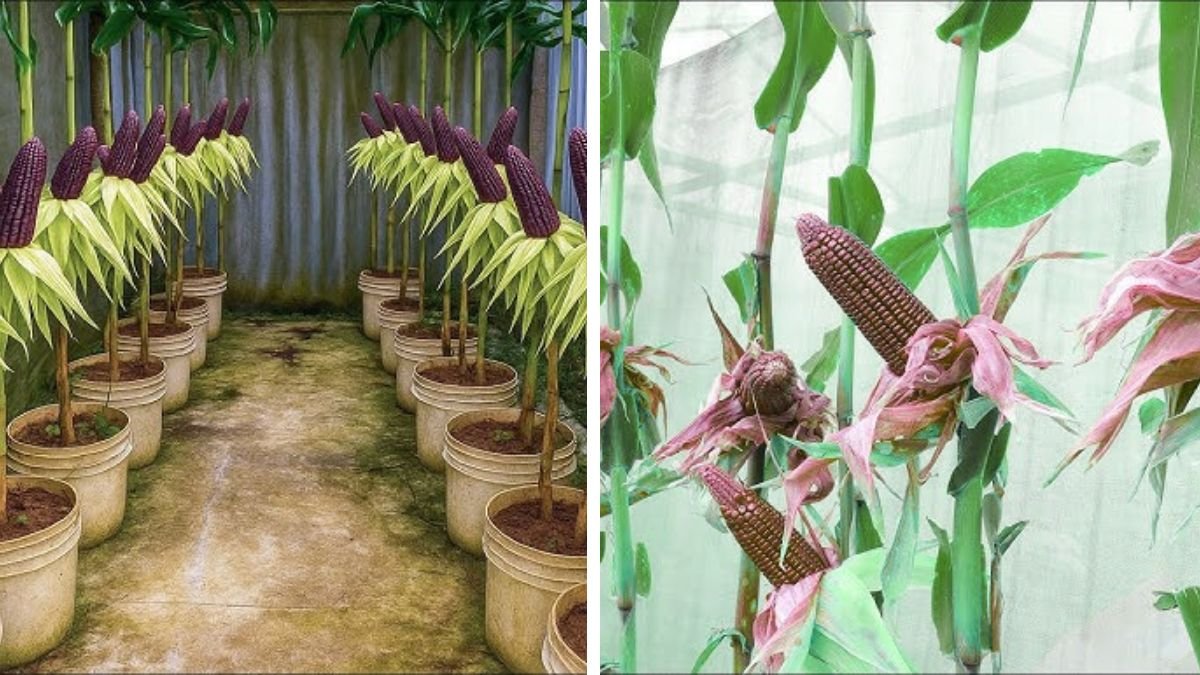
Introduction: Can Corn Really Grow in a Bucket
Corn is usually associated with large farms and open fields. Many home gardeners believe it cannot grow in containers. I decided to challenge this belief by experimenting with growing corn in a single bucket. The goal was to test whether corn could thrive in limited space. What happened during this experiment was completely unexpected. The plant grew stronger than anticipated and produced healthy cobs. This experiment proved that smart techniques can replace large land requirements.
Why I Chose Corn for a Bucket Experiment
Corn is a fast-growing and nutrient-hungry crop. Most people assume it needs deep soil and wide spacing. I wanted to test its adaptability in a bucket environment. Corn also responds quickly to good soil and sunlight. Its growth pattern makes results visible within weeks. Choosing corn made this experiment exciting and challenging. The results surprised everyone who saw the plants.
Selecting the Right Bucket
Bucket selection played a major role in success. I used a strong plastic bucket with a depth of at least twenty inches. Multiple drainage holes were added at the bottom. A wide bucket allowed better root spread. The bucket was cleaned thoroughly before planting. Proper container size ensured healthy root development. This step prevented many common container gardening problems.
Preparing Deep and Nutrient-Rich Soil
Corn requires rich and loose soil for rapid growth. I mixed garden soil, compost, cocopeat, and vermicompost thoroughly. This soil retained moisture while remaining airy. Sand was added for improved drainage. Heavy soil was avoided completely. Good soil preparation allowed roots to grow deep. Healthy soil directly supported strong stalk development.
Choosing the Best Corn Seeds
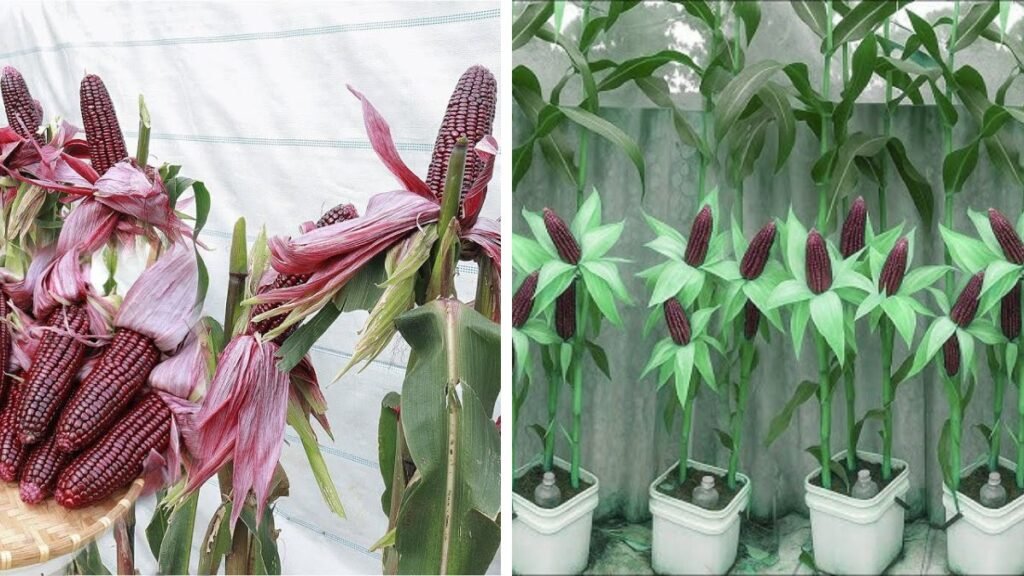
High-quality hybrid corn seeds were selected. These varieties grow well in controlled environments. Seeds were soaked in water overnight to improve germination. Healthy seeds germinated faster and more uniformly. Strong seedlings established quickly in the bucket. Seed quality played a major role in final results. This step set the foundation for success.
Planting Corn Seeds in the Bucket
Two seeds were planted in the center of the bucket. Proper spacing was maintained to avoid overcrowding. Seeds were planted at the correct depth. Light watering was done immediately after planting. The bucket was placed in partial shade initially. Seedlings emerged within a week. Early growth was strong and steady.
Sunlight Requirements for Bucket Corn
Corn needs plenty of sunlight to grow tall and strong. The bucket was placed where it received six to eight hours of direct sunlight daily. Sunlight exposure was monitored carefully. The bucket was rotated occasionally for even growth. Insufficient sunlight can weaken stalks. Proper light resulted in thick stems and healthy leaves.
Watering Strategy During Growth
Corn requires consistent moisture but hates waterlogging. The bucket was watered deeply every morning. Excess water drained out easily. During hot days, watering frequency increased slightly. Overwatering was avoided completely. Consistent moisture supported fast growth. Balanced watering prevented root problems and nutrient loss.
Fertilization for Strong Stalks
Corn is a heavy feeder. Liquid compost was applied every ten days. During vegetative growth, nitrogen-rich organic fertilizer was used. During cob formation, potassium was increased. Organic feeding improved soil health. Regular fertilization resulted in tall, green plants. Strong nutrition produced better cobs.
Supporting the Corn Plant
As the corn grew taller, support became necessary. A strong stick was added to prevent bending. The stalk was tied gently. Support prevented damage during windy days. Proper support ensured straight growth. This helped the plant focus energy on cob development. Stability was essential for container corn.
Pollination Challenges in a Bucket
Corn relies on wind pollination. In a single bucket, pollination can be challenging. I gently shook the plant daily during flowering. This helped pollen reach the silks. Hand assistance improved kernel development. Without this step, cobs would be poorly filled. Pollination management made a big difference.
Unexpected Growth Results
The corn plant grew taller than expected. Leaves were dark green and healthy. Flowering occurred earlier than predicted. Cob formation was strong and visible. The bucket environment did not restrict growth. This unexpected performance amazed everyone. The experiment exceeded initial expectations.
Pest and Disease Observation
Surprisingly, pest attacks were minimal. Container growing reduced soil-borne pests. Neem oil spray was used occasionally. No major diseases appeared. Good airflow and clean soil helped. The bucket setup remained healthy throughout the season. Preventive care worked effectively.
Harvesting Corn from a Bucket
Corn was harvested when silks turned brown. The cobs felt firm and full. Harvesting was done carefully. The kernels were well-filled and sweet. The yield was impressive for a single bucket. Harvesting proved the experiment successful.
Taste and Quality of Bucket-Grown Corn
The corn tasted fresh and sweet. Kernels were tender and juicy. Homegrown flavor was superior to store-bought corn. The family loved the results. Quality matched traditional field-grown corn. This confirmed the effectiveness of bucket gardening.
Lessons Learned from the Experiment
Container size matters greatly. Soil nutrition is critical. Pollination needs attention. Sunlight cannot be compromised. Watering must be balanced. These lessons improved future gardening experiments. The experience was educational and rewarding.
Common Mistakes to Avoid
Using small buckets restricts growth. Ignoring pollination reduces yield. Poor soil limits development. Inconsistent watering weakens plants. Avoiding these mistakes ensures success.
Table: Bucket Corn Growing Guide
Bucket depth – At least twenty inches
Sunlight – Six to eight hours daily
Soil mix – Deep, rich, and well-drained
Watering – Deep and consistent
Fertilizer – Organic liquid feeding
Harvest time – Sixty to seventy days
Why This Experiment Worked
Controlled soil improved nutrition. Roots had enough depth. Pests were reduced. Water and sunlight were managed well. Pollination was assisted. These factors combined for success.
Conclusion
Growing corn in a bucket proved that space is not a limitation. With proper care, corn can thrive even in containers. This experiment delivered unexpected and impressive results. Anyone can try this method at home. It opens new possibilities for urban gardening.