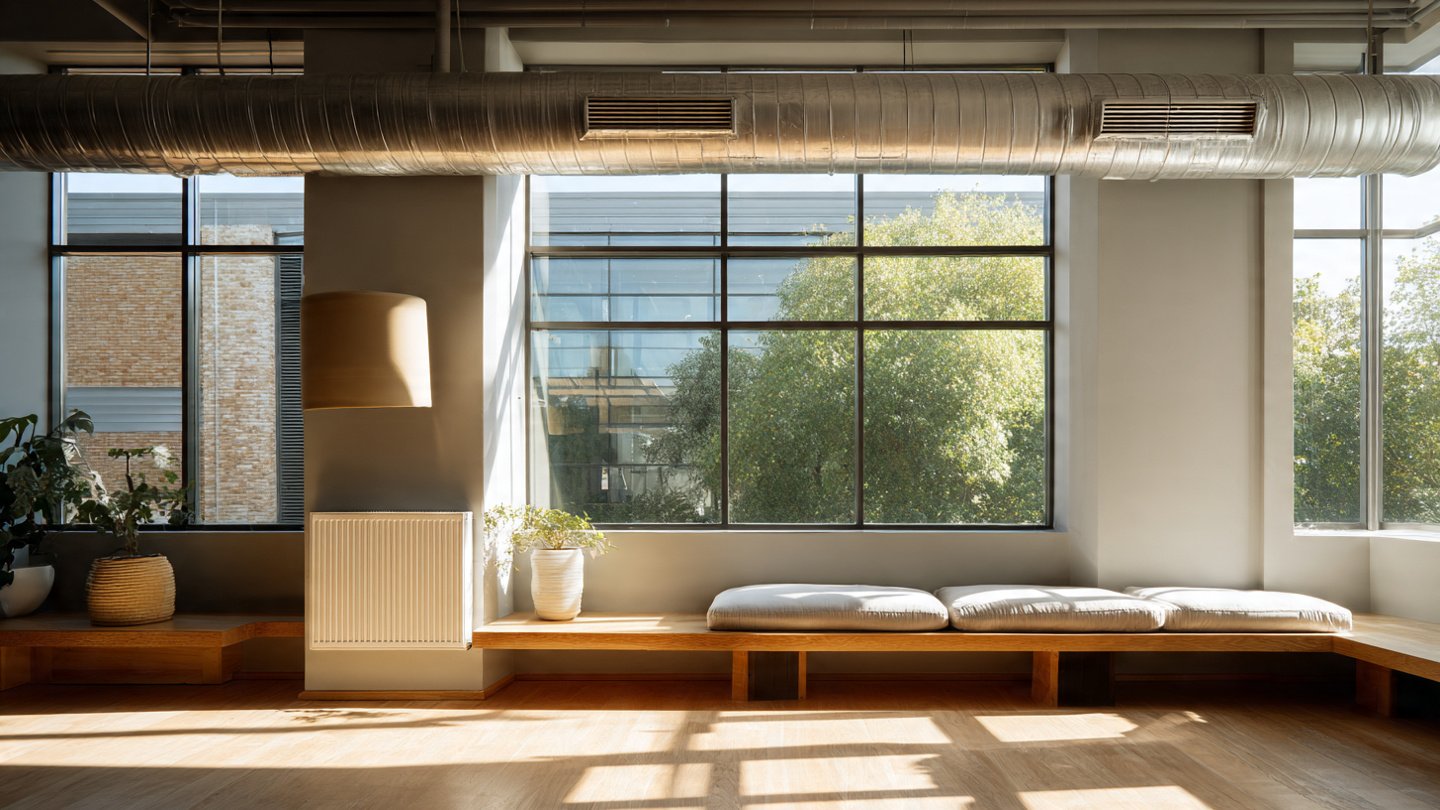
Indoor airflow is crucial for comfort, health, and energy efficiency in residential and commercial spaces. Proper airflow promotes better air quality, reduces humidity levels, and optimizes temperature control. Understanding airflow mechanics can greatly enhance indoor environments, making them more enjoyable and healthier.
The Importance of Airflow
Airflow refers to the movement of air within a given space, and its optimal management is essential for several reasons:
- Comfort: Even distribution of air helps maintain ideal temperatures throughout a space.
- Air Quality: Proper airflow reduces pollutants and allergens in the air, contributing to better health.
- Energy Efficiency: Efficient airflow can reduce the energy required for heating and cooling, thereby lowering utility bills.
Assessing Your Current Airflow
Before optimizing airflow, it’s important to assess the current state of air movement in your environment. Here are some steps to consider:
- Check Vent Locations: Make sure vents are positioned strategically throughout the space to allow air to flow freely.
- Inspect Ductwork: Look for any leaks or kinks in ductwork that could impede airflow.
- Evaluate Furniture Placement: Ensure that furniture doesn’t block vents or obstruct air movement.
- Use Temperature Sensors: Consider using multiple sensors to monitor different areas of the space for temperature discrepancies.
Strategies for Optimizing Airflow
Once you have assessed your airflow, you can implement several strategies to enhance it:
1. Improve Ventilation
Ventilation is crucial for introducing fresh air into a space. There are various methods to improve ventilation:
- Natural Ventilation: Open windows and doors when weather permits to allow fresh air in and stale air out.
- Mechanical Ventilation: Install exhaust fans in areas like kitchens and bathrooms to remove moisture and odors.
- Balanced Ventilation Systems: Such systems bring in equal amounts of fresh air while exhausting stale air, ideal for maintaining air balance.
2. Adjust Thermostat Settings
Optimal airflow can be enhanced by adjusting thermostat settings:
- Consistent Temperature: Maintain a consistent temperature setting. Frequent adjustments can cause air systems to work harder.
- Programmable Thermostats: Invest in a programmable thermostat to ensure efficient temperature management based on occupancy patterns.
3. Use Fans Strategically
Ceiling fans, oscillating fans, and exhaust fans can play a significant role in improving indoor airflow:
- Ceiling Fans: Set them to rotate counter-clockwise in summer to create a cooling breeze and clockwise in winter to circulate warm air.
- Box Fans: Use box fans in windows to draw in fresh air or exhaust stale air as needed.
4. Maintain HVAC Systems
Your HVAC system is crucial to managing airflow effectively:
- Regular Maintenance: Schedule annual maintenance checks to ensure your system is running efficiently.
- Clean Filters: Change or clean air filters regularly to prevent dust and debris from obstructing airflow.
- Duct Cleaning: Consider having ducts cleaned to remove blockages and improve overall efficiency.
5. Control Humidity
High humidity can impede airflow and create discomfort. Use dehumidifiers where necessary to maintain optimal humidity levels, ideally between 30% and 50%.
Creating Airflow-Friendly Spaces
Beyond mechanical solutions, consider how architectural elements and interior design impact airflow:
- Airing Out with Layout: Design spaces to allow unobstructed air movement. Avoid overly cluttered furniture layouts.
- Use of Material: Certain materials can absorb or reflect humidity; consider using breathable materials that promote airflow.
- Strategic Landscaping: Plant trees and shrubs strategically around property to create natural airflow patterns.
Benefits of Optimal Airflow
The advantages of maintaining optimal airflow in indoor environments are numerous:
- Enhanced Comfort: A comfortable indoor climate leads to happier occupants, whether at home or in the workplace.
- Healthier Environments: Improved air quality helps reduce health issues related to poor indoor air.
- Lower Energy Costs: A well-optimized airflow reduces the burden on HVAC systems, leading to lower energy consumption and costs.
Conclusion
Optimizing indoor airflow is vital for achieving better comfort, health, and energy efficiency. By assessing current airflow conditions, implementing effective strategies, and designing airflow-friendly spaces, you can create an inviting and healthy environment. Regular maintenance and smart system management make a significant difference in airflow optimization.
FAQs
What is the ideal humidity level for indoor spaces?
The ideal humidity level for indoor spaces is between 30% and 50%. Maintaining this range helps optimize comfort and air quality.
How often should I replace my HVAC filters?
HVAC filters should typically be replaced every 1-3 months, depending on usage and environmental conditions.
Can proper airflow save energy?
Yes, optimizing airflow can greatly reduce the energy required for heating and cooling, leading to lower utility bills.
Is natural ventilation enough for air quality?
While natural ventilation is effective in many cases, mechanical ventilation systems are often necessary to ensure consistent and balanced airflow.
How can I tell if my home has poor airflow?
Signs of poor airflow include uneven temperatures, increased humidity, stale odors, and excessive dust buildup.