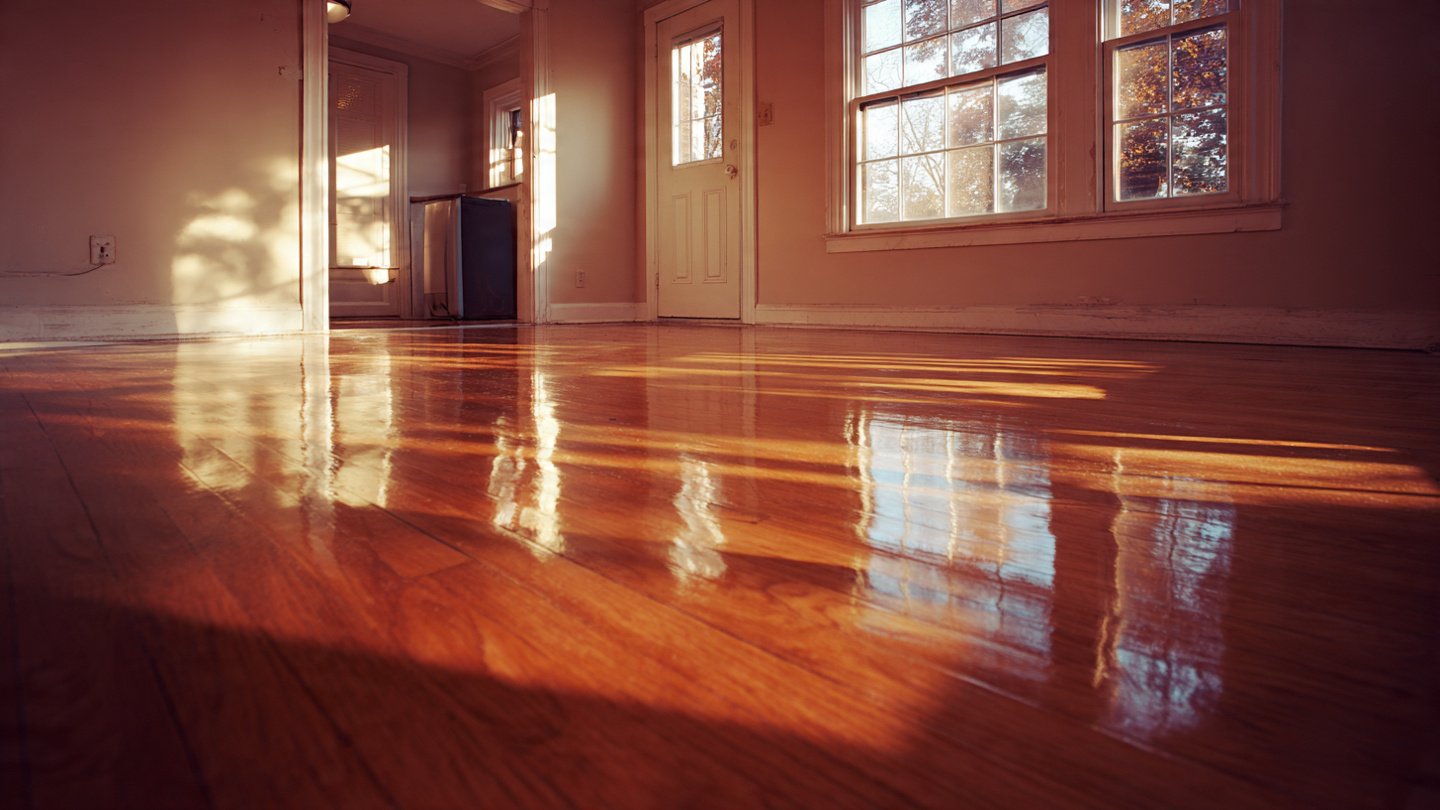
Understanding the Factors Behind Floor Dullness
Your floors are one of the most noticeable features in your home, playing a significant role in the overall aesthetic. However, it can be incredibly frustrating to see them lose their shine faster than expected. Here, we delve into the reasons that may contribute to the dulled appearance of your floors, providing essential insights that can help you maintain their luster over time.
1. Frequent Foot Traffic
One of the most obvious reasons your floors might lose their shine is the amount of foot traffic they endure. High-traffic areas, such as hallways and entryways, are particularly susceptible to scuffs, scratches, and general wear and tear. The soil, dust, and debris tracked in from outside can also contribute to this dullness, creating a film of grime that detracts from the floor’s shine.
2. Improper Cleaning Techniques
Using the wrong cleaning products or techniques can have a detrimental effect on your floors. For instance, harsh chemicals can strip finishes and dull surfaces, while using a mop that is too wet can cause water damage, especially on wooden floors. Always make sure to use cleaning solutions that are suitable for your specific floor type and follow manufacturer instructions to avoid damaging the surface.
3. Lack of Regular Maintenance
Just like any other part of your home, your floors require regular maintenance to keep them looking their best. If you neglect routine cleaning and periodic refinishing, you may find that your floors lose their shine much more quickly. Dusting and vacuuming regularly can prevent dirt buildup, while refinishing wooden floors every few years can help restore their sheen.
4. Exposure to Sunlight
Sunlight can have an unexpected impact on floor finishes, particularly if your floors are made of wood or laminate. UV rays can fade and dull finishes over time, leading to a less vibrant appearance. To mitigate this effect, consider using window treatments to block direct sunlight, or apply a protective film or coating that can help shield your floors from UV damage.
5. Humidity and Temperature Fluctuations
Environmental conditions play a significant role in the condition of your floors. High humidity can cause wood to warp, while extreme temperature changes can lead to cracks and gaps. These issues not only compromise the structural integrity of your floors but can also lead to a loss of finish. Maintaining consistent humidity levels and temperature can aid in preserving your floors and their shine.
6. Inadequate Finishing
If your floors were improperly installed or finished, they may be predisposed to dullness. For instance, a floor that has only received one coat of finish may not have the protective barrier needed to withstand daily wear. Make sure your floors are correctly finished, and when necessary, schedule professional refinishing to ensure optimal maintenance.
7. The Wrong Type of Flooring
The material itself can play a significant role in how quickly floors lose their shine. Some materials are naturally more durable and easier to maintain than others. For example, hardwood flooring is generally more prone to scratches and dullness compared to tile or vinyl, which can endure more wear. If you have a busy household, consider choosing flooring that is less susceptible to dulling.
8. Residual Cleaning Products
Sometimes, the very cleaning products you use can leave a residue that dulls your floors. Products that are too thick or have waxy components may create a buildup on the floor surface. This buildup can attract more dirt and grime, leading to faster dulling. Opt for residue-free cleaning solutions to help maintain the shine of your floors.
9. Pets and Children
If you have pets or young children, your floors may be subject to additional wear and tear. Claws can scratch wooden floors while spills and stains from children can lead to dullness over time. Using rugs in high-traffic areas and cleaning up spills promptly can help minimize such damage.
10. Lack of Protective Measures
Protective measures, such as mats and pads, can significantly reduce the amount of wear your floors experience. Placing mats at entry points can trap dirt and grime before they make it onto your floors. Similarly, using furniture pads can prevent scratching from heavy items being moved across the floor. Investing in these small protective measures can prolong the life and shine of your floors.
Conclusion
While it can be disheartening to see your floors lose their shine, understanding the reasons behind this issue is the first step toward effective maintenance. Regular cleaning, appropriate use of products, and protective measures can significantly extend the life and appearance of your floors. By taking proactive measures, you can ensure that your floors remain a beautiful feature of your home for years to come.
FAQs
1. How often should I clean my floors to maintain their shine?
It’s best to clean high-traffic areas at least once a week, while deeper cleanings (including mopping and refinishing) can be done every few months, depending on the type of flooring and the amount of foot traffic.
2. What is the best way to clean hardwood floors?
Use a soft broom or vacuum to remove dirt and debris, followed by a damp mop with a hardwood floor cleaner specifically designed to protect the finish without leaving residues.
3. Can I restore shine to my dull floors without refinishing?
Yes, using a floor restorer or polish can sometimes help to renew the shine of your floors. However, deep scratches or extensive wear may still require professional refinishing.
4. Are laminate floors less likely to lose their shine?
Laminate floors are generally more durable and resistant to scratches compared to hardwood, but they can still lose their shine if not cared for properly. Regular cleaning and avoiding excess water will prolong their shine.
5. How can I protect my floors from scratches and dullness caused by pets?
Consider using rugs in frequently used areas, trimming your pets’ nails, and cleaning up any messes promptly to minimize the risk of scratches and dullness.