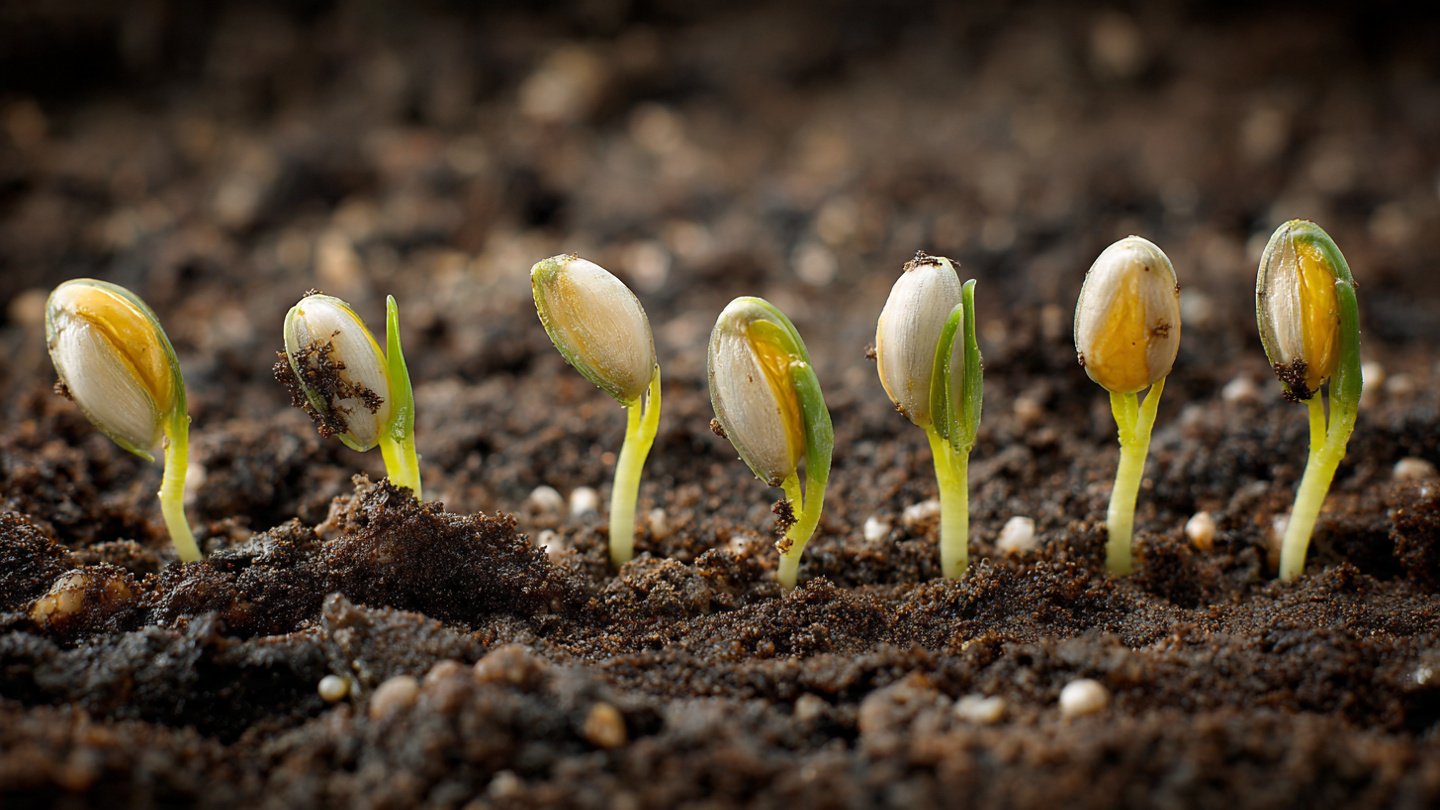
Seed placement is a critical factor that directly influences germination speed and overall plant health. Farmers, gardeners, and horticulturists strive to optimize every aspect of the planting process, including not just the type of seeds used but also their optimal placement in soil. Small errors or negligence in this area can lead to significant consequences affecting the growth potential of plants.
The Importance of Seed Placement
Seeds are living organisms that need specific conditions for successful germination. These conditions typically include moisture, temperature, soil nutrients, and adequate spacing. Correct seed placement allows for healthy root development and minimizes competition among seedlings. Conversely, any errors, such as incorrect depth, spacing, or angle, can hinder germination processes.
Types of Seed Placement Errors
- Depth Errors: Planting seeds too deep or too shallow can dramatically affect germination speed. Different seeds have different requirements for planting depth. For instance, tiny seeds may require little to no cover, while larger seeds benefit from being buried several inches deep.
- Spacing Errors: Proper spacing allows seedlings to access sunlight, nutrients, and water. Crowded plants can lead to stunted growth and enhanced susceptibility to diseases.
- Angle of Placement: Though less commonly considered, the angle at which a seed is planted can influence its root development. Seeds placed at incorrect angles may struggle to right themselves as they grow.
Impact of Seed Placement Errors on Germination Speed
1. Germination Delays
When seeds are sown too deep, they may take weeks longer to germinate compared to seeds placed at appropriate depths. This delay occurs because seedlings expend excessive energy trying to break through the soil surface. Inadequate moisture near the surface can also leave deeply-planted seeds parched, hampering their growth.
2. Uneven Germination Rates
Spacing errors lead to uneven germination rates. For example, if seeds are placed too close together, they compete for resources. Some may thrive while others struggle, leading to an inconsistent stand of plants. This uneven emergence can make it challenging to establish a uniform field, resulting in poor yields.
Effects on Seedling Health
1. Root Development
Seed placement errors can severely impede root development. Roots require specific conditions to grow effectively; errors in depth can lead to shallow root systems that are less capable of accessing essential nutrients and water. This situation makes seedlings weaker and limits their growth potential.
2. Disease Susceptibility
Overcrowded seedlings—common when seeds are improperly spaced—are more susceptible to diseases. When plants grow too close together, they create a humid environment that fosters pathogen growth. Diseases can spread more easily among closely positioned plants, leading to significant losses.
3. Nutrient Competition
Seeds placed too close together compete for nutrients, leading to inadequate nourishment. This ultimately results in weaker plants with stunted growth. When seedlings do not receive the necessary nutrients early in their life, their development can be irreversibly hampered.
Strategies to Minimize Seed Placement Errors
For gardeners and farmers, minimizing seed placement errors involves diligent planning and execution. Here are some strategies:
- Follow Seed Packet Recommendations: Each seed type usually comes with a packet containing details on optimal planting depth and spacing. Adhering to these guidelines can mitigate placement errors.
- Use Seeders: Mechanical seeders can ensure uniform distribution and proper depth, reducing human error.
- Conduct Soil Tests: Understanding soil texture and composition can help determine the ideal depth for seed placement, as different soils retain moisture differently.
- Maintain Proper Watering: After planting, ensure that soil moisture levels are adequate to support germination.
Monitoring Germination and Growth
After planting, monitoring germination and early growth is vital. Take notes on which areas within your planting consider errors and their outcomes. Observing your plants’ growth can provide insights into the impact of your placement techniques. Modify your practices based on what you learn over successive planting seasons.
Conclusion
Seed placement is a critical component in crop management that significantly affects germination speed and seedling health. Errors can lead to delayed germination, uneven plant growth, and increased susceptibility to diseases. By understanding the impacts of various placement errors and applying effective strategies, gardeners and farmers can optimize their planting techniques for healthier, more productive plants. Careful attention to seed placement not only enhances germination rates but also ensures strong growth and better yields.
FAQs
1. How deep should I plant seeds?
The ideal planting depth varies by seed type. Generally, smaller seeds should be sown shallowly, while larger seeds may require deeper placement. Refer to seed packets for specific guidance.
2. What happens if seeds are planted too close to each other?
Seeds that are too close together compete for nutrients, moisture, and sunlight, potentially leading to stunted growth and increased disease susceptibility.
3. Can seed placement errors be corrected after planting?
While it’s challenging to correct placement errors once seeds are sown, careful monitoring can help identify issues. You may consider re-planting if germination fails or seedlings become overly crowded.
4. How can I improve germination rates?
To improve germination rates, ensure proper seed placement, provide adequate moisture, and monitor soil temperature. Additionally, utilizing high-quality seeds can contribute to success.
5. What are the signs of poor seed placement?
Signs include uneven germination, stunted growth, or plants that seem weak or diseased. Regular observation will help detect these issues early.