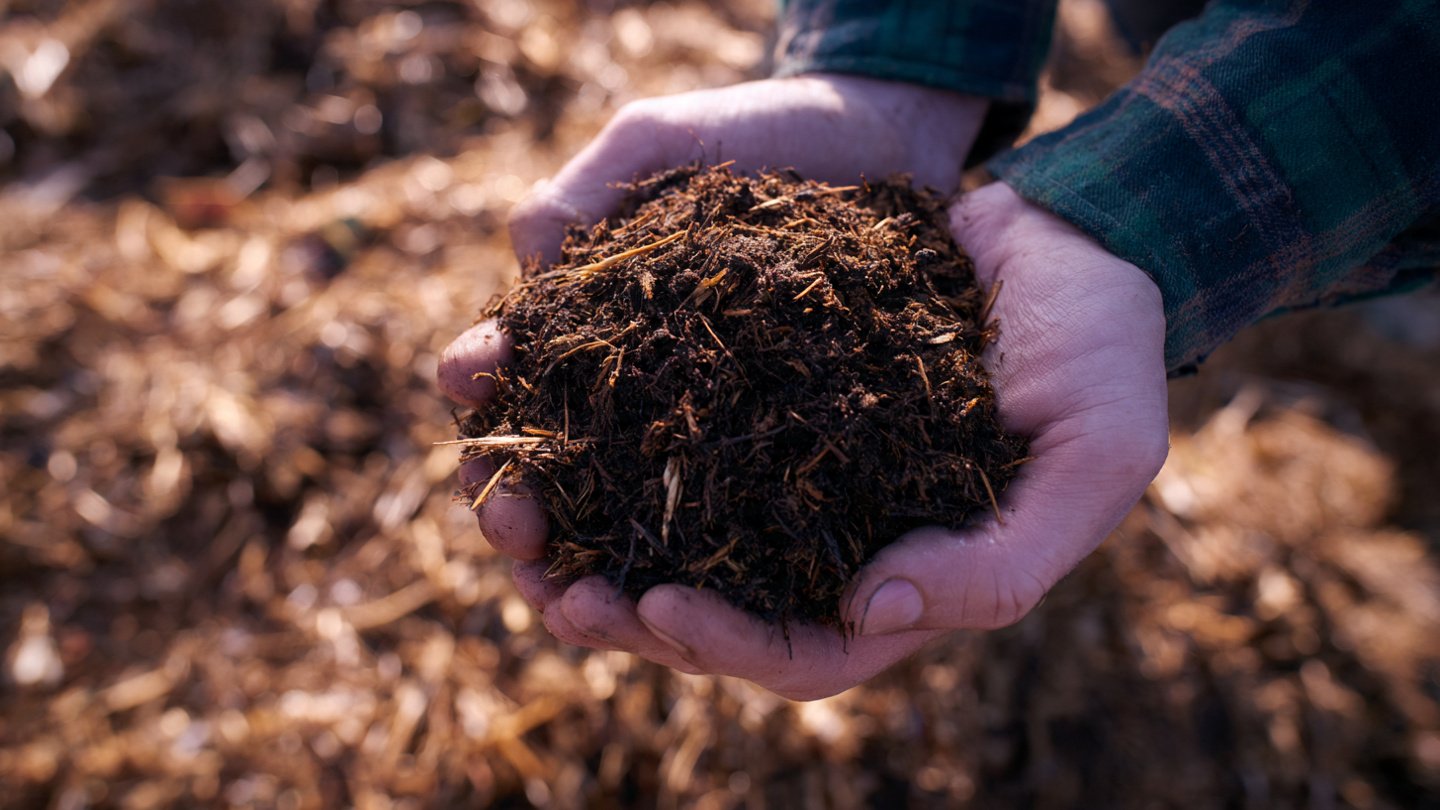
Composting is an essential component of sustainable waste management and soil health improvement. It involves the biological decomposition of organic materials, transforming them into nutrient-rich humus. However, environmental conditions, particularly moisture levels, play a crucial role in compost health and quality. This article explores the impacts of dry conditions on composting, detailing the biological, chemical, and physical aspects of compost health affected by a lack of moisture.
Understanding Compost
Before delving into the effects of dry conditions, it is vital to understand how composting works. Composting is facilitated by microorganisms, fungi, and larger organisms like earthworms. These organisms require specific conditions to thrive, including adequate moisture, temperature, aeration, and suitable carbon-to-nitrogen (C:N) ratios. The ideal moisture content for composting typically ranges between 40% and 60%. When moisture levels fall below this range, several adverse effects may occur.
The Role of Moisture in Composting
Moisture is essential for the metabolic activities of microorganisms that drive composting. Water acts as a solvent, facilitating the breakdown of organic materials and nutrient availability. It also helps in maintaining temperatures within the compost pile, which are crucial for pathogen suppression and pathogen die-off. Furthermore, moisture aids in aeration; when compost is too dry, it can become compacted, limiting air flow and affecting microbial activity.
1. Microbial Activity
Microorganisms are the unsung heroes of composting; they break down complex organic materials into simpler compounds. Dry conditions severely hinder microbial activity.
- Metabolic Slowdown: Inadequate moisture can lead to a significant slowdown in the microbial metabolic processes. Many bacteria are sensitive to water activity, and less moisture means lower enzyme activity. This will slow down the decomposition process and result in incomplete compost.
- Microbial Die-Off: Extended dry conditions can cause some microbial populations to die off entirely, particularly the beneficial thermophilic bacteria that are crucial in the initial stages of composting. This not only slows the composting process but can also lead to imbalances in microbial communities.
2. Temperature Management
Temperature is a critical factor in composting, as it influences the rate of decomposition and pathogen suppression. Moisture content plays a crucial role in temperature regulation.
- Heat Generation: Microbial activity generates heat. In moisture-deficient conditions, the heat generated may cause the compost mass to dry out even further. When the temperature rises excessively without adequate moisture, it can lead to the formation of “hot spots,” which can cause the compost to oxidize and lose valuable nutrients.
- Thermophilic Phase: A healthy compost should ideally reach thermophilic temperatures (between 130°F and 160°F or 54°C to 71°C) which help to further break down pathogens and weed seeds. In dry conditions, maintaining these high temperatures becomes challenging, thereby diminishing the compost’s overall effectiveness.
3. Nutrient Availability and Retention
Moisture is also fundamental for nutrient solubility and retention within the compost pile.
- Nutrient Leaching: In dry compost, essential nutrients, particularly nitrogen, may become immobilized in organic matter and less accessible to plants. When moisture levels are low, plants may not benefit from the nutrients present in the compost, affecting soil fertility.
- C:N Ratio: An adequate carbon to nitrogen ratio (C:N ratio) is crucial for efficient composting. In dry conditions, nitrogen may be more readily lost through volatilization, leading to a skewed C:N ratio. This can hinder further microbial action and decomposition, leading to a less effective compost product.
4. Physical Structure of Compost
Dry conditions can also affect the physical attributes of the compost pile.
- Compaction: When compost becomes too dry, it may compact, leading to poor aeration. Compacted compost can restrict airflow, further impairing microbial activity and slowing the composting process.
- Hydrophobicity: Prolonged dry conditions can create a hydrophobic layer in compost. This makes it difficult for moisture to penetrate the pile, leading to dry patches that inhibit microbial colonization and breakdown of materials.
5. Odor Management
Odors are a natural byproduct of composting, but dry conditions can exacerbate unpleasant smells.
- Ammonia Release: Under dry conditions, nitrogen may be lost as ammonia gas, especially if the compost’s C:N ratio is unbalanced. This can lead to a foul smell that indicates compromised compost quality, deterring people from composting efforts.
- Anaerobic Conditions: If compost becomes compacted due to lack of moisture and airflow, it can create anaerobic conditions. Anaerobic decomposition is slow and often results in the production of sulfur compounds, which produce a putrid odor.
6. Pathogen and Pest Dynamics
Healthy composting processes create conditions that suppress pathogens and pests. However, dry conditions can disrupt this balance.
- Pathogen Resilience: Some pathogens are more likely to survive in dry environments, making it easier for them to persist in compost that has not maintained adequate moisture. This can pose risks when spreading compost onto gardens and agricultural fields.
- Pest Attraction: Inadequate moisture can make compost dry and less appealing to beneficial organisms like earthworms, while potentially attracting pests that prefer drier conditions or the odor produced by stalled decomposition.
7. Reassessment of Composting Strategies
Understanding the impacts of dry conditions on compost health and quality can lead to strategic adjustments in composting practices.
- Monitoring Moisture Levels: Regularly checking compost moisture can prevent issues. If it drops below the optimal range, measures should be taken to rehydrate the compost pile effectively.
- Irrigation Techniques: During prolonged dry spells, it may be necessary to irrigate compost piles. Techniques such as misting or using soaker hoses can help maintain suitable moisture levels without oversaturating the pile.
- Material Selection: Certain materials retain moisture better than others. Incorporating materials like green waste or adding water-retaining agents can help balance moisture levels.
8. Benefits of Maintaining Optimal Moisture Levels
Achieving the right moisture balance in composting processes offers numerous benefits.
- Enhanced Decomposition: Optimal moisture promotes effective microbial activity, enhancing decomposition rates and resulting in a more homogenous and nutrient-rich compost product.
- Improved Plant Growth: Quality compost provides essential nutrients and improves soil structure, enhancing water retention and aeration, consequently benefiting plant growth.
- Sustainability and Waste Reduction: Efficient composting practices reduce the amount of organic waste sent to landfills, contributing to a more sustainable environment.
Conclusion
The health and quality of compost are profoundly influenced by moisture levels. Dry conditions can hinder microbial activity, create physical and nutritional imbalances, produce unpleasant odors, and facilitate pathogen survival. To ensure successful composting, it is essential to monitor moisture levels actively and implement strategies that maintain an optimal environment. By doing so, individuals and communities can create high-quality compost that enriches soil, fosters plant growth, and supports sustainable waste management practices. The collective effort to maintain compost health under varying environmental conditions ultimately contributes to a healthier planet.