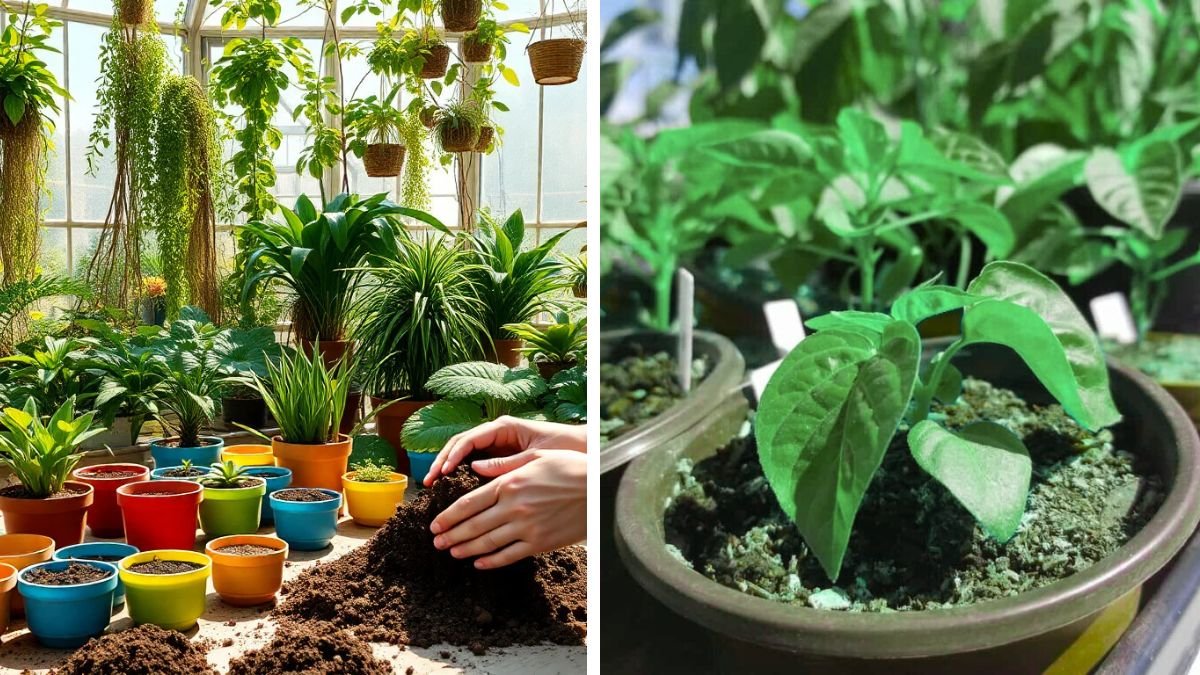
Introduction: Why Gravel and Water Growing Is Gaining Popularity
Mixing gravel and water to grow plants is becoming a popular method among modern gardeners who want faster growth with minimal effort. This technique uses simple materials that are easily available and affordable for most households. It removes the dependency on soil, which often brings pests and diseases. The gravel acts as a stable support system for plant roots while water delivers nutrients directly. This method is ideal for balconies, rooftops, and indoor gardening spaces. It also helps save water compared to traditional soil gardening. Many vegetables and herbs thrive exceptionally well using this approach. Because of its simplicity and efficiency, this method is now widely used in urban gardening.
What Is Gravel and Water Gardening?
Gravel and water gardening is a simplified hydroponic technique where plants grow without soil. Instead of soil, clean gravel is used to anchor the roots firmly in place. Water enriched with nutrients flows through the gravel and feeds the plant roots directly. This system allows roots to breathe better and absorb nutrients faster. It also prevents soil-borne diseases and fungal infections. Since there is no soil compaction, roots grow stronger and healthier. This method is easy to maintain even for beginners. It works well for leafy greens, herbs, and some fruiting plants.
Why Gravel Works Better Than Soil in Many Cases
Gravel provides excellent drainage, which prevents waterlogging and root rot. Unlike soil, gravel does not break down or compact over time. This keeps oxygen flowing freely around the root zone. Gravel also stays clean and does not harbor pests like soil does. It is reusable and easy to sterilize between planting cycles. Because it contains no nutrients of its own, you can control plant feeding precisely. This leads to faster and more uniform growth. Many gardeners find plants grown in gravel are healthier and more productive.
Materials Required for Gravel and Water Growing
To start this method, only a few basic materials are needed. You will need clean gravel, preferably pea gravel or aquarium gravel. A container with drainage holes or a hydroponic tray is essential. You also need clean water and a liquid nutrient solution. Seedlings or cuttings suitable for water-based growing are required. A small net pot or mesh cup helps hold plants upright. Optional items include an air pump for oxygenation. All these materials are affordable and easy to source.
Step-by-Step Setup Process
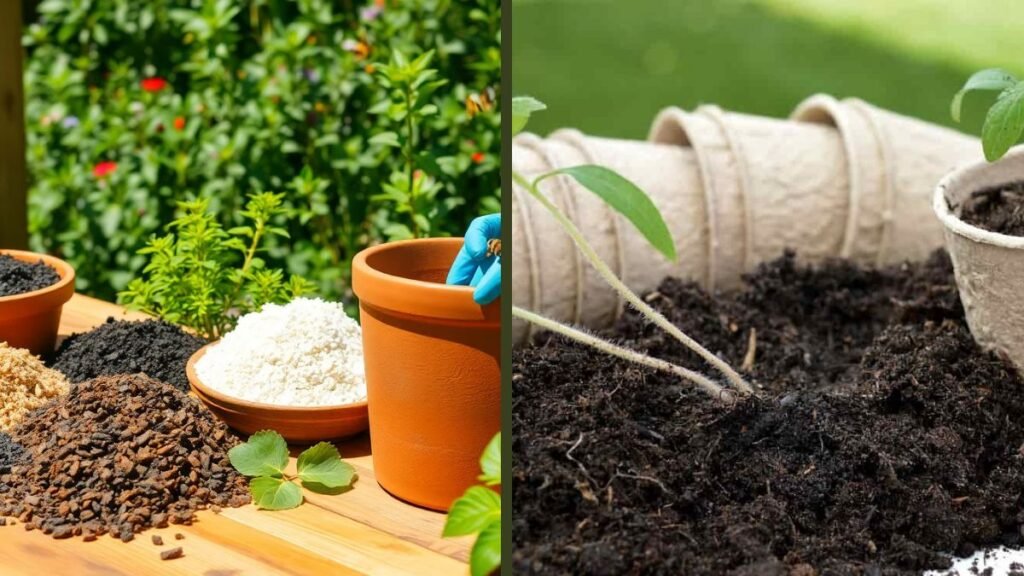
Begin by washing the gravel thoroughly to remove dust and impurities. Place the gravel into your container, filling it about three-quarters full. Insert the seedling gently, ensuring roots are well spread within the gravel. Pour nutrient-mixed water until it reaches just below the plant stem. Make sure roots are in contact with moisture but stems stay dry. Place the container in a bright area with indirect sunlight. Monitor water levels daily and top up as needed. Within days, plants start showing rapid growth.
Best Plants for Gravel and Water Method
Not all plants grow equally well using this technique, but many do extremely well. Leafy greens like spinach, lettuce, and kale are perfect choices. Herbs such as mint, basil, coriander, and parsley grow fast in gravel systems. Some fruiting plants like tomatoes and chilies can also adapt. Root vegetables are generally not suitable for this method. Plants with fibrous roots perform better than those with taproots. Choosing the right plant ensures higher success. Beginners should start with leafy vegetables.
Nutrient Management in Gravel Growing
Since gravel contains no nutrients, feeding plants properly is crucial. A balanced liquid hydroponic nutrient solution works best. Nutrients should be mixed according to the plant’s growth stage. Overfeeding can cause nutrient burn, so correct dosage is important. Water should be replaced or refreshed every 7 to 10 days. Monitoring plant color helps detect deficiencies early. Yellowing leaves may indicate nitrogen deficiency. Proper nutrient management ensures healthy and fast plant growth.
Water Quality and Maintenance Tips
Clean water is essential for successful gravel gardening. Use filtered or rested tap water to reduce chlorine content. Maintain a stable water level to avoid drying roots. Changing water regularly prevents algae buildup. If algae appear, reduce light exposure to the water surface. Clean containers and gravel between planting cycles. Aerating the water improves oxygen availability. Healthy water equals healthy plants.
Advantages Over Traditional Soil Gardening
This method offers many advantages compared to soil gardening. It eliminates weeds completely. Pest and disease issues are significantly reduced. Growth rates are faster due to direct nutrient access. Water usage is more efficient and controlled. Maintenance is cleaner and less messy. Harvesting becomes easier and cleaner. It is ideal for people with limited space. Overall productivity increases with less effort.
Common Mistakes and How to Avoid Them
One common mistake is using unwashed gravel, which can block roots. Overfilling water can cause stem rot. Using incorrect nutrient concentrations can damage plants. Placing plants in direct harsh sunlight can stress them. Ignoring water changes leads to nutrient imbalance. Choosing unsuitable plants results in poor growth. Neglecting oxygen supply may weaken roots. Avoiding these mistakes ensures success.
Table: Gravel and Water Growing Essentials
| Component | Purpose | Best Option |
|---|---|---|
| Gravel | Root support | Pea gravel |
| Water | Nutrient carrier | Filtered water |
| Nutrients | Plant feeding | Hydroponic mix |
| Container | Plant housing | Plastic tub |
| Plants | Crop selection | Leafy greens |
Is This Method Suitable for Beginners?
Yes, this is one of the easiest growing methods for beginners. It requires minimal tools and technical knowledge. There is no soil preparation involved. Problems are easier to identify and fix. Growth results are visible quickly, boosting confidence. It is perfect for first-time gardeners. With basic care, anyone can succeed. This method encourages sustainable home gardening.
Environmental Benefits of Gravel Growing
Gravel and water growing uses less water than traditional farming. It reduces soil erosion and land degradation. Reusable materials minimize waste. No chemical pesticides are required. It supports sustainable urban food production. Less fertilizer runoff protects water bodies. This method aligns with eco-friendly gardening goals. It promotes cleaner and greener living.
Scaling Up for Bigger Production
Once comfortable, gardeners can expand this system easily. Larger containers or trays can be used. Multiple plants can grow in one setup. Drip systems can automate watering. Nutrient tanks simplify feeding. Vertical setups maximize space usage. This method suits rooftop gardens well. Scaling up increases food production significantly.
Harvesting and Replanting Cycle
Harvesting is easy because roots are clean. Leafy greens can be harvested multiple times. After harvesting, gravel can be reused. Roots are removed and gravel cleaned. New seedlings can be planted immediately. This short cycle allows continuous production. Faster turnover means more harvests. Productivity remains high year-round.
Final Thoughts on Gravel and Water Gardening
Mixing gravel and water is a smart, modern gardening solution. It saves space, time, and water. Plants grow faster and healthier. Maintenance is simple and clean. Beginners and experts alike benefit from this method. It is ideal for urban lifestyles. With proper care, results are impressive. This technique represents the future of home gardening.