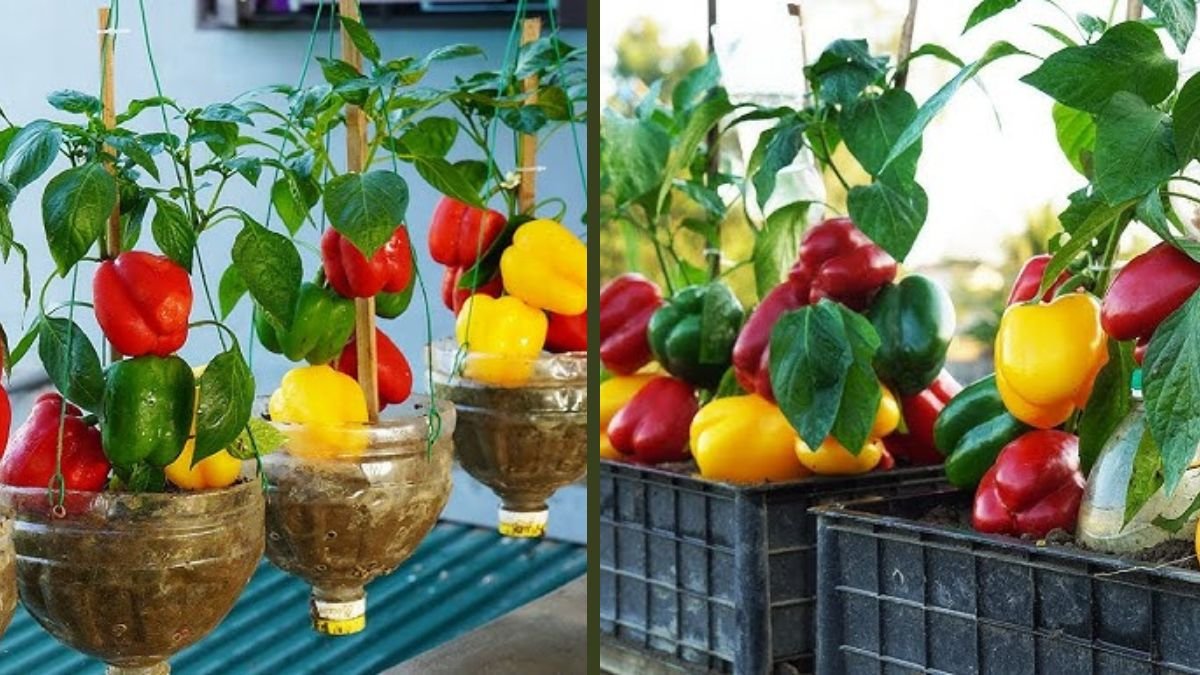
Introduction: Balcony Bell Pepper Gardening Made Simple
Bell peppers are colorful, sweet, and packed with vitamins, making them a favorite vegetable worldwide. Many people believe bell peppers require large gardens or farmland. In reality, they grow exceptionally well on balconies using containers. With proper sunlight, soil, and care, balcony-grown bell peppers can be just as productive. This US-based style guide focuses on simple, practical steps. Even beginners can enjoy fresh peppers at home. Balcony gardening saves space and money. This article explains everything step by step. With patience and consistency, success is guaranteed.
Understanding Bell Pepper Plant Growth
Bell pepper plants are compact and bushy. They grow upright with strong stems. Flowers develop at branch joints and later turn into fruits. The plant prefers warm temperatures and good airflow. Roots need loose, well-drained soil. Understanding growth stages helps manage watering and feeding. Healthy plants produce multiple peppers. Even in containers, growth is vigorous. Knowledge of the plant builds confidence.
Choosing the Right Bell Pepper Variety
Select compact or dwarf bell pepper varieties for balconies. Varieties bred for containers perform best. Choose disease-resistant seeds for better success. Sweet bell peppers adapt well to pots. Red, yellow, and green varieties all grow similarly. Local or US-recommended varieties are reliable. Seed quality impacts fruit size and yield. Beginners should start with proven types.
Selecting the Best Pots for Balcony Use
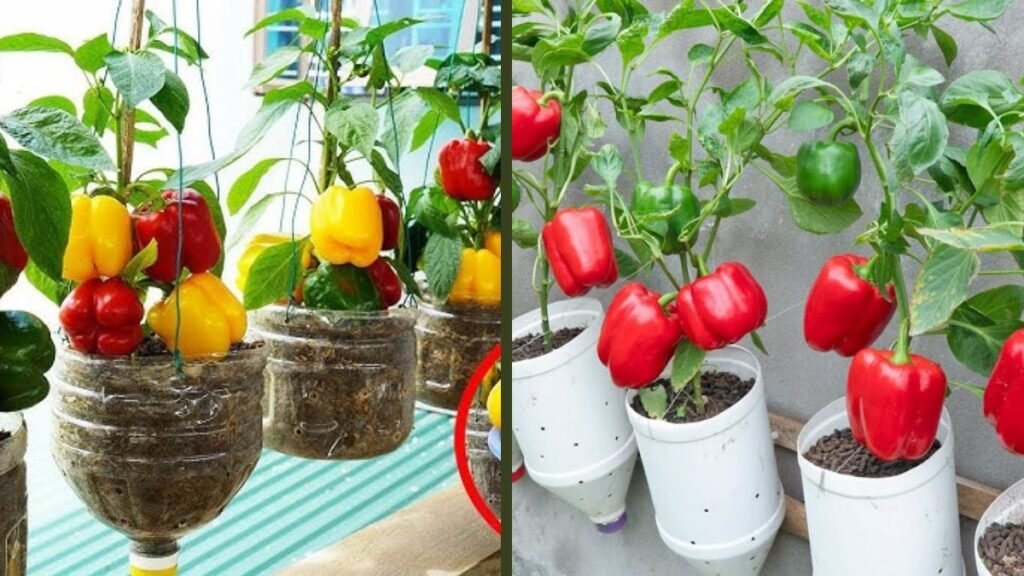
Choose pots that are deep and wide enough. Each plant needs space for roots to expand. Pots must have drainage holes. Plastic or fabric grow bags work well. Dark-colored pots retain warmth. Lightweight pots are easier to move. Proper container size increases yield. Good pots prevent root stress.
Preparing the Ideal Soil Mix
Bell peppers require rich, loose soil. Mix garden soil, compost, and cocopeat. Soil must drain well but retain moisture. Organic matter improves nutrient availability. Avoid heavy clay soil in pots. Healthy soil supports strong root systems. Soil quality directly affects fruit production. Good preparation ensures success.
Seed Germination and Seedling Care
Start seeds in small trays or cups. Keep soil moist but not wet. Germination usually occurs within ten days. Provide warmth and light. Healthy seedlings grow sturdy stems. Avoid overcrowding seedlings. Proper care at this stage is crucial. Strong seedlings lead to better harvests.
Transplanting Seedlings to Balcony Pots
Transplant when seedlings are several inches tall. Handle roots gently to avoid damage. Plant one seedling per pot. Water immediately after transplanting. Protect from strong sun for one day. Correct transplanting reduces shock. Healthy plants establish quickly. Early care improves yield.
Sunlight Requirements on Balconies
Bell peppers need full sunlight. At least six to eight hours daily is ideal. Place pots in the sunniest area. Rotate pots if sunlight is uneven. Good sunlight improves flowering. Insufficient light reduces fruiting. Balcony orientation matters. Sunlight drives sweetness and color.
Watering Bell Peppers Properly
Water regularly but avoid waterlogging. Let the topsoil dry slightly before watering again. Morning watering is best. Mulching helps retain moisture. Consistent watering prevents flower drop. Overwatering causes root rot. Balanced moisture ensures healthy growth. Proper watering improves fruit size.
Fertilizing for Continuous Fruiting
Bell peppers are moderate feeders. Use compost or vermicompost every two weeks. Avoid excess nitrogen. Balanced nutrients support flowers and fruits. Liquid compost tea works well. Organic feeding improves soil health. Regular feeding increases yield. Healthy nutrition improves taste.
Supporting the Plants
As plants grow, stems may bend. Use small stakes for support. Tie gently with soft material. Support prevents breakage. Upright plants get better airflow. Strong stems hold heavy fruits. Simple support increases productivity. This step is often overlooked.
Flowering and Pollination Tips
Bell pepper flowers are self-pollinating. Gentle wind helps pollination. Lightly shaking plants improves fruit set. Avoid spraying during flowering. Healthy flowers lead to peppers. Temperature affects pollination success. Care during flowering is important. Observation improves results.
Managing Pests Naturally
Common pests include aphids and mites. Neem oil spray controls pests safely. Hand removal is effective early. Healthy plants resist infestations. Avoid chemical pesticides. Regular inspection prevents damage. Organic pest control is balcony-friendly. Simple care keeps plants safe.
Preventing Common Diseases
Good airflow prevents fungal diseases. Avoid wetting leaves frequently. Remove infected leaves immediately. Use clean pots and soil. Crop rotation helps in containers. Healthy plants resist diseases. Prevention saves effort. Clean practices ensure long-term success.
Fruit Development and Care
Fruits appear soon after flowering. Maintain consistent care. Avoid stress during fruiting. Support heavy fruits if needed. Harvest regularly to encourage more growth. Balanced care improves size and color. Patience brings better flavor. Gentle handling protects plants.
Harvesting Bell Peppers Correctly
Harvest when peppers reach desired color. Use scissors or knife. Avoid pulling fruits. Morning harvest keeps freshness. Frequent harvesting increases yield. Proper timing improves sweetness. Handle fruits gently. Correct harvesting prolongs plant life.
Post-Harvest Handling
Wash peppers gently if needed. Store in cool place. Avoid stacking to prevent bruising. Fresh peppers last longer. Homegrown peppers taste better. Proper handling preserves nutrients. Safe storage maintains quality. Enjoy fresh harvests.
Comparison Table: Balcony vs Ground Bell Peppers
| Aspect | Balcony Pots | Ground Garden |
|---|---|---|
| Space | Small | Large |
| Soil control | Full | Limited |
| Pest control | Easy | Moderate |
| Water use | Efficient | Higher |
| Yield | High per plant | High |
Benefits of Balcony Bell Pepper Gardening
Fresh vegetables at home. Saves money. Perfect for urban living. Beginner-friendly. Organic and safe food. Uses unused space. Encourages healthy eating. Gardening reduces stress.
Conclusion
Growing bell peppers on a balcony is easy and rewarding. With proper pots, soil, sunlight, and care, anyone can enjoy colorful, delicious peppers at home. This method suits beginners and experienced gardeners alike. Small spaces can produce big results with consistency and patience.