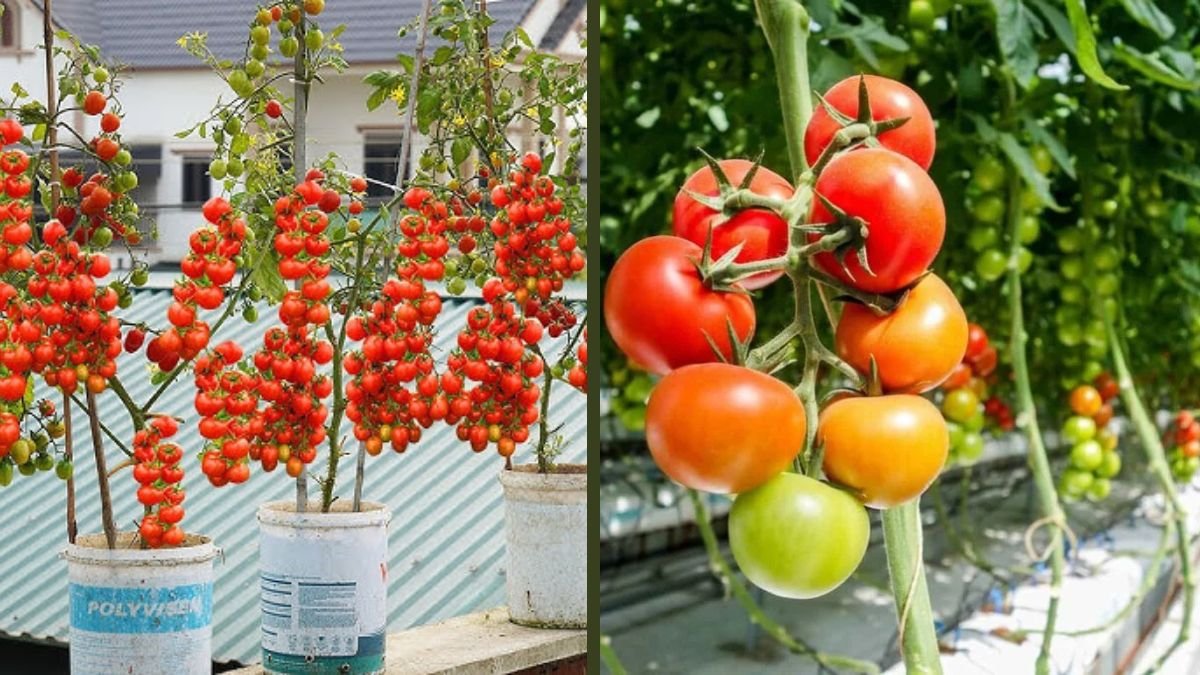
Introduction to Vertical Bottle Tomato Gardening
Tomatoes are one of the most popular homegrown vegetables. Vertical bottle gardening allows high yield even in small spaces. This method uses recycled plastic bottles creatively. Vertical systems improve airflow and sunlight exposure. Tomatoes thrive when grown upward. Bottle gardens reduce soil usage and pest problems. This technique is ideal for balconies and walls. With proper care, vertical bottles can produce abundant tomatoes.
Why Vertical Bottle Gardening Works
Vertical growth saves ground space. Bottles maintain controlled root zones. Better airflow reduces disease. Sunlight reaches all leaves evenly. Water usage becomes efficient. Vertical systems are easy to maintain. Harvesting becomes convenient. This method increases yield per square foot.
Choosing the Right Tomato Variety
Cherry and determinate tomatoes are ideal. Compact varieties grow well vertically. Avoid large indeterminate types. Disease-resistant seeds improve success. Fruit size remains uniform. Proper variety selection ensures productivity. Vertical growth suits lightweight fruits. Choose varieties suitable for containers.
Preparing Plastic Bottles
Use large plastic bottles. Cut openings for planting. Create drainage holes at the bottom. Clean bottles thoroughly. Arrange bottles vertically on frames or walls. Secure them firmly. Proper preparation ensures root health. Bottle setup determines plant stability.
Soil Mix for Bottle Tomatoes
Use light, nutrient-rich soil. Mix compost, cocopeat, and garden soil. Add vermicompost for nutrition. Soil must drain well. Avoid heavy soil. Good soil supports root growth. Balanced soil improves flowering. Soil quality affects fruit size.
Seedling Transplanting
Start seedlings separately. Transplant when they have four leaves. Handle roots gently. Place seedlings deep to strengthen stems. Water lightly after planting. Proper transplanting reduces shock. Healthy seedlings grow faster. Strong roots increase yield.
Sunlight Requirements
Tomatoes need six to eight hours of sunlight. Place bottles facing sunlight. Rotate if needed. Insufficient light reduces fruiting. Sunlight affects sweetness. Vertical placement improves exposure. Light management is critical for yield.
Watering in Vertical Bottles
Water regularly but lightly. Avoid waterlogging. Vertical bottles drain faster. Use drip or hand watering. Morning watering is best. Consistent moisture prevents blossom drop. Balanced watering improves fruit quality.
Fertilization Schedule
Tomatoes are heavy feeders. Apply organic fertilizer every two weeks. Use compost tea or liquid manure. Avoid excess nitrogen. Potassium boosts fruiting. Balanced feeding ensures continuous harvest. Nutrition management is essential.
Supporting Tomato Plants
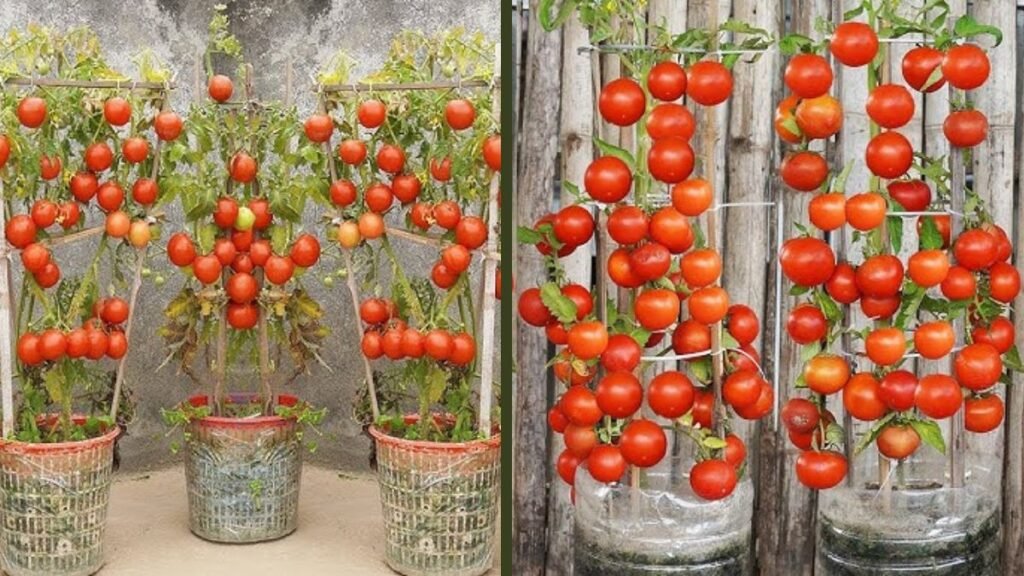
Use strings or stakes for support. Tie stems gently. Vertical support prevents breakage. Proper support improves airflow. Fruits remain clean and healthy. Support increases plant lifespan. Strong support maximizes yield.
Pruning for High Yield
Remove side shoots regularly. Focus energy on fruit production. Pruning improves airflow. Reduces disease risk. Controls plant size. Proper pruning increases fruit number. Healthy plants produce better tomatoes.
Pollination Tips
Gently shake plants daily. This helps pollination. Bees assist outdoor setups. Hand pollination increases fruit set. Early morning is best. Proper pollination ensures uniform fruits. Improves yield consistency.
Pest and Disease Control
Common pests include aphids and mites. Neem oil works effectively. Remove infected leaves. Maintain cleanliness. Good airflow prevents diseases. Early detection saves plants. Organic control protects harvest quality.
Harvesting Tomatoes
Harvest when fruits are firm and colored. Use scissors to avoid damage. Regular harvesting promotes more fruits. Avoid overripe tomatoes. Morning harvest improves freshness. Timely picking increases productivity.
Post-Harvest Handling
Store tomatoes at room temperature. Avoid refrigeration. Handle gently. Wash before use. Proper storage preserves flavor. Homegrown tomatoes last longer. Post-harvest care maintains quality.
Tomato Growth Monitoring Table
| Factor | Ideal Practice | Benefit |
|---|---|---|
| Soil | Light and fertile | Strong roots |
| Water | Regular and balanced | Prevent fruit drop |
| Sunlight | Full sunlight | Sweet tomatoes |
| Support | Vertical staking | High yield |
Advantages of Bottle Gardening
Uses recycled materials. Saves space and water. Low maintenance. Reduces pests. Ideal for urban homes. Easy harvesting. Cost-effective gardening. Promotes sustainability.
Seasonal Growing Tips
Grow tomatoes in warm seasons. Protect from heavy rain. Adjust watering in summer. Use shade nets if needed. Seasonal planning improves yield. Climate awareness ensures success.
Common Mistakes to Avoid
Overwatering causes root rot. Lack of support breaks stems. Excess nitrogen reduces fruiting. Poor sunlight lowers yield. Avoid overcrowding. Correct mistakes early. Proper care ensures success.
Maximizing Yield in Small Spaces
Use multiple bottle rows. Maintain nutrition. Prune regularly. Ensure sunlight. Monitor daily. Small spaces can produce big harvests. Vertical gardening multiplies productivity.
Final Conclusion
Vertical bottle gardening is an innovative and productive way to grow tomatoes at home. With proper planning, soil, watering, and care, this method delivers high yields in limited spaces. It promotes recycling, sustainability, and fresh food production. Anyone can enjoy abundant homegrown tomatoes using this simple technique.