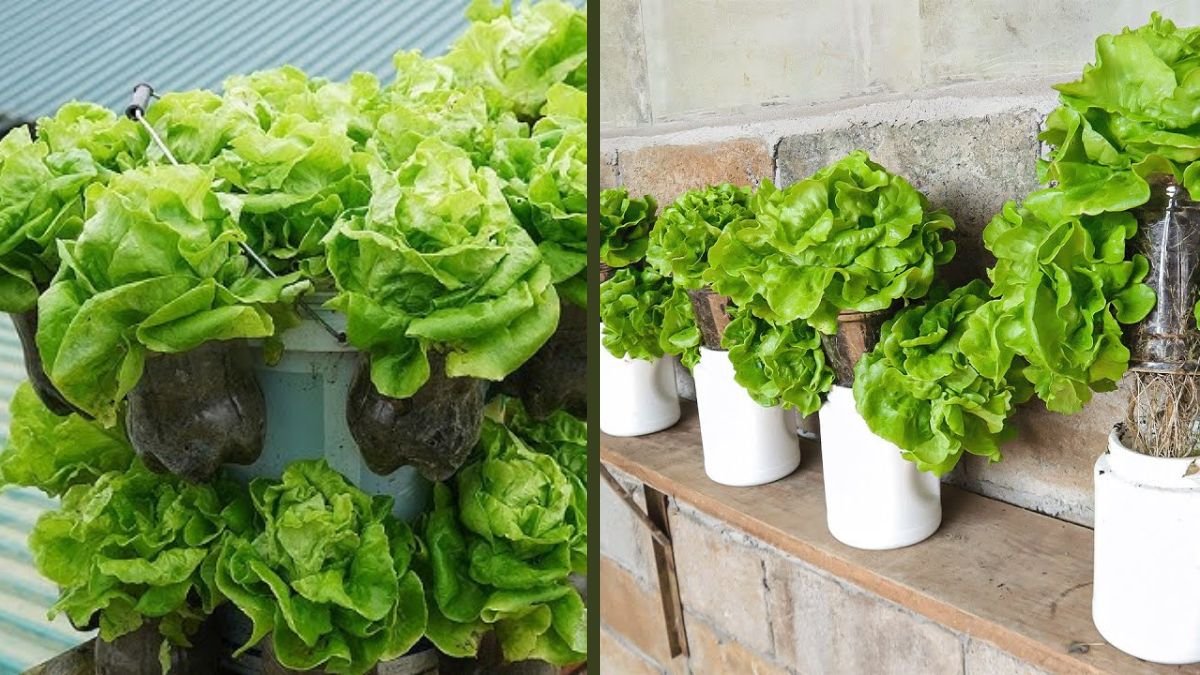
Introduction to Growing Lettuce in Plastic Tubs
Growing lettuce at home is one of the easiest and most rewarding gardening experiences. Lettuce grows fast, requires little space, and thrives in containers. Plastic tubs are inexpensive, reusable, and ideal for urban gardeners. This method is perfect for balconies, rooftops, and small backyards. With the right soil mix and watering routine, lettuce grows tender and crisp. Container gardening allows better control over pests and nutrients. Plastic tubs also maintain moisture efficiently. This guide explains how to grow healthy, high-yield lettuce step by step at home.
Why Plastic Tubs Are Ideal for Lettuce
Plastic tubs retain moisture better than clay pots. They are lightweight and easy to move. Drainage holes can be customized easily. Plastic does not absorb nutrients, keeping fertilizer available for plants. These tubs are perfect for shallow-rooted crops like lettuce. They help maintain consistent soil temperature. Old tubs can be recycled sustainably. Using plastic tubs reduces gardening costs significantly while increasing success rates.
Choosing the Best Lettuce Varieties
Loose-leaf lettuce varieties are best for containers. Romaine, Butterhead, and Oakleaf grow well in tubs. Avoid iceberg lettuce, which needs more space. Fast-growing varieties allow multiple harvests. Disease-resistant seeds improve success. Choose heat-tolerant varieties for warmer climates. Seed selection affects taste, texture, and yield. Proper variety choice ensures continuous harvesting from one tub.
Preparing Plastic Tubs for Planting
Clean tubs thoroughly before use. Drill multiple drainage holes at the bottom. Place gravel or broken bricks to improve drainage. Use tubs at least six inches deep. Ensure proper spacing for air circulation. Position tubs where sunlight is available. Prepared containers reduce root rot risks. Proper setup is the foundation of healthy lettuce growth.
Best Soil Mix for Crisp Lettuce
Use loose, well-drained soil. Mix garden soil, compost, and cocopeat. Add vermicompost for nutrients. Avoid compact or clay soil. Soil should retain moisture without waterlogging. Healthy soil improves leaf texture and sweetness. Good soil prevents bitter taste. Soil quality directly affects yield and freshness.
Sowing Lettuce Seeds Correctly
Sow seeds shallowly on moist soil. Do not bury seeds deeply. Space seeds evenly to avoid overcrowding. Cover lightly with soil or cocopeat. Mist water gently after sowing. Germination occurs within five to seven days. Thin seedlings after emergence. Proper sowing ensures strong, uniform plants.
Watering Schedule for Lettuce
Lettuce needs consistent moisture. Water lightly but frequently. Avoid drying out the soil. Morning watering is ideal. Overwatering causes root rot. Mulching helps retain moisture. Even watering keeps leaves crisp. Balanced moisture prevents bitterness in lettuce leaves.
Sunlight Requirements
Lettuce grows best in partial sunlight. Four to six hours of light is enough. Excess heat can cause bolting. Shade during afternoon heat is beneficial. Rotate tubs for even light exposure. Sunlight affects leaf color and taste. Proper light ensures tender, healthy leaves.
Fertilizing Lettuce Naturally
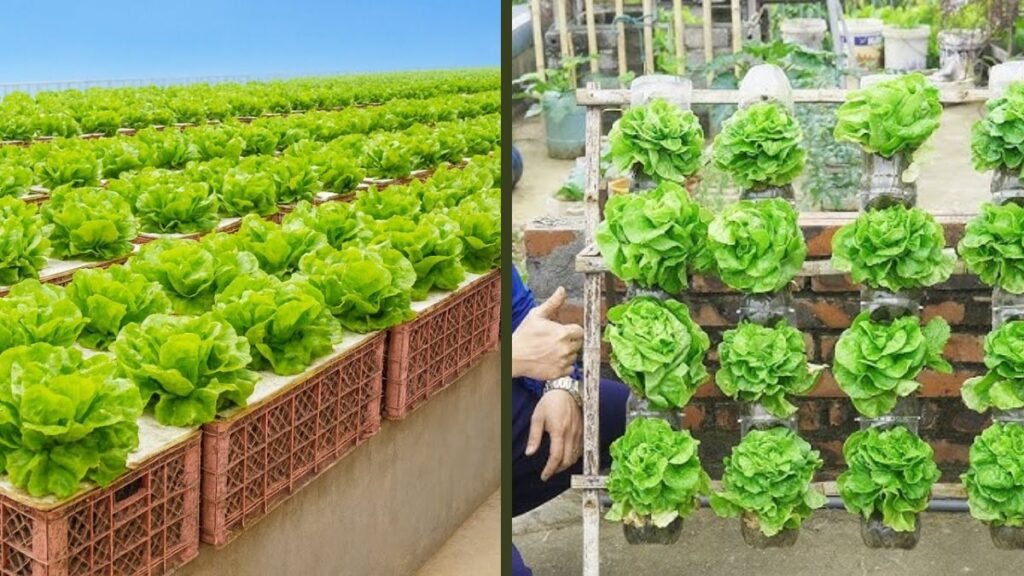
Use organic fertilizers only. Compost tea and vermicompost work best. Avoid chemical fertilizers. Apply liquid feed every ten days. Nitrogen helps leafy growth. Balanced nutrients increase yield. Overfertilizing reduces taste quality. Gentle feeding keeps plants healthy.
Spacing and Thinning
Overcrowding reduces airflow. Thin seedlings when they reach two inches. Maintain proper spacing between plants. This allows leaves to expand fully. Thinning improves leaf size and texture. Proper spacing prevents fungal diseases. Healthy spacing leads to better harvests.
Pest Prevention in Containers
Lettuce pests include aphids and snails. Neem oil spray works effectively. Handpick visible pests. Keep soil surface clean. Avoid water stagnation. Healthy plants resist pests naturally. Container gardening reduces pest pressure. Regular inspection prevents damage.
Harvesting Lettuce the Right Way
Harvest outer leaves first. Cut leaves with clean scissors. Do not uproot the entire plant. Regular harvesting encourages regrowth. Harvest in early morning for crisp leaves. Avoid over-mature leaves. Proper harvesting extends plant life. Fresh harvesting improves taste.
Multiple Harvest Technique
Lettuce allows cut-and-come-again harvesting. Harvest every seven to ten days. Leave the center intact. Plants continue producing leaves. This method increases yield per tub. Proper nutrition supports regrowth. Multiple harvests save time and effort.
Seasonal Care Tips
Grow lettuce in cooler seasons. Protect from extreme heat. Use shade nets in summer. Reduce watering during rainy season. Seasonal adjustment improves growth. Climate awareness prevents bolting. Timing plays a major role in success.
Common Mistakes to Avoid
Overwatering causes root diseases. Too much sun causes bitterness. Poor drainage kills roots. Overcrowding reduces yield. Ignoring pests damages leaves. Avoid these mistakes for success. Awareness improves productivity. Simple care ensures healthy plants.
Benefits of Growing Lettuce at Home
Fresh lettuce is chemical-free. Homegrown leaves taste better. Saves grocery expenses. Promotes healthy eating. Gardening reduces stress. Easy for beginners. Sustainable food production at home. Ideal for urban lifestyles.
Lettuce Growth Monitoring Table
| Factor | Ideal Condition | Result |
|---|---|---|
| Soil | Loose and fertile | Crisp leaves |
| Water | Consistent moisture | Fast growth |
| Sunlight | Partial sunlight | Sweet taste |
| Fertilizer | Organic compost | High yield |
Sustainable Container Gardening
Plastic tubs reduce waste. Reusing containers helps the environment. Less water is required. Organic inputs improve soil health. Sustainable gardening supports eco-friendly living. Small actions create big impact. Lettuce tubs promote green habits. Urban sustainability starts at home.
Final Conclusion
Growing lettuce in plastic tubs is easy, affordable, and highly productive. With proper soil, watering, sunlight, and care, anyone can harvest fresh lettuce regularly. This method is ideal for beginners and urban gardeners. Plastic tubs make gardening accessible and sustainable. With minimal effort, you can enjoy crisp, homegrown lettuce year-round.