Introduction: Why Vertical Sweet Potato Growing Is Revolutionary
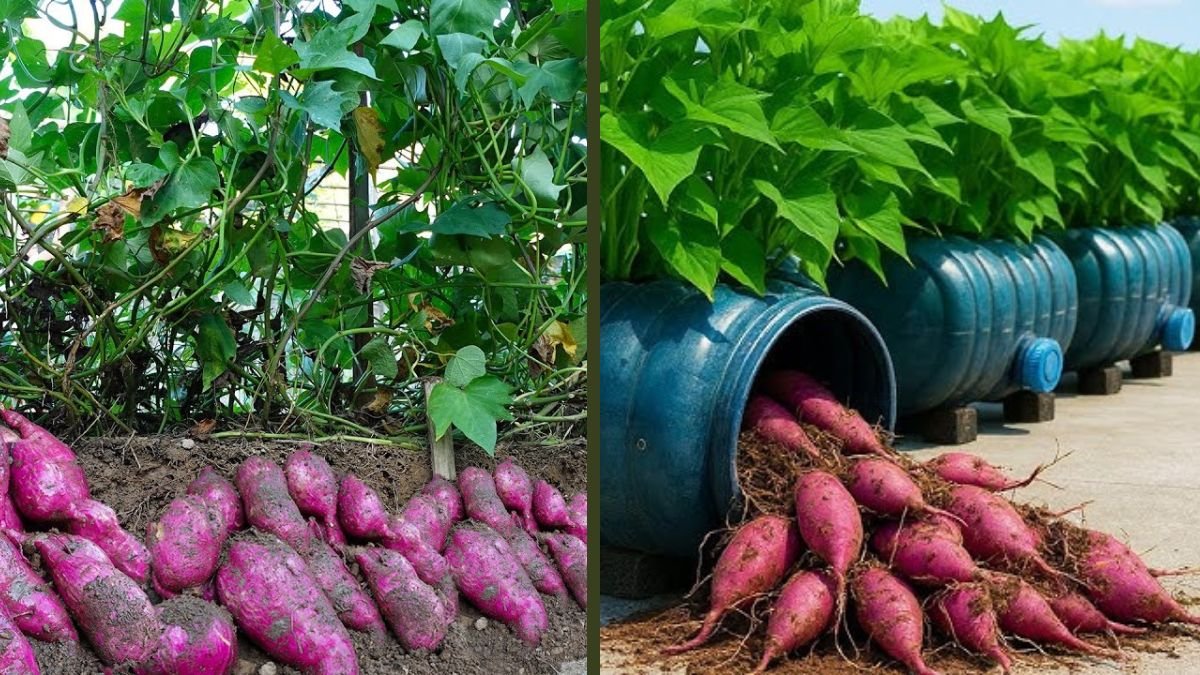
Sweet potatoes are traditionally grown by spreading vines across large ground areas, which limits gardeners with small spaces. Many people assume sweet potatoes cannot be grown vertically, but this belief is outdated. A revolutionary vertical growing technique allows gardeners to grow sweet potatoes upward while still producing large underground tubers. This method saves space, improves airflow, and makes garden management easier. Vertical growing also reduces pest pressure and soil disease problems. With proper planning, even balconies and terraces can produce impressive harvests. This guide explains the complete vertical method in detail. Once understood, it changes how sweet potatoes are grown forever.
Understanding How Sweet Potatoes Form Tubers
Sweet potatoes grow tubers from underground nodes connected to vines. These tubers require loose soil, warmth, and consistent nutrition. The vines above ground act as energy factories through photosynthesis. When vines are healthy, energy moves downward to form tubers. Vertical growing focuses on managing vines upward while keeping tuber zones protected below. Tubers do not grow on hanging vines but in soil-filled containers or beds. Understanding this separation is critical. Once gardeners understand this biology, vertical growing becomes logical and effective.
Choosing The Right Sweet Potato Variety
Not all sweet potato varieties respond equally to vertical systems. Vigorous vining varieties perform best. Choose varieties known for strong vine growth and large tuber formation. Local climate-adapted varieties always perform better. Avoid weak or dwarf types. Healthy varieties produce long vines that are easy to train vertically. Strong genetics ensure good yield even in containers. Seed quality plays a major role in success. Proper variety selection sets the foundation for this technique.
Preparing Slips For Vertical Growth
Sweet potatoes are grown using slips rather than seeds. Select healthy tubers and sprout them in warm conditions. Slips should be strong, green, and disease-free. Allow slips to develop roots before planting. Strong slips adapt better to vertical systems. Weak slips struggle to establish. Preparing quality slips improves survival rate. This step determines early success. Healthy slips grow faster and support higher yields.
Container And Support System Design
Vertical sweet potato growing requires both containers and supports. Containers hold the soil where tubers form. Supports guide vines upward. Use deep containers filled with loose soil. Install trellises, poles, or vertical nets nearby. Supports must be strong enough to handle heavy vines. This system separates vine growth from tuber development. Proper design ensures stability and productivity. Good setup reduces future maintenance.
Soil Preparation For Maximum Tuber Expansion
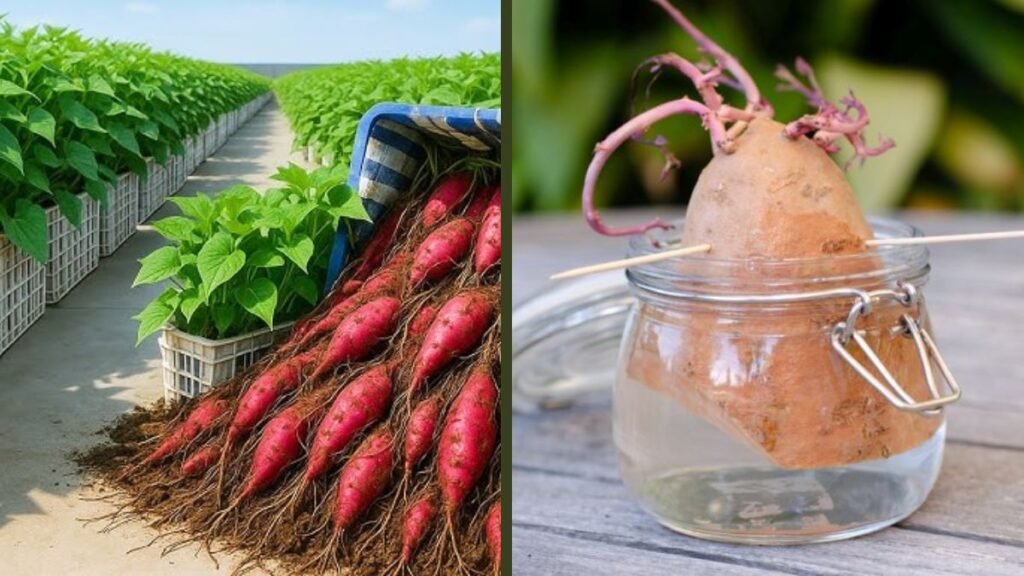
Loose, well-draining soil is essential for large tubers. Mix garden soil with compost and sand. Avoid compacted or clay-heavy soil. Organic matter improves structure and fertility. Soil depth should be sufficient for tuber expansion. Raised containers work best for vertical systems. Good soil allows tubers to grow freely. Soil quality directly affects final harvest size.
Planting Slips In Vertical Containers
Plant slips at the edge of containers near supports. Bury slips deep enough to encourage root development. Water immediately after planting. Early establishment is crucial. Position slips so vines can climb easily. Avoid overcrowding containers. Proper spacing ensures tubers have enough room. Correct planting improves vine strength and tuber formation.
Training Vines Upward Correctly
Sweet potato vines naturally sprawl, so training is necessary. Gently tie vines to supports using soft material. Guide vines upward regularly. Avoid damaging stems. Vertical training improves sunlight exposure. Better light increases photosynthesis. Strong vines produce more energy for tubers. This step is key to vertical success.
Managing Vine Growth Without Reducing Yield
Avoid excessive pruning of vines. Vines are essential for tuber development. Remove only damaged or overcrowded growth. Allow vines to grow freely upward. Healthy vine mass supports larger tubers. Too much pruning reduces energy production. Balance is important. Proper vine management improves overall yield.
Table: Benefits Of Vertical Sweet Potato Growing
Benefit Explanation
Vertical growth saves garden space
Improved airflow reduces disease
Better sunlight exposure strengthens vines
Container soil improves tuber quality
Easy maintenance and harvesting
Watering Strategy For Vertical Systems
Water containers deeply but allow drainage. Vertical systems dry faster than ground soil. Consistent moisture is important. Avoid waterlogging to prevent rot. Morning watering works best. Mulching helps retain moisture. Proper watering supports steady tuber growth. Water management affects sweetness and size.
Organic Fertilization For Large Tubers
Sweet potatoes respond best to organic feeding. Use compost tea during early growth. Switch to potassium-rich fertilizers during tuber formation. Avoid excess nitrogen. Organic feeding supports long growth cycles. Slow nutrient release improves tuber quality. Feeding schedule must match growth stage. Balanced nutrition maximizes yield.
Pest And Disease Prevention In Vertical Growing
Vertical systems reduce pest access naturally. Hanging vines stay away from soil pests. Neem oil spray controls occasional insects. Good airflow prevents fungal disease. Clean containers reduce risk. Healthy plants resist pests better. Chemical sprays are rarely needed. Natural prevention works well.
Mid-Season Care And Monitoring
During mid-season, tubers form underground. Avoid disturbing soil. Continue guiding vines upward. Maintain consistent watering. Watch for nutrient deficiencies. Healthy foliage indicates proper growth. Stress during this stage reduces tuber size. Monitoring ensures timely corrections.
Final Growth Stage And Maturation
As harvest approaches, reduce watering slightly. Allow tubers to mature fully. Leaves may yellow naturally. Avoid disturbing containers. Final weeks improve sweetness and storage quality. Patience is important. Rushing harvest reduces size. Maturity determines final yield quality.
Harvesting Vertically Grown Sweet Potatoes
Harvest carefully by removing soil from containers. Avoid damaging tubers. Harvest on dry days if possible. Handle tubers gently. Proper harvesting preserves quality. Vertical systems make harvesting cleaner. No digging is required. Harvesting becomes easy and efficient.
Curing Sweet Potatoes For Best Flavor
Curing improves sweetness and shelf life. Store tubers in warm, humid conditions briefly. Avoid washing before curing. Proper curing converts starch to sugar. After curing, store in cool, dry conditions. This step is essential. Cured tubers taste significantly better.
Common Mistakes To Avoid
Using shallow containers limits tuber size. Over-pruning vines reduces yield. Poor soil restricts growth. Overwatering causes rot. Early harvesting reduces size. Learning from mistakes improves results. Simple changes make big differences.
Why Vertical Growing Truly Works
Vertical growing optimizes space without sacrificing yield. Vines receive better light. Tubers grow in controlled soil. Pest problems decrease. Maintenance becomes easier. Yield per area increases. This technique suits modern gardeners. Results are consistent and impressive.
Final Thoughts On Vertical Sweet Potato Growing
Vertical sweet potato growing is truly revolutionary. It allows high yields in small spaces. With proper care, results match traditional methods. This approach suits urban gardeners perfectly. Once tried, it becomes a favorite method. Gardening becomes more efficient and enjoyable. Start once and experience the difference.