Introduction to Vertical Gardening Soil Science
Vertical gardening is a powerful solution for growing vegetables in limited spaces. While structures and containers matter, soil quality is the most important factor. Poor soil leads to weak plants and low yields. The best soil supports roots, holds moisture, and supplies nutrients. Vertical gardens rely entirely on prepared soil. Understanding soil preparation transforms vertical gardening success. This guide explains everything in detail. Proper soil makes vertical gardens thrive.
Why Soil Matters More in Vertical Gardens
Vertical gardens have limited soil volume. Roots cannot spread freely. Nutrient depletion happens faster. Moisture imbalance occurs easily. Soil must work harder in small spaces. Good soil prevents stress. Healthy soil replaces frequent fertilization. Soil quality determines plant health directly.
Understanding Root Behavior in Vertical Systems
Roots grow downward and sideways. In vertical gardens, depth is limited. Loose soil allows easy root penetration. Compacted soil restricts growth. Roots need air and moisture balance. Understanding root behavior helps soil preparation. Healthy roots support strong plants.
Ideal Soil Texture for Vertical Gardening
Soil should be light and crumbly. Heavy soil causes waterlogging. Sandy soil dries too fast. A balanced mix is ideal. Texture affects drainage and aeration. Proper texture supports root health. Soil structure is essential.
Components of the Best Vertical Garden Soil
Garden soil provides base minerals. Compost adds nutrients. Cocopeat improves moisture retention. Sand improves drainage. All components work together. Balanced mixture supports vegetables. Each component has a purpose.
Preparing the Perfect Soil Mix
Mix equal parts garden soil and compost. Add cocopeat gradually. Add sand for drainage. Mix thoroughly. Remove stones and debris. Well-mixed soil performs better. Preparation quality affects results.
Importance of Organic Matter
Organic matter feeds soil life. It improves structure. Retains nutrients. Enhances moisture holding. Encourages beneficial microbes. Organic soil supports plant health. Life in soil means healthy plants.
Drainage: The Hidden Key
Poor drainage causes root rot. Vertical containers must drain well. Soil must allow excess water to escape. Drainage holes are essential. Layering gravel at bottom helps. Drainage ensures oxygen to roots.
Moisture Retention Without Waterlogging
Vertical gardens dry quickly. Soil must hold moisture. Cocopeat and compost help. Mulching reduces evaporation. Balanced moisture prevents stress. Soil must manage water efficiently.
Nutrient Balance for Vegetables
Vegetables need nitrogen, phosphorus, and potassium. Excess nitrogen causes leaf growth only. Balanced nutrients support fruits and roots. Compost releases nutrients slowly. Soil should feed plants steadily.
Adjusting Soil for Different Vegetables
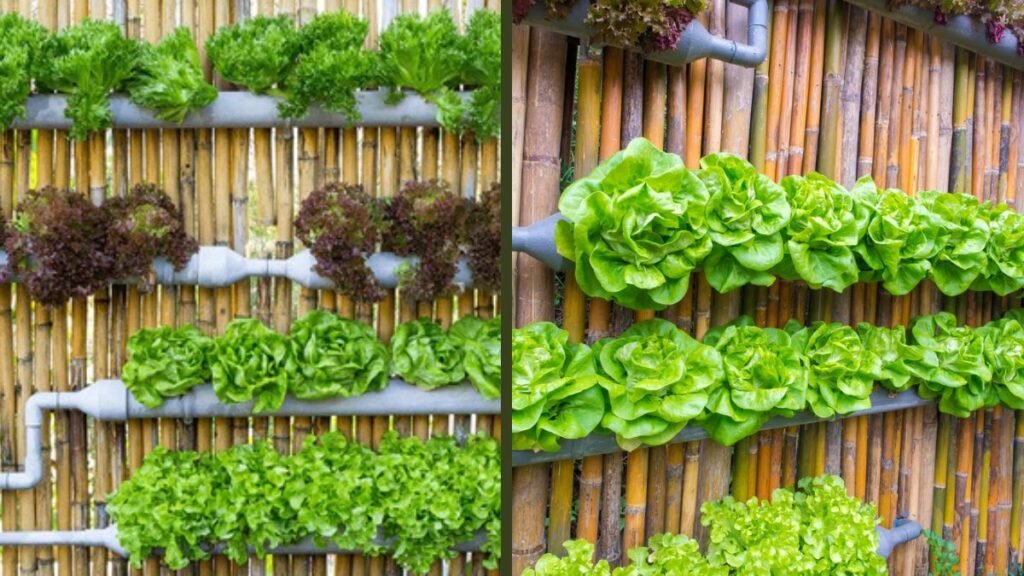
Leafy greens prefer moisture-rich soil. Root crops need loose soil. Fruiting plants need more nutrients. Soil can be adjusted slightly. Understanding crop needs improves yield. One mix can be adapted.
Sterilizing Soil Naturally
Soil can carry pests. Sun drying reduces problems. Avoid chemical sterilizers. Healthy compost suppresses disease. Clean soil supports healthy growth. Prevention is easier than cure.
Reusing and Refreshing Old Soil
Old soil loses nutrients. Add fresh compost. Loosen compacted soil. Remove old roots. Rejuvenation saves money. Reused soil performs well when refreshed.
Containers and Soil Depth
Different vegetables need different depth. Shallow roots need less soil. Deep roots need tall containers. Soil depth affects growth. Match container size with crop. Proper depth prevents stress.
Common Soil Mistakes in Vertical Gardens
Using pure garden soil. Ignoring drainage. Over-compacting soil. Skipping organic matter. Over-fertilizing. Avoiding these mistakes ensures success.
Comparison Table: Poor vs Ideal Vertical Garden Soil
| Aspect | Poor Soil | Ideal Soil |
|---|---|---|
| Texture | Hard | Loose |
| Drainage | Poor | Excellent |
| Nutrients | Low | Balanced |
| Moisture Holding | Uneven | Stable |
| Root Health | Weak | Strong |
Benefits of Well-Prepared Soil
Healthier plants. Faster growth. Better yield. Less pest problems. Reduced watering needs. Soil preparation saves effort later.
Sustainability and Eco Benefits
Reduces chemical use. Improves soil life. Encourages recycling compost. Saves water. Supports organic gardening. Environment-friendly practice.
Long-Term Soil Maintenance
Add compost regularly. Avoid soil compaction. Rotate crops. Refresh soil seasonally. Long-term care maintains productivity.
Conclusion
The success of any vertical garden depends on soil preparation. By creating the best soil mix with proper drainage, nutrition, and texture, gardeners can grow healthy vegetables even in small spaces. Soil is the true foundation of vertical gardening success.