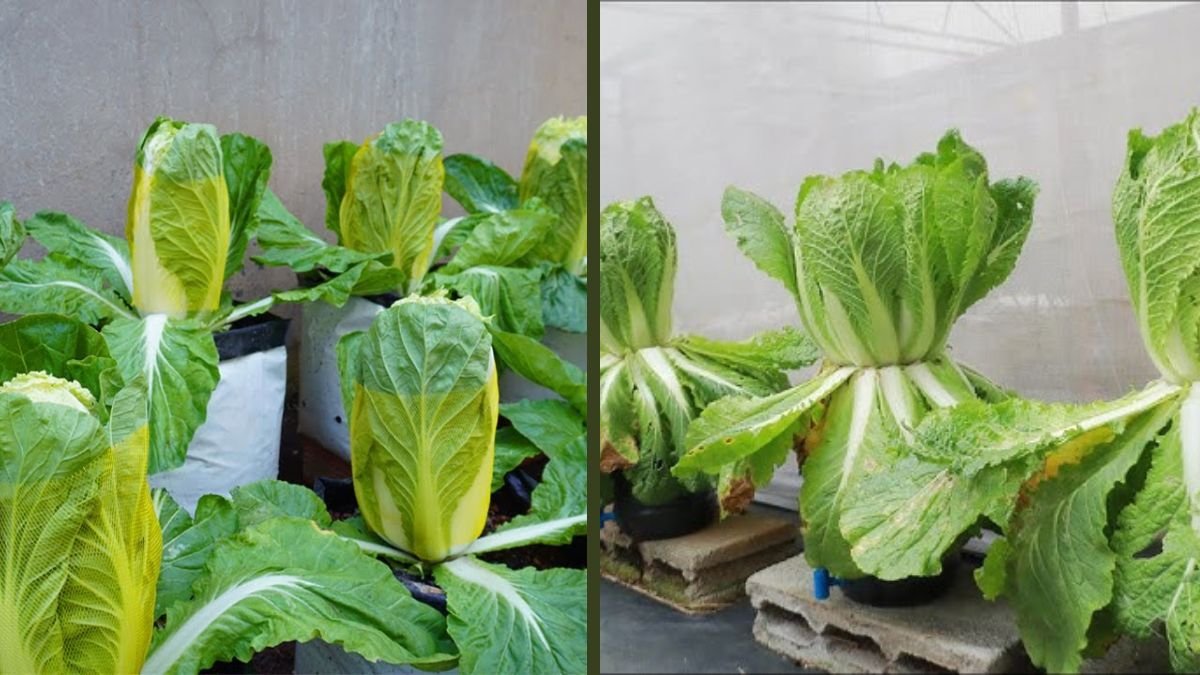
Introduction to Revolutionary Napa Cabbage Growing
Napa cabbage is a popular leafy vegetable used widely in Asian and fusion cooking, yet many gardeners struggle to grow it successfully. Traditional methods often result in loose heads, pest damage, or slow growth. A revolutionary growing method changes everything by focusing on soil balance, spacing, and moisture control. This approach works well in home gardens, terraces, and village backyards. Napa cabbage responds quickly when its basic needs are met correctly. The new method simplifies care while increasing yield. Clean, compact heads become achievable even for beginners. This guide explains the entire process step by step.
Understanding the Growth Nature of Napa Cabbage
Napa cabbage grows as a fast-forming leafy head rather than a loose leaf crop. It requires steady nutrition and consistent moisture. Stress during growth causes poor head formation. Roots are shallow and sensitive to drying out. Leaves grow rapidly in cool to moderate weather. Understanding this growth habit is essential for success. When conditions are right, Napa cabbage matures quickly. Knowledge of plant behavior makes the new method effective.
Why Traditional Methods Often Fail
Many gardeners overcrowd plants, leading to poor airflow. Inconsistent watering causes leaf bitterness and splitting. Heavy soil restricts root growth. Excess nitrogen produces leaves but no heads. Pests attack weak plants easily. These common mistakes reduce harvest quality. Traditional planting ignores the plant’s need for balance. The revolutionary method corrects these issues naturally.
The Core Idea Behind the New Method
The new method focuses on loose, layered soil and controlled spacing. It uses steady moisture rather than heavy watering. Plants are given room to expand naturally. Organic nutrition is applied gradually. Stress is minimized throughout the growth cycle. This creates ideal conditions for head formation. The result is uniform, dense Napa cabbage heads. Simplicity is the strength of this method.
Best Season and Climate for Napa Cabbage
Napa cabbage prefers cool temperatures. Mild winters and early spring are ideal. Excessive heat causes bolting. In warmer regions, partial shade helps. Consistent temperature improves leaf texture. Understanding seasonal timing ensures success. Climate awareness is part of the new approach. Proper timing reduces problems significantly.
Selecting High-Quality Seeds or Seedlings
Choose fresh, disease-free seeds from trusted sources. Local varieties adapt better to climate. Avoid old or poorly stored seeds. Healthy seedlings should have strong stems. Weak seedlings struggle later. Quality planting material is the foundation of success. The new method begins with good selection.
Preparing the Revolutionary Soil Mix
Soil must be light, fertile, and well-drained. Mix garden soil with compost and sand. Add cocopeat for moisture retention. Avoid compact soil completely. Organic matter improves structure. Balanced soil supports fast root growth. Proper soil preparation is the heart of this method.
Bed and Container Preparation
Raised beds work best for Napa cabbage. Containers must be wide and deep enough. Drainage holes are essential. Loose soil depth allows root spread. Clean beds reduce disease risk. Proper preparation ensures even growth. Bed design matters greatly.
Correct Spacing for Perfect Heads
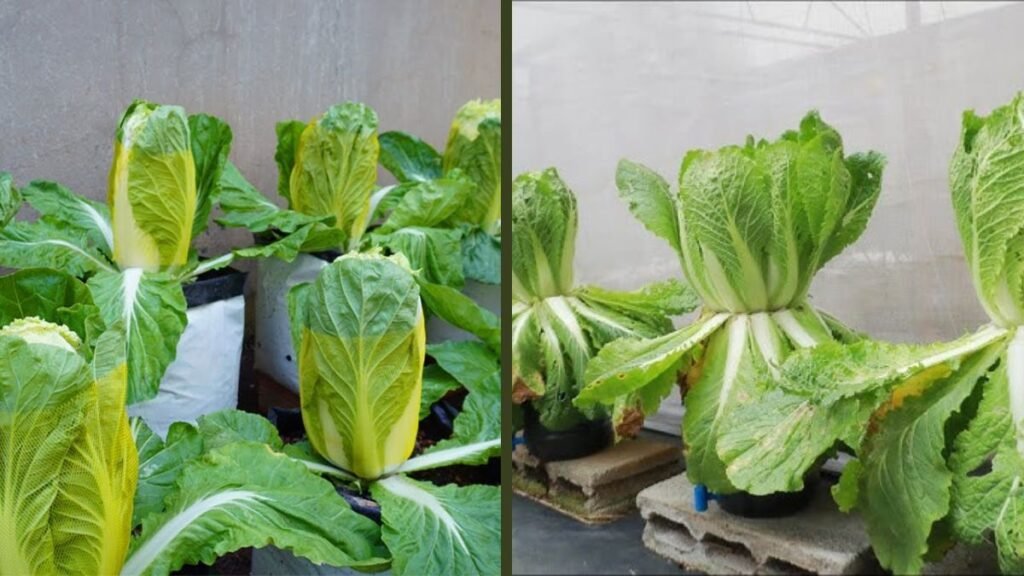
Spacing determines head size and shape. Plants need room to expand outward. Crowding leads to loose heads. Proper spacing improves airflow. Disease risk reduces naturally. The revolutionary method emphasizes correct distance. Space is a yield booster.
Watering Technique That Makes the Difference
Napa cabbage needs constant moisture. Soil should never dry out completely. Light but frequent watering works best. Mulching helps retain moisture. Overwatering causes root issues. Balanced watering keeps leaves tender. This technique prevents bitterness.
Organic Nutrition for Rapid Growth
Compost tea feeds plants gently. Vermicompost improves soil life. Avoid strong chemical fertilizers. Balanced nutrients encourage head formation. Feed regularly in small amounts. Organic nutrition supports steady growth. Healthy soil feeds the plant naturally.
Managing Pests Naturally
Napa cabbage attracts leaf-eating insects. Neem spray works effectively. Hand removal prevents spread. Healthy plants resist pests better. Good airflow discourages insects. Natural control fits the new method perfectly. Chemical use becomes unnecessary.
Monitoring Head Formation
Leaves begin folding inward during head formation. This stage requires extra care. Avoid stress during this period. Maintain moisture and nutrition. Any disturbance affects head quality. Observation helps timely action. Monitoring ensures success.
Harvesting Napa Cabbage Correctly
Harvest when heads feel firm. Do not delay too long. Use a sharp knife to cut. Avoid damaging nearby plants. Morning harvest preserves freshness. Proper harvesting improves shelf life. Timing matters greatly.
Post-Harvest Handling
Remove outer damaged leaves. Wash gently if needed. Store in cool place. Fresh heads last longer with care. Proper handling preserves quality. Clean harvest is a benefit of this method.
Comparison Table: Traditional vs Revolutionary Method
| Aspect | Traditional Method | Revolutionary Method |
|---|---|---|
| Soil Structure | Heavy | Light and Layered |
| Watering | Irregular | Consistent |
| Spacing | Crowded | Properly Spaced |
| Head Quality | Loose | Compact |
| Pest Issues | High | Low |
Yield and Quality Benefits
Heads grow larger and denser. Harvest is uniform. Taste improves significantly. Plants mature faster. Losses reduce greatly. Productivity increases even in small spaces. Quality becomes consistent.
Sustainability and Home Garden Value
Uses organic inputs. Saves water through mulching. Reduces chemical dependency. Suitable for home and village gardens. Encourages healthy eating. Sustainable and efficient.
Common Mistakes to Avoid
Overcrowding plants. Allowing soil to dry out. Using heavy soil. Excess fertilizer. Ignoring pests early. Avoiding these mistakes ensures success.
Conclusion
This revolutionary method of growing Napa cabbage simplifies cultivation while delivering high-quality results. By focusing on soil, spacing, and moisture, gardeners can enjoy clean, compact heads with minimal effort. It proves that smart techniques outperform traditional habits.