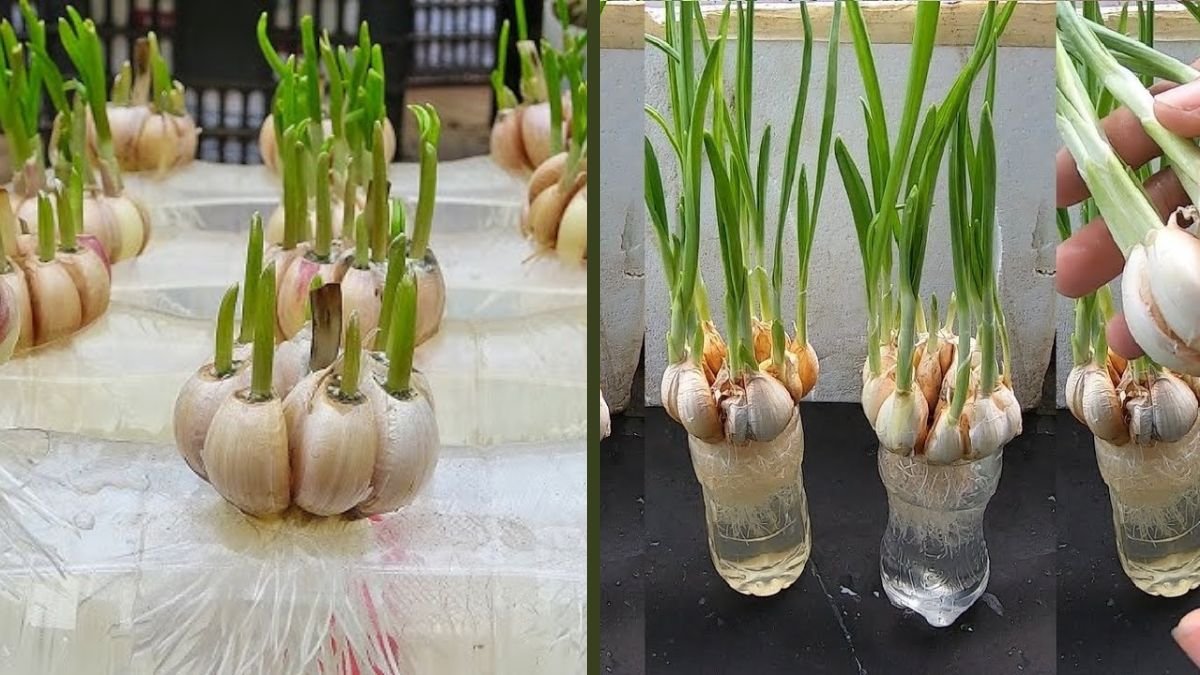
Introduction to Fall Garlic Planting
Garlic is one of the easiest and most rewarding crops to grow at home. Fall planting is the best method for producing large, flavorful garlic bulbs. When planted before winter, garlic establishes strong roots and resumes growth vigorously in spring. This natural cycle produces bigger bulbs compared to spring planting. Garlic requires minimal care once established. It is ideal for home gardeners of all experience levels. Fall planting also reduces pest pressure. This guide explains how to propagate, grow, and harvest garlic successfully.
Why Fall Is the Best Time to Plant Garlic
Garlic needs cold exposure to form bulbs. Fall planting allows cloves to experience winter chill. Cold triggers proper bulb development. Spring-planted garlic often produces smaller bulbs. Fall-planted garlic grows stronger roots. Early establishment improves nutrient uptake. Plants emerge earlier in spring. This head start results in larger harvests.
Choosing the Right Garlic Variety
Hardneck and softneck are the two main garlic types. Hardneck varieties produce larger cloves and scapes. Softneck varieties store longer. Choose varieties suitable for your climate. Local varieties perform best. Avoid grocery store garlic treated with chemicals. Use organic seed garlic if possible. Variety selection impacts bulb size and flavor.
Preparing Garlic Cloves for Planting
Separate bulbs into individual cloves carefully. Do not damage the clove base. Choose the largest cloves for planting. Larger cloves produce larger bulbs. Keep the skin intact. Avoid planting soft or damaged cloves. Preparation improves germination success. Healthy cloves are the foundation of good harvests.
Soil Preparation for Garlic Beds
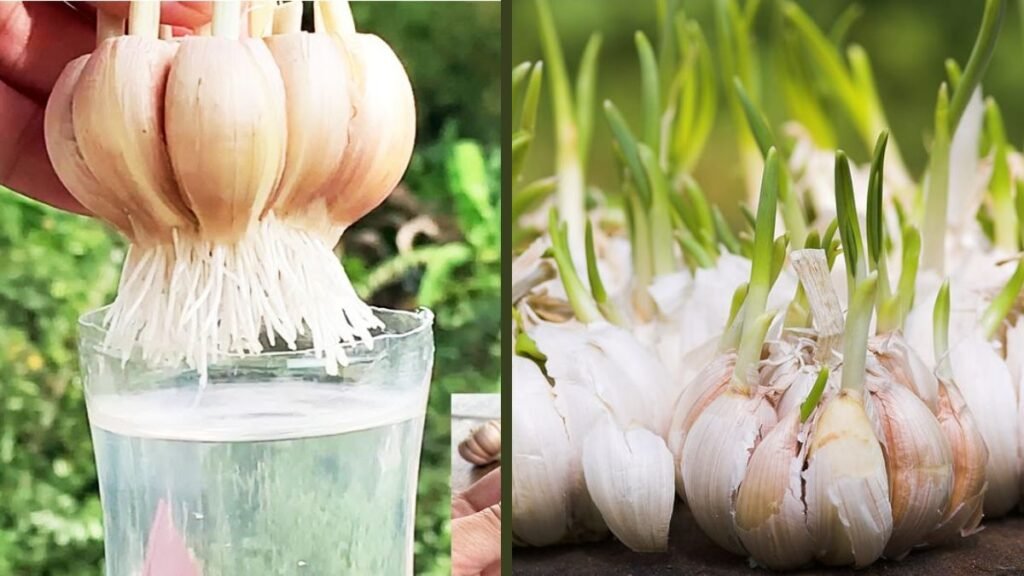
Garlic prefers loose, fertile soil. Add compost before planting. Avoid heavy clay soil. Good drainage is essential. Raised beds work well. Soil pH should be balanced. Organic matter improves structure. Well-prepared soil supports bulb formation.
Planting Depth and Spacing
Plant cloves pointed side up. Proper depth protects cloves from cold. Space cloves adequately to allow bulb expansion. Crowded garlic produces smaller bulbs. Consistent spacing improves airflow. Uniform planting ensures even growth. Planting technique directly affects yield.
Mulching for Winter Protection
Mulch protects garlic during winter. Straw or dry leaves work well. Mulch prevents temperature fluctuations. It also suppresses weeds. Mulching conserves soil moisture. Remove excess mulch in spring. Proper mulching ensures healthy overwintering.
Watering Schedule During Growth
Garlic needs moderate watering. Overwatering causes rot. Water deeply but infrequently. Reduce watering near harvest. Soil should remain moist, not soggy. Spring growth requires consistent moisture. Balanced watering improves bulb size.
Spring Care for Strong Growth
As temperatures rise, garlic resumes active growth. Remove weeds regularly. Apply compost as top dressing. Avoid disturbing roots. Healthy leaves mean healthy bulbs. Spring care determines final bulb size. Early attention prevents problems later.
Fertilizing Garlic Naturally
Garlic benefits from organic feeding. Compost and vermicompost are ideal. Avoid excessive nitrogen late in growth. Potassium supports bulb formation. Balanced nutrition improves flavor. Organic feeding improves soil health. Fertilization should be timely.
Understanding Garlic Scapes
Hardneck garlic produces scapes. Removing scapes redirects energy to bulbs. Harvest scapes when tender. Scapes are edible and flavorful. Timely removal increases bulb size. Scape management is important for yield. Do not ignore this stage.
Pest and Disease Management
Garlic naturally repels many pests. Proper spacing reduces disease. Avoid waterlogging. Remove infected plants promptly. Crop rotation prevents soil diseases. Healthy soil discourages problems. Garlic is relatively low-maintenance. Prevention ensures success.
Garlic Growth Stages Overview (Table)
| Stage | Time Period | Main Care |
|---|---|---|
| Root Development | Fall | Mulching |
| Dormancy | Winter | Protection |
| Leaf Growth | Spring | Feeding |
| Bulb Formation | Early summer | Reduced watering |
When to Stop Watering Garlic
Stop watering when leaves begin to yellow. Excess water reduces storage quality. Dry soil hardens bulbs. Timing is crucial. Proper drying improves shelf life. Observing plant signals is important. This step prepares garlic for harvest.
Harvesting Garlic at the Right Time
Harvest when lower leaves dry but upper leaves remain green. Use a fork to loosen soil. Do not pull forcefully. Handle bulbs gently. Proper timing ensures full bulb development. Early or late harvest reduces quality. Observation is key.
Curing Garlic for Long Storage
Curing dries garlic for storage. Hang bulbs in a shaded, ventilated area. Allow several weeks for curing. Do not wash bulbs immediately. Proper curing improves shelf life. Dry skins protect cloves. Curing is essential for quality.
Storing Garlic Properly
Store garlic in cool, dry conditions. Avoid refrigeration. Good airflow prevents mold. Proper storage extends usability. Separate damaged bulbs. Well-stored garlic lasts months. Storage completes the growing cycle.
Common Mistakes in Garlic Growing
Planting too shallow exposes cloves. Overwatering causes rot. Poor soil limits bulb size. Ignoring mulch reduces protection. Avoid these mistakes. Simple care ensures success. Experience improves future harvests.
Why Homegrown Garlic Is Superior
Homegrown garlic has stronger flavor. Bulbs are fresher and chemical-free. You control growing conditions. Storage life improves. Variety options increase. Growing garlic saves money. Quality is unmatched.
Final Conclusion
Fall planting garlic is a reliable and rewarding method. With minimal effort, gardeners can enjoy large, flavorful bulbs. The process is simple and natural. Proper timing ensures success. Garlic is perfect for home gardens. Try fall planting and experience the difference. Your harvest will be worth it.