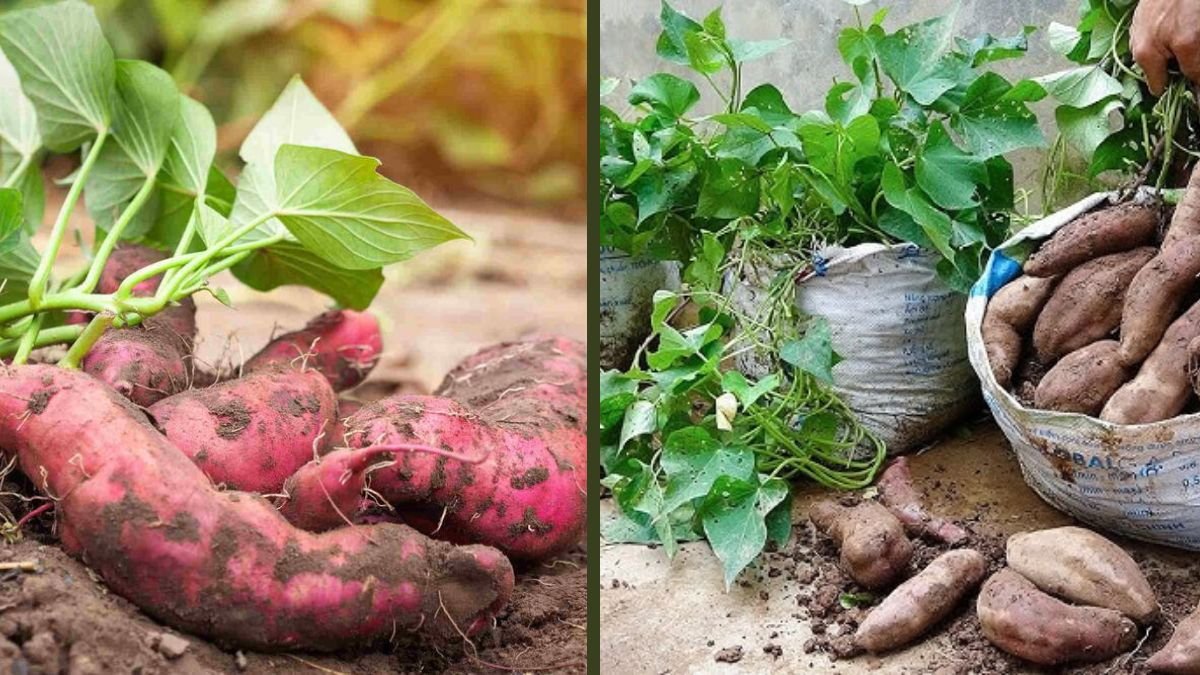
Introduction: Why Sweet Potatoes Are Worth Growing
Sweet potatoes are one of the most rewarding crops for home gardeners because they produce high yields with relatively low maintenance. Many gardeners believe sweet potatoes are difficult to grow, but the truth is they thrive when given warmth, space, and patience. Over a 120-day growing cycle, sweet potatoes slowly develop underground tubers that increase in size toward harvest. This long growth period allows nutrients to concentrate, improving taste and texture. Home-grown sweet potatoes are fresher, sweeter, and chemical-free. Understanding the full 120-day journey helps gardeners plan better. This guide explains every stage clearly for maximum yield.
Understanding The 120-Day Sweet Potato Growth Cycle
Sweet potatoes grow differently from regular potatoes, as they develop from slips and tubers over time. The first thirty days focus on vine and root establishment. The next sixty days are critical for tuber formation and expansion. The final thirty days allow tubers to mature and store energy. Each stage requires specific care and attention. Missing proper care at any stage reduces final size. Patience is essential because tubers grow mostly underground. Knowing the growth timeline helps prevent early harvesting mistakes.
Selecting Healthy Sweet Potato Tubers
Choosing the right tubers is the foundation of large harvests. Always select disease-free, mature sweet potatoes with no soft spots. Organic tubers are preferred because they sprout more reliably. Tubers should feel firm and heavy for their size. Avoid damaged or shriveled potatoes. Healthy tubers produce strong slips and vigorous vines. This initial choice directly affects yield quality. Good planting material ensures strong growth from day one.
Preparing Sweet Potato Slips Naturally
Sweet potatoes are grown using slips, which are sprouts grown from tubers. Place tubers in shallow water or moist soil under warm conditions. Within two to three weeks, green shoots begin to appear. These shoots grow quickly when temperatures are warm. Once slips reach adequate length, gently twist them off. Allow slips to root in water for a few days. Healthy slips grow faster after planting. This natural method saves money and improves success.
Soil Preparation For Large Tuber Development
Sweet potatoes prefer loose, sandy, and well-draining soil. Heavy or compact soil restricts tuber expansion. Mix garden soil with compost and sand to improve texture. Raised beds work exceptionally well for sweet potatoes. Soil rich in organic matter supports slow and steady growth. Avoid excessive nitrogen fertilizers that encourage leaf growth over tubers. Good soil structure allows tubers to expand freely. Soil preparation plays a major role in tuber size.
Planting Slips The Right Way
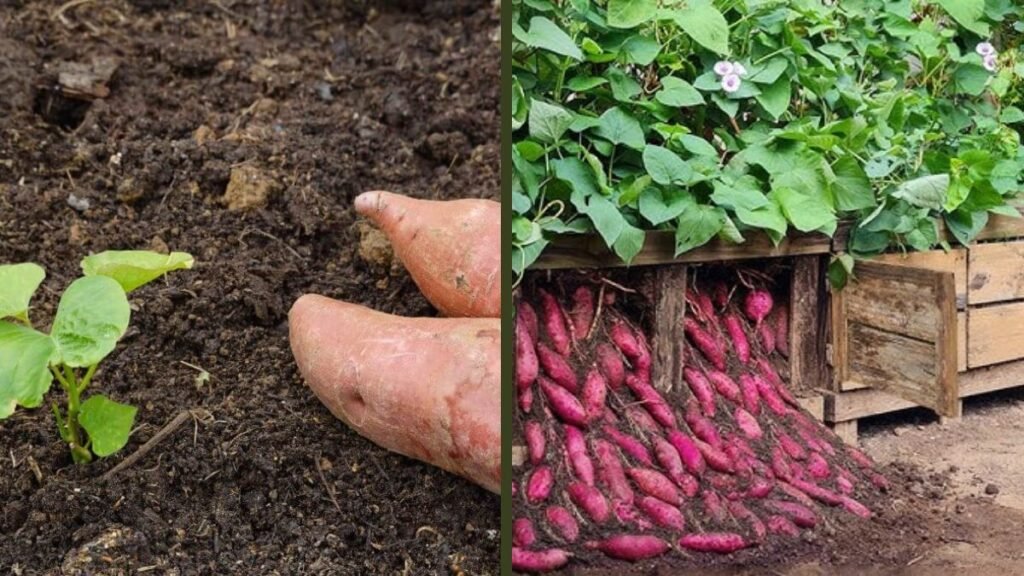
Plant sweet potato slips after the risk of frost has passed. Space slips widely to allow vines to spread freely. Bury slips deep enough so roots establish quickly. Water immediately after planting to reduce stress. Early planting in warm soil speeds growth. Proper spacing prevents competition for nutrients. Strong early establishment sets the stage for large tubers. Correct planting technique improves survival rate significantly.
Early Growth Stage Care: First 30 Days
During the first month, plants focus on root and vine development. Keep soil consistently moist but not waterlogged. Avoid disturbing young plants during this stage. Mulching helps retain moisture and suppress weeds. Early weed control prevents nutrient competition. Vines begin spreading across the soil surface. Healthy foliage indicates strong root growth. This stage builds the foundation for future tuber formation.
Vine Growth And Ground Coverage
Sweet potato vines spread aggressively and cover soil completely. This natural ground cover reduces weeds and moisture loss. Avoid excessive pruning of vines. Vines help transport energy to developing tubers. Proper vine coverage protects soil from temperature extremes. Allow vines to grow freely without disturbance. Healthy vines mean strong photosynthesis. Ground coverage supports consistent tuber growth.
Mid-Season Care: 60 Days Of Growth
At this stage, tubers begin forming underground. Avoid digging or checking tubers too early. Maintain steady watering to support expansion. Reduce nitrogen feeding during this phase. Potassium-rich compost improves tuber development. Plants appear lush and healthy during mid-season. This is a critical growth period. Stress during this stage reduces final size.
Table: Sweet Potato Growth Stages Over 120 Days
Growth Stage Explanation
First month focuses on root and vine establishment
Second and third months develop tubers underground
Final month allows tubers to mature and sweeten
Consistent moisture supports steady expansion
Reduced nitrogen improves tuber size
Watering Strategy For Large Tubers
Sweet potatoes need consistent but moderate watering. Overwatering causes cracking and rot. Deep watering encourages deeper root growth. Reduce watering slightly toward the end of the cycle. Dry soil during final weeks improves sweetness. Morning watering works best. Balanced moisture supports healthy development. Water management directly affects tuber quality.
Organic Fertilization For Maximum Yield
Use compost tea or well-decomposed manure during early growth. Switch to potassium-rich feeding during tuber formation. Avoid chemical fertilizers. Organic nutrients release slowly and support long growth cycles. Overfeeding leads to excessive vines. Balanced nutrition improves yield. Feeding schedule must match growth stage. Organic methods improve soil health.
Pest And Disease Prevention Naturally
Sweet potatoes are relatively pest-resistant. Occasional insects can be controlled using neem oil. Healthy soil prevents most diseases. Avoid waterlogging to reduce rot issues. Crop rotation helps long-term soil health. Clean garden practices reduce pest pressure. Natural prevention is usually sufficient. Healthy plants resist problems easily.
Final 30 Days: Maturation Stage
During the last month, tubers gain size and sweetness. Reduce watering gradually. Avoid disturbing plants. Leaves may begin to yellow naturally. This is a sign of maturity. Allow tubers to harden before harvest. Final growth stage determines storage quality. Patience during this stage pays off. Harvest timing matters greatly.
When And How To Harvest Sweet Potatoes
Harvest after about 120 days when vines start dying back. Use hands or tools carefully to avoid damaging tubers. Shake off excess soil gently. Handle tubers carefully to avoid bruising. Harvest on a dry day if possible. Proper harvesting preserves quality. Freshly harvested tubers need curing. Gentle handling improves shelf life.
Curing Sweet Potatoes For Better Taste
Curing improves sweetness and storage life. Place tubers in a warm, humid place for several days. This process converts starch into sugar. Avoid washing tubers before curing. Proper curing enhances flavor significantly. After curing, store in a cool, dry place. Curing is essential for best results. Skipping curing reduces quality.
Common Mistakes That Reduce Yield
Planting in cold soil slows growth. Heavy soil restricts tuber size. Excess nitrogen causes leafy growth. Early harvesting reduces yield. Overwatering causes rot. Ignoring spacing limits tuber expansion. Avoiding these mistakes ensures success. Small changes create big improvements.
Why 120 Days Produces Larger Sweet Potatoes
Sweet potatoes need time to expand underground. Longer growth allows more energy storage. Rapid harvesting results in smaller tubers. Natural growth cycles cannot be rushed. Patience improves size and flavor. Following the full 120-day cycle maximizes yield. This method works reliably. Time is the key factor.
Final Thoughts On Sweet Potato Growing
Growing sweet potatoes over 120 days is simple and rewarding. With proper care, even small gardens produce large harvests. This crop suits beginners and experienced gardeners alike. Home-grown sweet potatoes taste better and store longer. Following this guide ensures success. Each season improves results. Start once and enjoy every harvest.