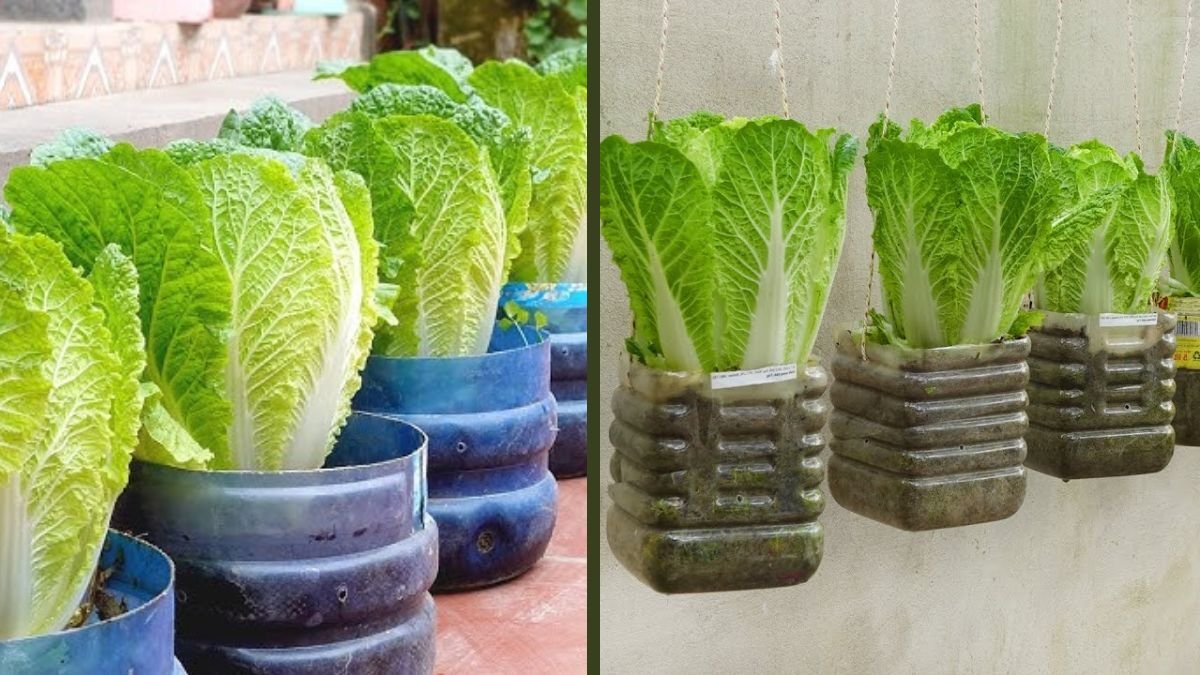
Introduction to Home-Grown Napa Cabbage
Napa cabbage is a delicious and nutritious vegetable used in many cuisines. Growing it at home ensures freshness and flavor. From seed planting to cooking, the journey is rewarding. Napa cabbage grows quickly and adapts well to home gardens. It requires simple care and minimal space. Homegrown cabbage tastes better than store-bought. This guide covers every stage clearly.
Understanding Napa Cabbage Growth
Napa cabbage is a cool-season vegetable. It grows best in mild temperatures. Leaves form a tight, elongated head. Growth happens rapidly under proper conditions. Understanding its growth cycle helps in planning. Healthy growth leads to tender leaves. Timing is important for quality harvest.
Choosing the Right Seeds
Select fresh, high-quality seeds. Local varieties adapt better. Disease-resistant seeds improve success. Avoid old or damaged seeds. Seed quality determines plant strength. Good seeds lead to uniform heads. Proper selection ensures better yield.
Preparing the Soil
Loose, fertile soil works best. Add compost to improve nutrition. Soil should drain well. Avoid compacted ground. Proper soil preparation supports strong roots. Healthy soil reduces problems later.
Sowing the Seeds
Seeds can be sown directly or in trays. Plant shallowly. Keep soil moist. Germination occurs quickly. Thin seedlings to prevent crowding. Proper spacing is essential for head formation.
Transplanting Seedlings
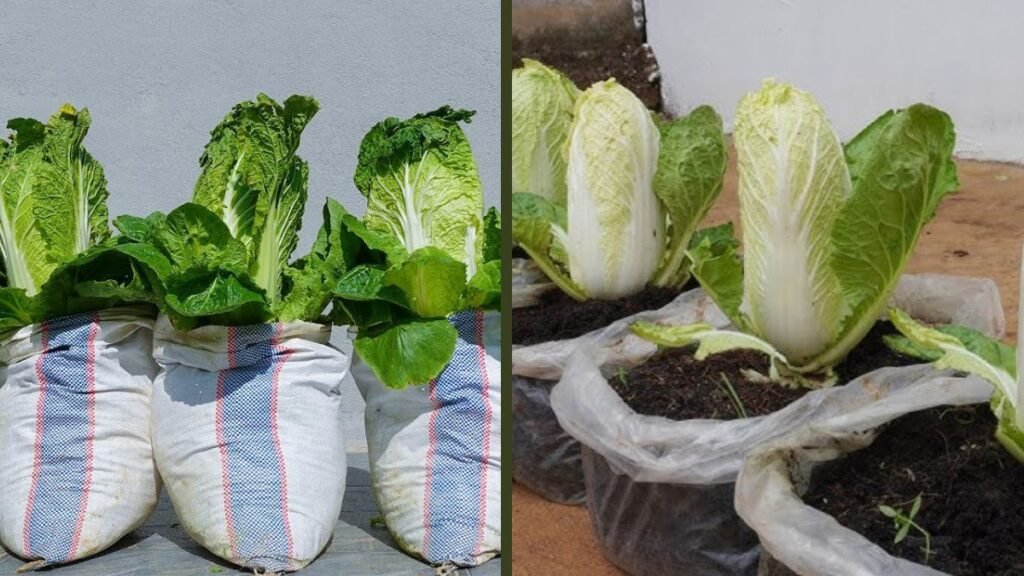
Transplant when seedlings have strong leaves. Handle roots gently. Space plants properly. Water after transplanting. Avoid transplant shock. Healthy transplants grow faster.
Sunlight Requirements
Napa cabbage prefers partial sunlight. Too much heat causes bolting. Morning sun is ideal. Shade in hot afternoons helps. Balanced light improves leaf quality.
Watering Schedule
Consistent moisture is essential. Avoid water stress. Deep watering supports head formation. Mulching helps retain moisture. Proper watering prevents bitterness.
Fertilization for Leaf Growth
Leafy vegetables need nitrogen. Organic compost works well. Avoid excessive fertilization. Balanced nutrients improve flavor. Healthy feeding leads to tender leaves.
Pest Management Naturally
Cabbage worms are common pests. Hand removal works well. Neem spray controls insects. Healthy plants resist pests. Avoid chemical sprays. Organic methods keep food safe.
Supporting Healthy Growth
Remove damaged leaves regularly. Ensure airflow. Avoid overcrowding. Monitor plant health. Proper care ensures uniform heads.
Harvesting Napa Cabbage
Harvest when heads are firm. Use a sharp knife. Avoid delaying harvest. Overgrown heads split easily. Proper timing ensures best taste.
Cleaning and Storage
Wash cabbage thoroughly. Remove outer leaves. Store in cool conditions. Fresh cabbage lasts longer. Proper storage preserves nutrients.
Cooking Fresh Napa Cabbage
Homegrown cabbage cooks quickly. Leaves are tender and sweet. Suitable for stir-fries, soups, and salads. Fresh flavor enhances dishes. Simple cooking highlights taste.
Simple Home Recipe Idea
Slice cabbage thinly. Stir-fry with garlic and oil. Add salt lightly. Cook briefly. Serve fresh and warm. Homegrown taste stands out.
Nutritional Benefits
Napa cabbage is rich in vitamins. Low in calories. Supports digestion. Boosts immunity. Fresh produce is healthier.
Comparison Table: Home-Grown vs Store-Bought
| Aspect | Home-Grown Napa Cabbage | Store-Bought Napa Cabbage |
|---|---|---|
| Freshness | Very High | Moderate |
| Taste | Superior | Average |
| Chemical Use | None | Possible |
| Cost | Low | Higher |
| Nutrition | Maximum | Reduced |
Seasonal Growing Tips
Grow during cooler months. Avoid extreme heat. Protect from frost if needed. Seasonal care improves success.
Economic and Lifestyle Benefits
Reduces grocery expenses. Encourages healthy eating. Provides gardening satisfaction. Supports self-reliance. Home food production is rewarding.
Sustainability Aspect
Reduces food miles. No packaging waste. Encourages organic practices. Supports eco-friendly living.
Conclusion
Growing Napa cabbage at home from planting to plate is simple and fulfilling. Fresh harvest ensures superior taste and nutrition. With basic care, anyone can enjoy healthy meals straight from their garden.