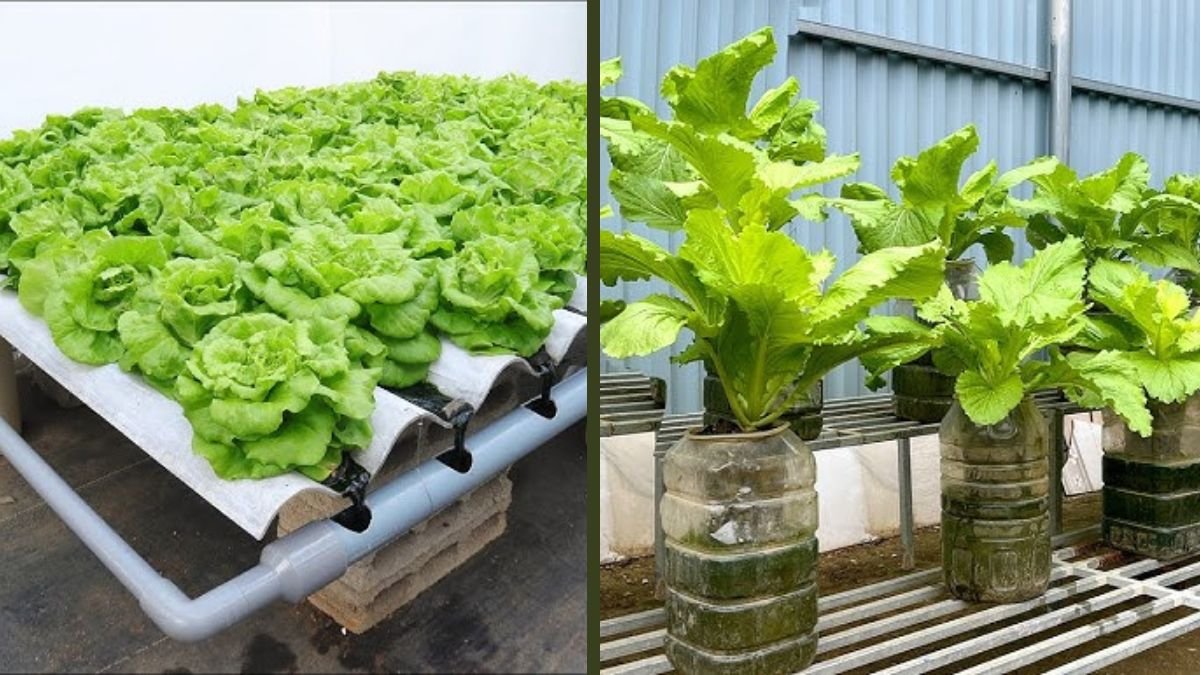
Introduction to Soil-Free and Irrigation-Free Gardening
Growing vegetables traditionally requires soil preparation, frequent watering, and constant maintenance. However, modern gardeners are now discovering new methods that eliminate both soil and irrigation. This innovative technique relies on moisture retention, natural wicking, and controlled environments. It is ideal for people with limited water access or urban spaces. The process is quiet, clean, and visually satisfying, making it popular in ASMR gardening content. With minimal effort, vegetables grow healthy and strong. This method represents the future of sustainable home gardening.
What Does “Without Soil” Really Mean
Growing without soil does not mean growing without nutrients. Instead of soil, alternative growing media are used. These media hold moisture and nutrients efficiently. Examples include coco peat, perlite, clay pellets, and natural fibers. Roots grow freely without compaction. Oxygen reaches roots more easily. Plants develop faster and stronger. This system reduces common soil problems like pests and diseases.
Understanding Irrigation-Free Growing
Irrigation-free gardening does not mean no water at all. It means water is stored and reused efficiently. Plants receive moisture through capillary action. A water reservoir supplies moisture slowly. Evaporation loss is minimal. This method is perfect for dry regions. Once set up, plants require almost no daily watering. The system works silently and steadily.
Why This Method Is Gaining Popularity
Water scarcity is increasing globally. Urban homes lack garden space. This method addresses both problems. It saves water, space, and time. Gardening becomes stress-free. Beginners experience higher success rates. Maintenance is minimal. ASMR gardeners enjoy the calm process. Sustainability and simplicity make it very attractive.
Materials Required for This Method
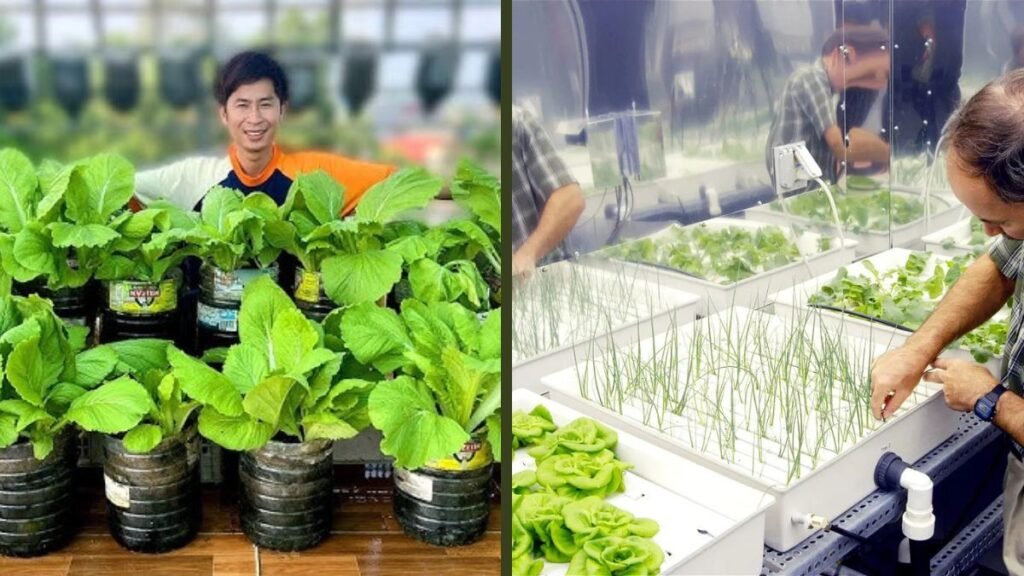
Basic household materials are sufficient. Containers can be reused plastic boxes or trays. Growing medium replaces soil. A water reservoir is essential. Wicks or absorbent cloths transfer moisture. Seeds or seedlings complete the setup. No expensive equipment is required. This keeps costs extremely low.
Preparing the Growing Container
Choose a container with depth. Create a lower chamber for water storage. Place a mesh or platform above the reservoir. Insert wicks through the platform. Ensure stability and airflow. The setup should be balanced. Proper preparation ensures long-term success.
Choosing the Right Growing Medium
Coco peat is lightweight and moisture-retentive. Perlite improves aeration. Clay pellets provide stability. A mix of these works best. The medium should stay moist but not soggy. Good aeration prevents root rot. The right medium replaces soil completely.
Selecting Suitable Vegetables
Leafy greens perform best. Lettuce, spinach, coriander, and herbs thrive. Cherry tomatoes and peppers can also grow. Fast-growing vegetables show quick results. Avoid deep root crops initially. Start with simple plants. Success builds confidence.
Planting Seeds or Seedlings
Seeds are placed gently in the medium. Seedlings should have healthy roots. Position roots to touch the moist zone. Cover lightly. Avoid compacting the medium. Gentle planting prevents stress. Plants adapt quickly in this system.
How Moisture Reaches the Roots
Water travels upward through wicks. Capillary action distributes moisture evenly. Roots draw water as needed. Excess water stays in the reservoir. No surface watering is required. This balance prevents drying and flooding. Plants receive consistent hydration.
Nutrient Supply Without Soil
Liquid nutrients replace soil nutrients. Organic liquid fertilizers work well. Nutrients dissolve in reservoir water. Plants absorb nutrients directly. This controlled feeding improves growth. Over-fertilization is easy to avoid. Balanced nutrition is key.
Growth Observation and ASMR Appeal
Plants grow visibly day by day. Leaves appear fresh and vibrant. No muddy mess exists. The quiet system creates calming visuals. Many enjoy watching root development. This sensory experience makes it popular online. Gardening becomes relaxing and satisfying.
Pest and Disease Prevention
Soil-borne pests are eliminated. Clean media reduces infections. Controlled moisture prevents fungal growth. Indoor growing reduces insect exposure. Healthy plants resist problems naturally. Maintenance becomes easier.
Maintenance Requirements
Check water level weekly. Refill reservoir when low. Add nutrients occasionally. Remove dead leaves. No daily watering is needed. This saves time and effort. Ideal for busy lifestyles.
Comparison Table: Traditional vs Soil-Free Method
| Aspect | Traditional Gardening | Soil-Free Irrigation-Free Method |
|---|---|---|
| Water Usage | High | Very Low |
| Soil Needed | Yes | No |
| Maintenance | High | Low |
| Pest Issues | Common | Rare |
| Space Requirement | Large | Small |
| Beginner Friendly | Moderate | Very High |
Environmental Benefits
This method conserves water. Reduces soil erosion. Encourages reuse of materials. Minimizes chemical use. Supports sustainable living. Eco-friendly gardening is achieved easily.
Cost Effectiveness
Initial cost is minimal. Reused containers reduce expenses. Water bills decrease. Fertilizer usage is controlled. Long-term savings are significant. Affordable for everyone.
Suitable for Urban Homes
Perfect for balconies and kitchens. No dirty soil indoors. Odor-free and clean. Compact design fits small spaces. Fresh vegetables grow at home easily.
Future of Home Gardening
This method represents modern gardening trends. Technology and nature combine. Resource efficiency improves. Home food security increases. Gardening becomes accessible to all.
Conclusion
Growing vegetables without soil and irrigation is a revolutionary yet simple method. It saves water, space, and effort while producing healthy crops. Ideal for beginners, urban gardeners, and sustainable living enthusiasts. This calm, ASMR-friendly method is truly the future of home gardening.