Paragraph 1: Introduction to No Dig Sweet Potato Gardening
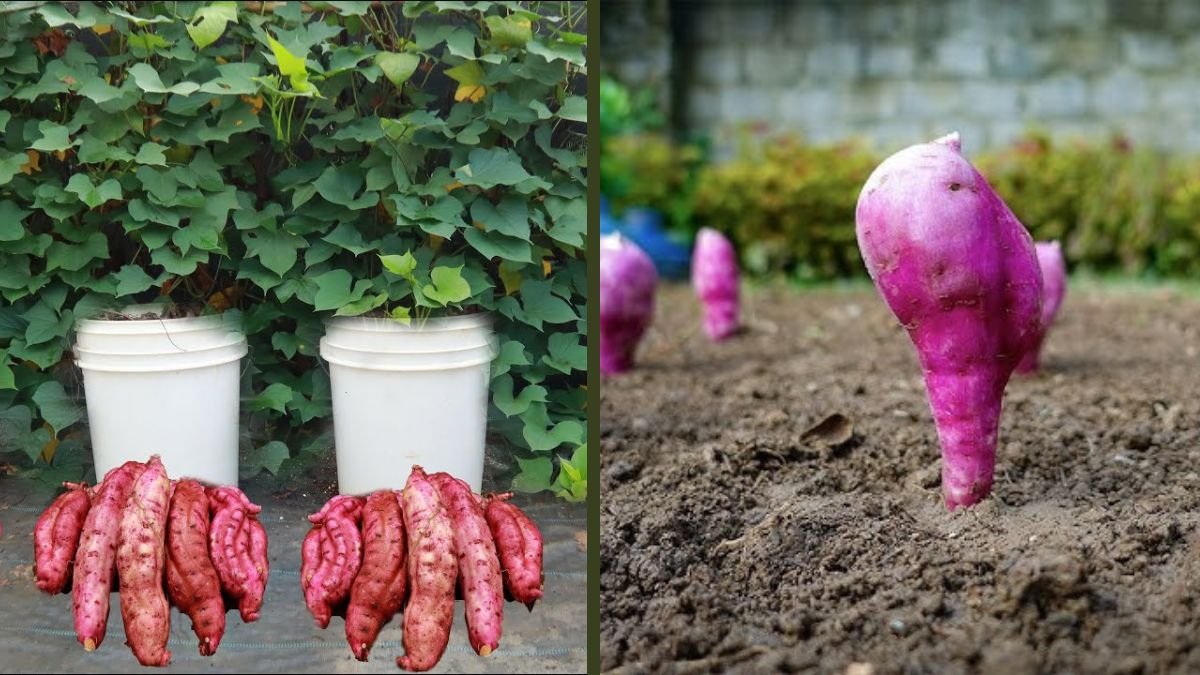
Sweet potato is a nutritious root crop loved worldwide. Traditional cultivation involves heavy digging. No dig gardening offers an easier alternative. This method protects soil structure. Sweet potatoes thrive in loose organic layers. Gardening becomes simple and satisfying. Even beginners achieve good harvests. This guide explains the no dig method clearly.
Paragraph 2: What Is No Dig Gardening
No dig gardening avoids soil disturbance. Organic layers replace digging. Soil organisms remain active. Moisture retention improves naturally. Weeds are reduced significantly. Soil fertility increases over time. Plants grow healthier. This method is eco-friendly.
Paragraph 3: Why Sweet Potato Is Ideal for No Dig
Sweet potatoes prefer loose soil. They spread easily in soft layers. Tubers develop better without compaction. No dig beds stay warm. Organic matter feeds tubers continuously. Root expansion becomes easier. Yield improves naturally. Sweet potatoes love this system.
Paragraph 4: Selecting Sweet Potato Varieties
Choose fast-growing varieties. Bush types suit small gardens. Local varieties perform best. Disease-resistant types last longer. Healthy slips ensure success. Variety affects tuber size. Proper selection improves yield. Choose wisely.
Paragraph 5: Preparing the No Dig Bed
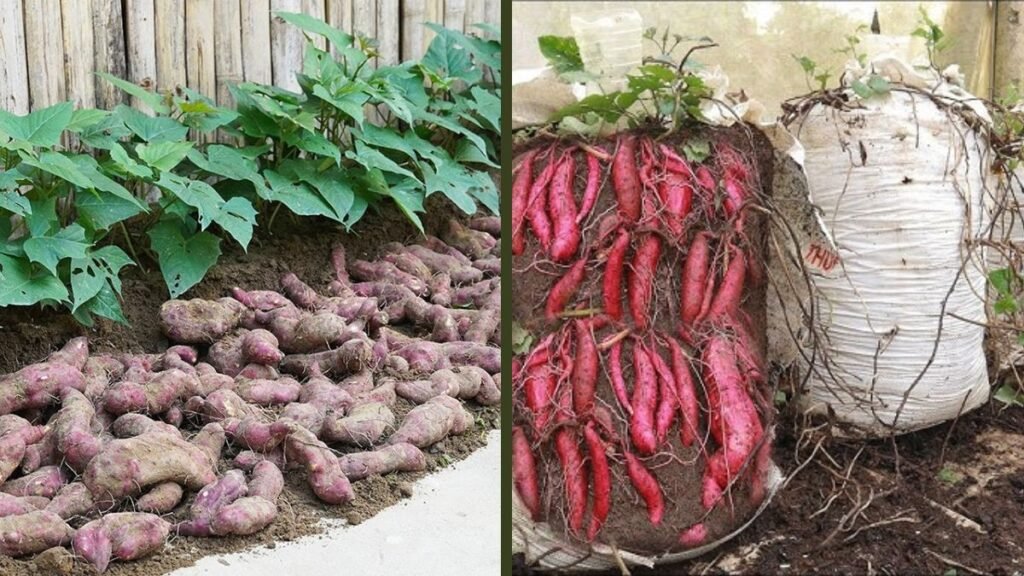
Select sunny location. Cover ground with cardboard. Add compost layer generously. Top with straw or dry leaves. Layers break down gradually. Soil becomes rich and soft. No digging required. Bed preparation is easy.
Paragraph 6: Planting Sweet Potato Slips
Plant slips through organic layers. Space plants properly. Firm soil gently around slips. Water immediately after planting. Slips establish quickly. Warm conditions help rooting. Proper planting ensures growth. Early care is important.
Paragraph 7: Sunlight Requirements
Sweet potatoes love sunlight. Six to eight hours daily is ideal. Insufficient light reduces tuber size. Open spaces work best. Sunlight warms the bed. Photosynthesis increases energy. More light means better yield. Light is essential.
Paragraph 8: Watering in No Dig Beds
Organic layers retain moisture well. Water deeply but less frequently. Avoid waterlogging. Mulch reduces evaporation. Consistent moisture supports tuber growth. Irregular watering causes cracking. Balanced watering is key. Water wisely.
Paragraph 9: Mulching Benefits
Mulch protects soil moisture. Suppresses weed growth. Regulates temperature. Feeds soil organisms. Organic mulch decomposes naturally. Improves soil fertility. Encourages healthy tubers. Mulching is essential.
Paragraph 10: Fertilization Needs
Sweet potatoes need moderate feeding. Excess nitrogen increases vines. Compost provides balanced nutrients. Liquid organic feed helps growth. Avoid chemical fertilizers. Healthy soil feeds plants naturally. Proper nutrition increases yield. Balance is important.
Paragraph 11: Vine Management
Vines spread aggressively. Train vines within bed area. Avoid burying nodes excessively. Manage growth regularly. Prevent overcrowding. Healthy vines support tuber formation. Controlled vines improve yield. Simple management works.
Paragraph 12: Pest and Disease Control
Sweet potatoes face few pests. Rodents may attack tubers. Maintain garden cleanliness. Use natural repellents if needed. Healthy soil reduces disease. Avoid excess moisture. Prevention protects harvest. Observation is key.
Paragraph 13: Growth Timeline
Sweet potatoes grow for several months. Vines spread first. Tubers develop underground. Growth accelerates in warm weather. Patience is necessary. Longer growth improves size. Understanding timeline helps planning. Harvest comes later.
Paragraph 14: Signs of Harvest Readiness
Leaves start yellowing. Growth slows down. Tubers reach maturity. Weather influences harvest timing. Harvest before frost. Observing plant signals helps. Proper timing ensures quality. Do not rush harvest.
Paragraph 15: Harvesting Without Digging
Gently remove mulch layers. Pull tubers by hand. Soil remains loose. Minimal damage occurs. Harvest is satisfying and easy. No tools required. Tubers come out clean. No dig harvest is enjoyable.
Paragraph 16: Post-Harvest Handling
Cure tubers in shade. Avoid washing immediately. Allow skins to harden. Proper curing improves storage. Store in dry place. Good handling extends shelf life. Quality improves over time. Care matters.
Paragraph 17: Table – No Dig Sweet Potato Guide
Table: No Dig Sweet Potato Growing Essentials
Aspect | Recommended Practice
Bed Type | No dig layered bed
Soil | Compost and mulch layers
Sunlight | Full sun exposure
Watering | Moderate and consistent
Mulching | Thick organic mulch
Harvesting | Hand harvest without digging
Paragraph 18: Growing in Small Gardens
No dig beds fit small spaces. Easy to maintain. Reduced labor required. Ideal for beginners. Suitable for backyard gardens. Less effort gives good yield. Space is used efficiently. Gardening becomes enjoyable.
Paragraph 19: Common Mistakes to Avoid
Excess nitrogen reduces tubers. Poor sunlight limits growth. Overwatering causes rot. Early harvesting reduces size. Ignoring mulch dries soil. Learning mistakes improves results. Experience builds skill. Observation is important.
Paragraph 20: Conclusion
No dig sweet potato gardening is simple and rewarding. Soil health improves naturally. Harvesting becomes effortless. This method suits all gardeners. Minimal labor gives high yield. Sweet potatoes thrive in organic layers. Start small and expand gradually. Enjoy a satisfying harvest.