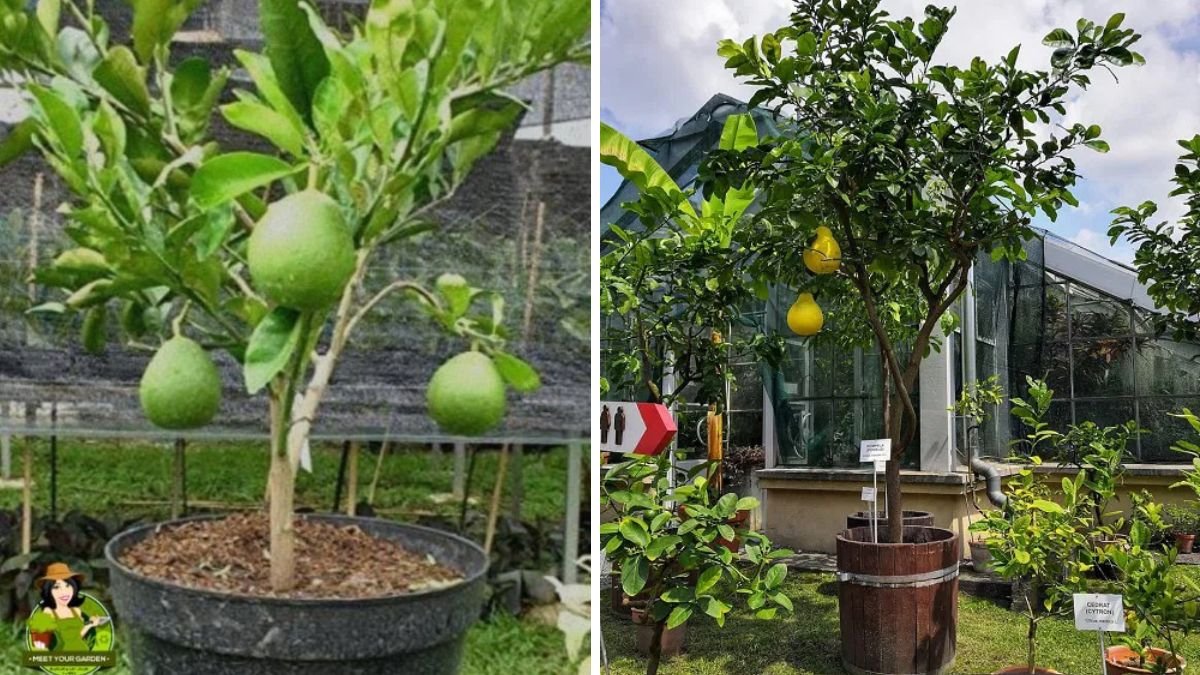
1. Introduction to Pomelo Home Gardening
Pomelo is one of the largest citrus fruits and is highly valued for its sweet and mildly tangy flavor. Growing pomelo at home is easier than many gardeners believe. With proper care, pomelo trees thrive in backyards, terraces, and even large containers. Home cultivation ensures chemical-free fruits. Pomelo plants are long-living and productive. Once established, they reward growers for many years. Understanding basic requirements is the first step. This guide explains everything from planting to harvesting in detail.
2. Understanding the Pomelo Tree
Pomelo trees belong to the citrus family Rutaceae. They are evergreen and grow with a strong central trunk. Leaves are thick, glossy, and aromatic. Flowers are white and fragrant, attracting pollinators. Pomelo fruits develop slowly but reach impressive size. The tree prefers warm climates and good sunlight. Roots are moderately deep but spread widely. Understanding plant structure helps in better management and pruning.
3. Climate and Temperature Requirements
Pomelo grows best in tropical and subtropical climates. Warm temperatures between twenty to thirty-five degrees Celsius are ideal. Frost can damage young plants severely. Mild winters help trees rest without stress. Excessive cold slows growth and flowering. Wind protection is necessary in open areas. Indoor protection may be required in colder zones. Stable climate conditions ensure healthy growth and fruiting.
4. Selecting the Right Planting Material
Pomelo can be grown from seeds, air-layered plants, or grafted saplings. Grafted plants are preferred for faster fruiting. Seeds take longer and may vary in fruit quality. Always choose healthy, disease-free saplings. Thick stems and green leaves indicate good health. Nursery plants with strong roots establish faster. Selecting the right planting material saves years of waiting. Good beginnings lead to better harvests.
5. Soil Preparation for Pomelo
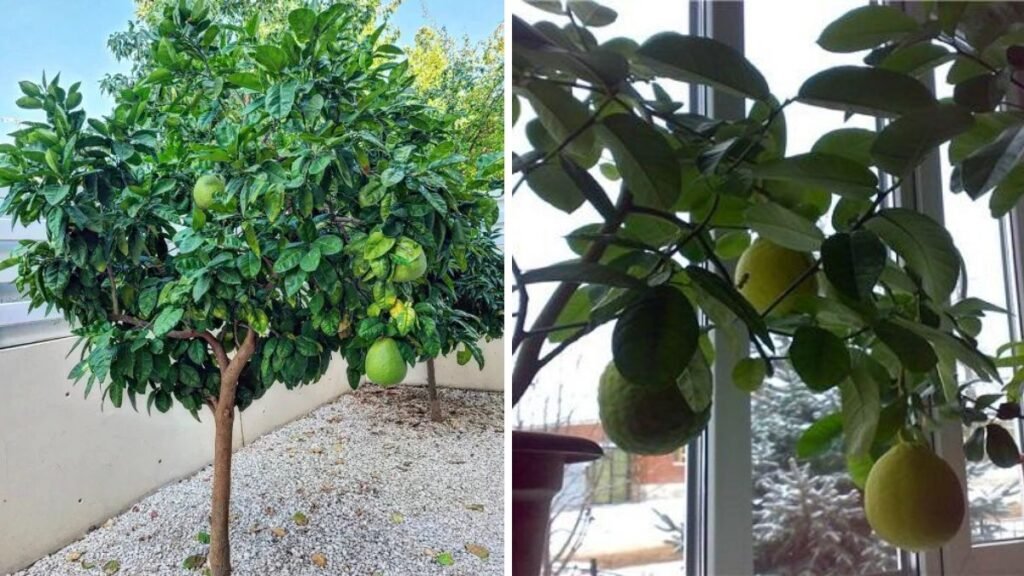
Pomelo trees require loose, fertile, and well-draining soil. Sandy loam enriched with organic compost works best. Heavy clay soil must be amended with sand and compost. Soil should retain moisture without waterlogging. Slightly acidic to neutral soil pH is ideal. Good soil aeration prevents root diseases. Preparing soil properly is essential for long-term growth. Healthy soil supports flowering and fruit size.
6. Container Selection for Home Growing
For home gardening, large containers are recommended. The pot should be deep and wide to allow root expansion. Drainage holes are essential to prevent water stagnation. Clay, cement, or grow bags work well. Containers allow mobility and climate control. Pomelo adapts well to container growth if space is sufficient. Choosing the right container ensures healthy root development. Bigger containers result in better fruit yield.
7. Planting the Pomelo Sapling
Dig a hole larger than the root ball. Place the plant carefully without disturbing roots. Fill soil gently around the base. Press lightly to remove air pockets. Water immediately after planting. Avoid planting too deep. Mulch around the plant to retain moisture. Proper planting ensures quick establishment and growth.
8. Sunlight Requirements
Pomelo trees require full sunlight for best growth. At least six to eight hours of direct sun is essential. Sunlight promotes flowering and fruit sweetness. Insufficient light results in weak growth and fewer fruits. Containers should be placed in open sunny areas. Rotate pots occasionally for uniform growth. Adequate sunlight is the key to high-quality pomelo fruits. Light exposure directly affects yield.
9. Watering Schedule
Pomelo trees prefer deep but infrequent watering. Overwatering can cause root rot. Young plants need more frequent watering. Mature trees tolerate short dry periods. Soil moisture should be consistent. Mulching helps conserve water. During flowering and fruiting, proper watering is crucial. Balanced irrigation improves fruit size and juiciness.
10. Fertilization and Nutrition
Pomelo trees are heavy feeders. Organic compost, vermicompost, and cow manure work well. Balanced citrus fertilizer supports growth. Nitrogen promotes leaf growth. Phosphorus helps root and flower development. Potassium improves fruit quality. Fertilize every four to six weeks during growing season. Proper nutrition ensures healthy foliage and abundant fruits.
11. Pruning and Shaping
Pruning helps maintain tree shape and size. Remove dead, weak, or crossing branches. Pruning improves airflow and sunlight penetration. Container trees require regular shaping. Avoid heavy pruning during flowering. Pruning stimulates new growth and fruiting branches. A well-shaped tree is easier to manage. Proper pruning improves overall productivity.
12. Flowering Stage of Pomelo
Pomelo trees usually flower once a year. White fragrant flowers appear in clusters. Healthy nutrition and sunlight encourage flowering. Stress conditions may reduce bloom. Flowering stage determines future yield. Bees and insects assist in pollination. Hand pollination can be done if needed. Proper care during flowering ensures fruit setting.
13. Pollination and Fruit Set
Pomelo flowers are mostly self-pollinating. Insects improve fruit set naturally. Poor pollination leads to fruit drop. Avoid pesticides during flowering. Healthy flowers convert into fruits gradually. Environmental stability is important. Pollination success decides fruit quantity. Balanced care during this stage is essential.
14. Fruit Development and Growth
Pomelo fruits grow slowly over several months. Young fruits are green and firm. Proper watering and nutrients are critical. Fruit size increases steadily. Thinning excess fruits improves quality. Container trees may produce fewer but sweeter fruits. Avoid stress during fruit development. Patience results in large, flavorful pomelos.
15. Pest and Disease Management
Common pests include aphids, citrus leaf miners, and mites. Fungal diseases occur due to excess moisture. Neem oil and organic sprays are effective. Regular inspection prevents infestation. Good airflow reduces disease risk. Avoid chemical overload. Healthy plants resist pests naturally. Prevention is always better than cure.
16. Harvesting Pomelo Fruits
Pomelo fruits are ready when skin turns pale yellow. Fruits feel heavy and aromatic. Harvest using sharp tools. Avoid pulling fruits forcefully. Harvesting time affects sweetness. Late harvest improves flavor. Handle fruits gently to avoid damage. Proper harvesting ensures long shelf life.
17. Post-Harvest Handling
Wash fruits gently after harvesting. Store in cool, dry areas. Pomelos have long shelf life. Avoid stacking fruits. Use fruits fresh or for juice. Proper handling maintains flavor and nutrition. Homegrown pomelos taste superior. Good storage preserves quality.
18. Benefits of Growing Pomelo at Home
Homegrown pomelos are chemical-free and fresh. Trees enhance garden beauty. Container growing suits urban homes. Long-term yield provides cost savings. Gardening reduces stress and improves health. Pomelo fruits are rich in vitamins. Home cultivation ensures food security. Growing pomelo is both rewarding and sustainable.
19. Common Problems and Solutions
Yellow leaves indicate nutrient deficiency. Poor fruiting suggests lack of sunlight. Root rot occurs due to overwatering. Slow growth may indicate poor soil. Adjust care accordingly. Regular monitoring prevents major issues. Simple corrections restore plant health. Knowledge helps solve problems easily.
20. Conclusion
Growing pomelo at home is highly achievable with proper care. Selecting good plants, soil, and containers ensures success. Sunlight, watering, and fertilization are crucial. Pruning and pest management improve yield. Patience is rewarded with large, juicy fruits. Pomelo trees are long-term investments. Home gardeners can enjoy fresh citrus for years. This guide provides everything needed for success.
📊 Pomelo Growing Summary Table
| Aspect | Requirement | Benefit |
|---|---|---|
| Sunlight | Full sun daily | Improves flowering and fruit size |
| Soil | Well-draining fertile soil | Prevents root diseases |
| Watering | Deep but controlled | Enhances fruit quality |
| Fertilizer | Organic and balanced | Increases yield and sweetness |