1. Introduction to Lulo Flowering
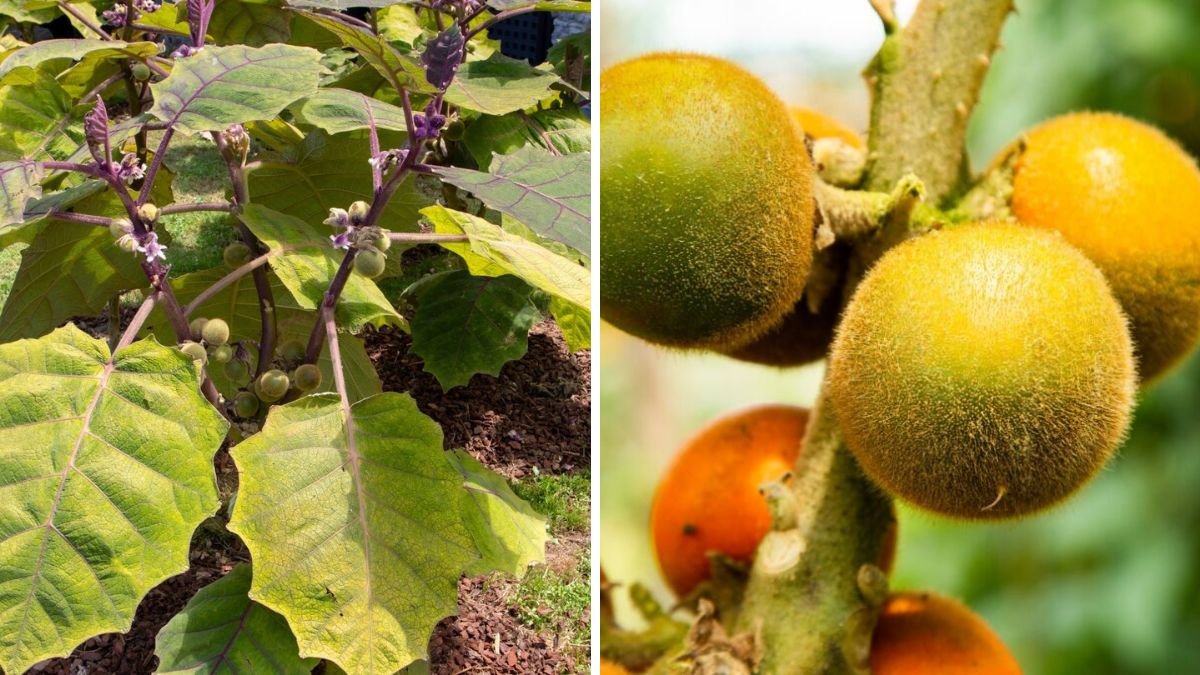
Seeing the first lulo flower is exciting for gardeners. It marks the transition from growth to fruiting. Lulo flowers are large and striking. Their appearance signals plant maturity. Proper care ensures successful blooming. Flowers resemble potato blossoms. This stage determines yield. Understanding flowering improves success.
2. Recognizing a Healthy Lulo Plant
Healthy lulo plants show vigorous leaf growth. Leaves are large and deep green. Stems are sturdy and upright. No discoloration should be present. Healthy plants flower earlier. Good nutrition supports strength. Plant health affects bloom quality. Observation is important.
3. Timing of First Flower
Lulo plants flower several months after planting. Climate affects flowering time. Warm temperatures speed development. Stress delays blooms. Consistent care encourages timely flowering. Container plants may flower slightly later. Patience is required. Timing varies naturally.
4. Appearance of Lulo Flowers
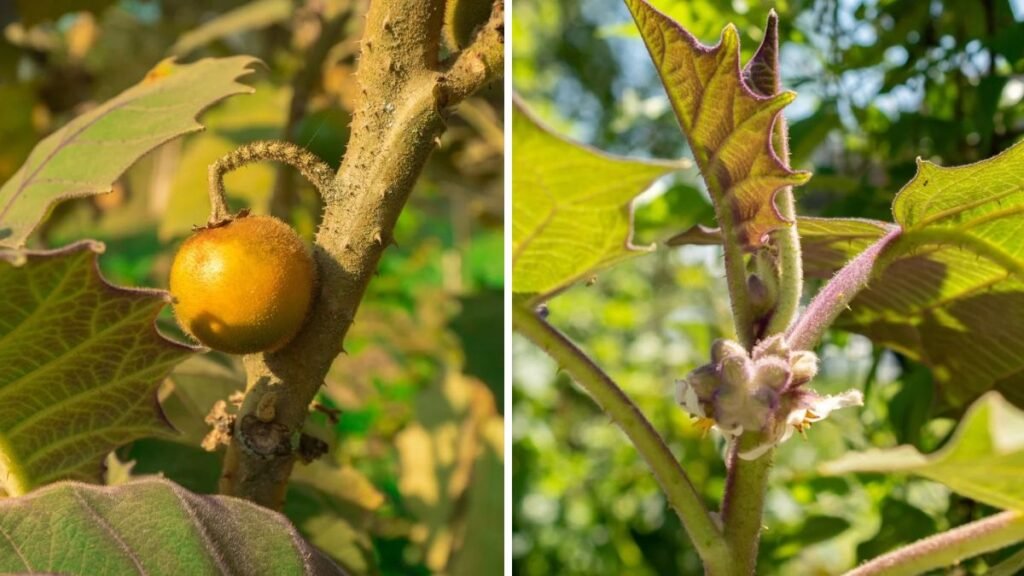
Lulo flowers are pale purple with yellow centers. They are large and star shaped. Flowers resemble giant potato flowers. Blooms appear in clusters. The petals are delicate. Flowers open fully during warm days. Their beauty is striking. Bloom health matters.
5. Conditions Needed for Blooming
Proper light encourages flowering. Partial shade is ideal. Balanced nutrition supports blooms. Excess nitrogen delays flowers. Temperature stability is crucial. Water stress prevents blooming. Healthy roots are essential. Blooming depends on balance.
6. Role of Temperature
Warm temperatures promote flower development. Cold stress causes bud drop. Sudden temperature changes reduce blooms. Stable warmth improves success. Indoor growers must manage temperature. Avoid frost exposure. Temperature consistency matters. Flowers respond to climate.
7. Watering During Flowering
Adequate moisture supports flowers. Overwatering causes bud drop. Dry soil stresses blooms. Water deeply but carefully. Mulch maintains moisture. Container plants dry faster. Adjust watering accordingly. Balanced moisture is key.
8. Fertilizing at Bloom Stage
Switch to low nitrogen fertilizer. Phosphorus supports flower formation. Potassium improves flower strength. Organic feeding works well. Avoid over fertilizing. Feed lightly but consistently. Nutrition affects fruit set. Proper feeding is essential.
9. Pollination of Lulo Flowers
Lulo flowers require pollination to set fruit. Bees are natural pollinators. Indoor plants need hand pollination. Gently transfer pollen between flowers. Pollination ensures fruit formation. Lack of pollinators reduces yield. Proper technique improves success. Pollination is critical.
10. Flower Drop Causes
Flower drop occurs due to stress. Temperature fluctuations cause drop. Nutrient imbalance contributes. Water stress is common. Lack of pollination leads to drop. Excess nitrogen causes leaf growth instead. Monitoring prevents problems. Stability prevents drop.
11. From Flower to Fruit
After pollination, flowers form small fruits. Fruit enlarges gradually. Successful pollination is visible quickly. Adequate care supports growth. Fruits develop over several weeks. Stress slows development. Patience is necessary. Fruit formation is rewarding.
12. Supporting Fruit Growth
Provide support for heavy branches. Stakes prevent bending. Adequate nutrients support fruit. Consistent watering is required. Avoid disturbing the plant. Protection improves yield. Proper care ensures fruit quality. Support is beneficial.
13. Pest Control During Bloom
Avoid chemical sprays during flowering. Neem oil should be used cautiously. Inspect plants regularly. Remove pests manually if possible. Healthy plants resist pests. Prevention is better than cure. Pest management protects flowers. Gentle methods work best.
14. Disease Risks During Flowering
High humidity promotes fungal disease. Improve airflow around plants. Avoid wetting flowers directly. Remove diseased parts promptly. Clean tools reduce risk. Healthy plants resist infection. Prevention saves blooms. Hygiene is essential.
15. Fruit Development Timeline
Fruits take weeks to mature. Color changes indicate ripeness. Warm weather speeds ripening. Nutrient availability affects size. Stress delays maturity. Monitor fruit regularly. Harvest at correct time. Timeline varies naturally.
16. Harvesting After First Flower
First harvest is exciting for growers. Harvest fruits when fully orange. Use sharp tools. Avoid damaging branches. Handle fruit gently. Proper timing improves flavor. First harvest confirms success. Care continues after harvest.
17. Learning from First Flower
First flowering teaches valuable lessons. Adjust care based on results. Improve feeding and watering. Observe plant response. Each cycle improves success. Experience builds confidence. Learning never stops. Gardening is adaptive.
18. Improving Future Flowering
Prune lightly after harvest. Improve soil fertility. Adjust light exposure. Monitor temperature closely. Improve pollination efforts. Regular care increases blooms. Future yields improve. Experience enhances results.
19. Benefits of Growing Lulo at Home
Homegrown lulo ensures freshness. Flowers add ornamental beauty. Gardening satisfaction increases. Fruits are nutritious and unique. Home cultivation saves money. Skill development continues. Exotic plants excite gardeners. Benefits are lasting.
20. Conclusion
The first lulo flower marks a major milestone. Proper care leads to successful fruiting. Understanding flowering improves yields. Consistency is key to success. Even beginners can succeed. Lulo rewards patience generously. From bloom to harvest, it is satisfying. Growing lulo is worthwhile.
📊 Table: Lulo Flower to Fruit Care Guide
| Stage | Key Requirement | Result |
|---|---|---|
| Flowering | Stable temperature | Successful blooms |
| Pollination | Insects or hand | Fruit formation |
| Nutrition | Low nitrogen feed | Strong flowers |
| Watering | Consistent moisture | Healthy fruit |