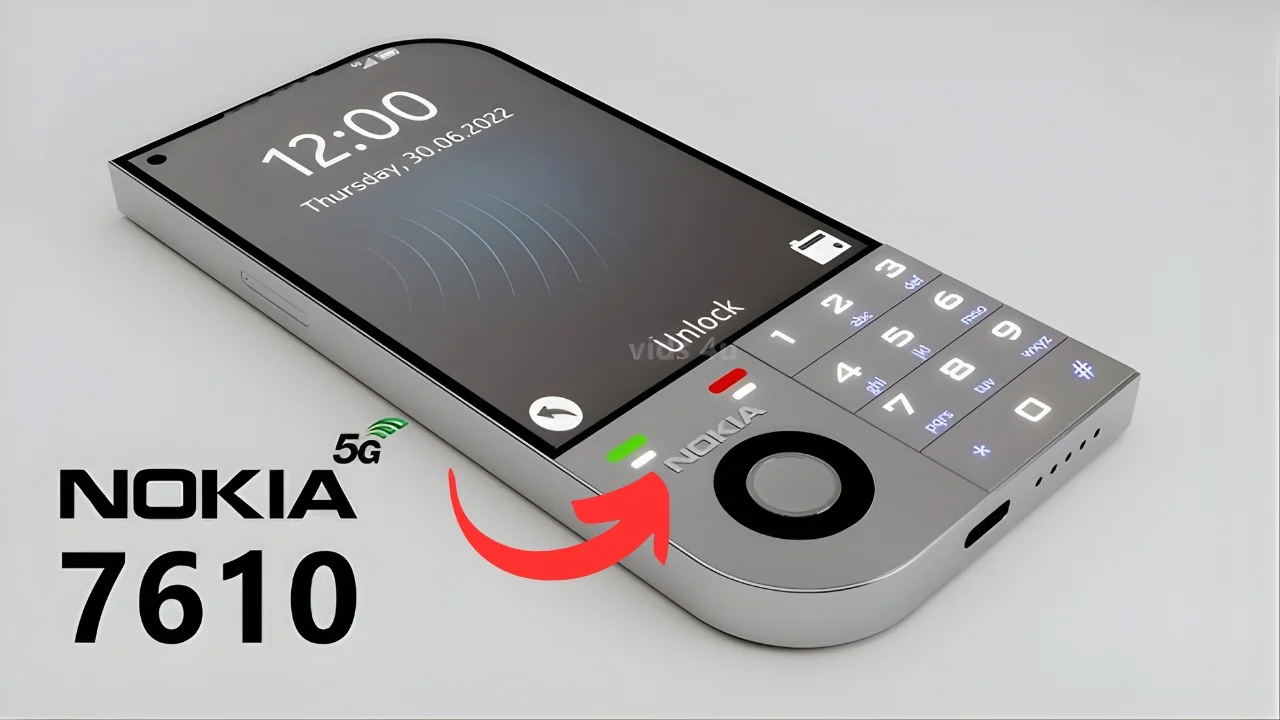
Nokia 7610 : Nokia 7610 arrived in 2004 as the first Series 60 smartphone with a camera, bridging feature phones to true computing power through its revolutionary 1MP shooter and Symbian OS capabilities.
Priced around ₹15,000 back then, this 118g slider captured imaginations of early tech enthusiasts experimenting with MMS messaging and basic video editing when flip phones dominated.
Even in 2026, its legacy endures through collector markets and nostalgia projects, proving Nokia built computing dreams into pocketable form factors long before iPhone redefined the category.
Slider Innovation Opened New Possibilities
Measuring 109 x 53 x 19mm, the 7610 fit comfortably in 2004 palms, titanium-strength plastic chassis sliding smoothly to reveal QWERTY keyboard perfect for thumb-typing emails during train commutes.
Ruby Red and Onyx Black finishes turned heads in college canteens, mini-SIM slot gripping cards through sweaty festivals that destroyed lesser phones.
2.1-inch TFT LCD glowed 176 x 208 pixels at 130ppi—revolutionary resolution showing full-color websites and crisp contact photos simultaneously.
RS-MMC slot swallowed 64MB cards for MP3 hoards or custom ringtones, integrated 1MB internal storage holding 250 contacts with photo caller ID.
No 3G connectivity stung slightly, but tri-band GSM 900/1800/1900 locked rural signals where competitors dropped calls.
Nokia engineered slider magic transforming basic calling into portable computing, thriving when BlackBerry keyboards felt corporate and futuristic.
1MP Camera Pioneered Mobile Photography
VGA 1MP sensor with 4x digital zoom captured daylight family portraits decently for 2004, 640×480 subQCIF video recording 10-minute clips that predated YouTube’s Indian launch.
LED flash illuminated birthday cakes dimly, self-timer enabling group shots at weddings, sequential shots grabbing kids’ first steps fleetingly.
Movie director mode overlaid date stamps and titles, picture editor cropping birthday cards perfectly.
No autofocus disappointed slightly, but landscape/portrait modes flipped orientations intelligently, white balance presets tuning skin tones naturally across lighting.
MMS compression shrunk 300KB photos to 40KB sendable sizes instantly, predating Instagram Stories by nearly a decade.
Nokia birthed mobile photography when cameras felt like gimmicks, empowering users to document life’s unscripted moments visually.
Battery Marathon Powered Weeklong Adventures
900mAh BL-5C Li-Ion delivered 250 hours standby or 3 hours talk time, sipping power so efficiently single charges powered entire college fests from morning registrations to midnight afterparties.
Removable battery swapped during festivals when sockets vanished, Pop-Port charger working from cigarette lighters to hostel generators universally.
Vibration alerts rumbled discreetly through jeans pockets, 39 polyphonic ringtones cutting market chaos unmistakably.
Torch functionality doubled emergency lights during power cuts, games pausing intelligently when calls arrived.
Nokia engineered endurance redefining “reliable,” making daily charging feel luxurious when rivals demanded outlets hourly.
Survival Stories Built Cult Legend Status
Hostel legends recounted 7610s surviving washing machine cycles, terrace falls, and Holi color baths, plastic housing cracking externally while motherboards hummed flawlessly.
Engineering students flashed custom CFW enabling DivX playback and SIP VoIP calls years before WhatsApp, repair shops swapping sliders for ₹200 versus ₹20,000 modern screen replacements.
Overseas workers sent indestructible lifelines connecting villages through roaming charges, N-Gage QD gaming sessions dominating bus journeys interminably.
Second-hand markets thrived on barely-scratched units, collector Facebook groups trading Ruby Red originals for ₹5,000 premiums.
Nokia 7610 became folklore—more computing companion than calling tool, connecting generations through life’s rawest moments unscripted.
Ownership Made Smartphone Dreams Accessible
Original ₹15,000 positioned premium yet attainable, service centers stocking parts two decades later miraculously.
Batteries cost ₹300, keypads ₹150, full rebuilds ₹800 versus flagship repair bills crippling budgets today. Resale held 65% value years later, passed between cousins like heirlooms digital.
No software updates needed when hardware outlasted fashion cycles, universal chargers working farm generators to office UPS.
Against Sony Ericsson’s flashier cyber-shots or Motorola’s Razr thinness, 7610 won through computing depth—repairman wisdom: “Nokia 7610 never truly dies.” Ownership math favored expandable over disposable always.
Modern Echoes Inspire Nostalgia Revival
2026 concept renderings blend original slider mechanism with modern guts—120Hz AMOLED sliders, 108MP cameras in 109mm form factors—YouTube creators showcasing Symbian hacks running WhatsApp Lite through engineering wizardry.
Feature phone revival taps digital detox trend, tactile keyboards clicking satisfyingly beside USB-C ports.
HMD Global experiments preserve Series 60 UI skinned atop Android Go, honoring first camera phone heritage.
Originals command ₹8,000 collector premiums, modders grafting LED torches while preserving soul intact. Nokia 7610 proves minimalism endures when everyone chases maximalism relentlessly.
Also Read This : Honor Magic 7 Pro 5G – 100W fast charging with long lasting battery smartphone
Why Nokia 7610 Remains Computing Legend
Nokia 7610 mastered smartphone essentials before category existed, delivering slider computing and camera capture when mobile photography felt science fiction.
Its Symbian multitasking and weeklong battery redefined reliability for India’s early digital pioneers graduating from monochrome bricks.
Hunt originals on OLX or embrace modern homages—true pioneers never fade, they inspire rediscovery eternal