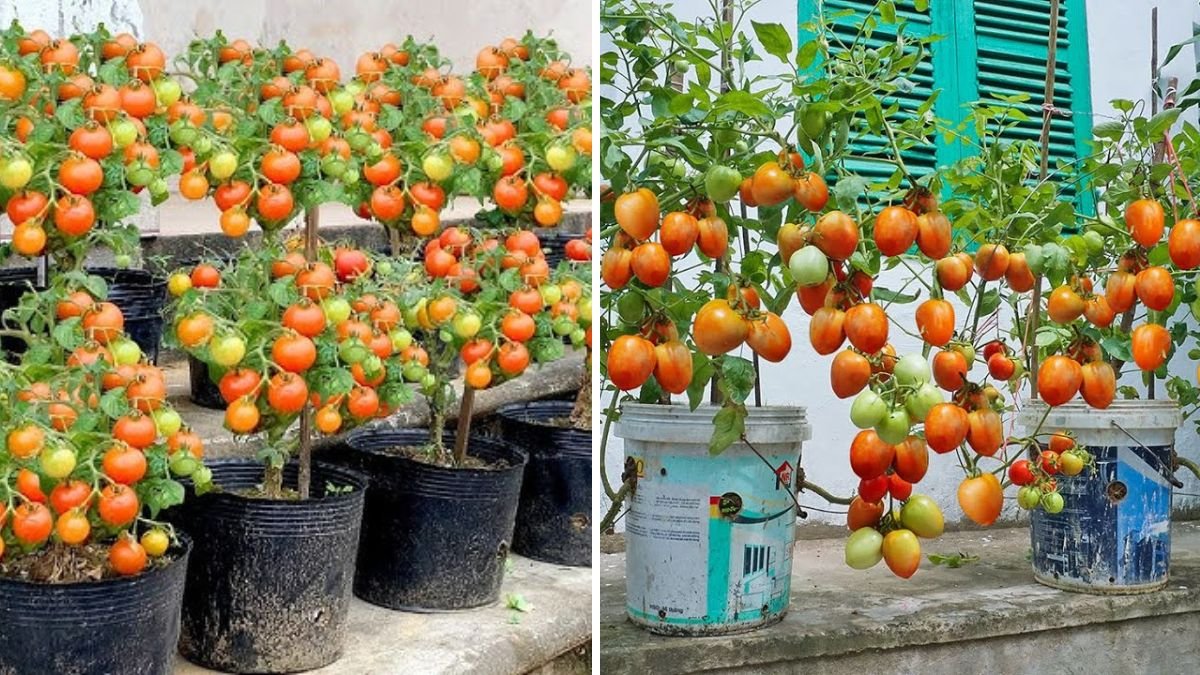
Few things are more frustrating for gardeners than seeing healthy tomato plants suddenly stop producing flowers and fruits. You may have watered diligently, applied fertilizer, and cared for them like a pro—but the fruits just won’t set. Understanding why tomato plants stop fruiting is crucial to rescuing your garden and ensuring a bountiful harvest.
In this comprehensive guide, we’ll explore the most common reasons tomato plants stop producing, how to identify each problem, and practical solutions to get your plants back on track.
🌱 Introduction: The Fruiting Puzzle
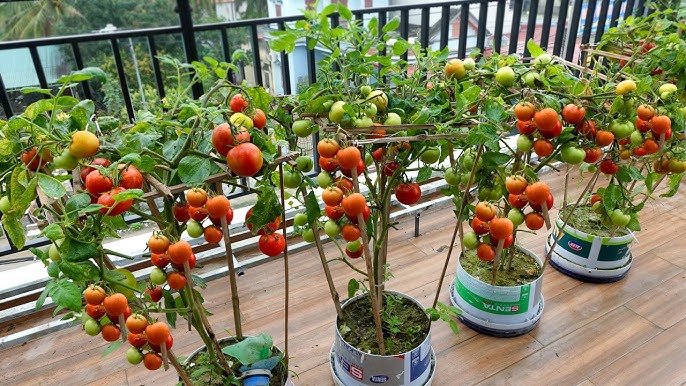
Tomato plants go through several growth stages: vegetative growth (leaves and stems), flowering, and fruiting. Sometimes, even mature plants fail to transition to fruiting, leaving gardeners scratching their heads.
Why Fruiting Is Important
- Fruits are the ultimate reward for your effort
- Fruiting signals a healthy plant
- Continuous fruiting ensures a steady harvest
Many factors influence fruit production, including environmental conditions, nutrition, plant health, and pollination.
🌞 1. Environmental Stress: Temperature and Sunlight
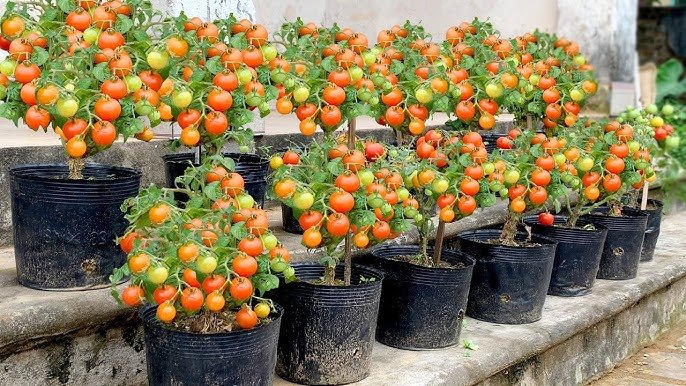
Tomatoes are sensitive to environmental changes. Temperature extremes and insufficient sunlight can halt fruiting.
✔️ Temperature
- Optimal fruiting temperatures: 21–24°C (day), 16–18°C (night)
- Too hot (above 30°C): Flowers drop, fruit set fails
- Too cold (below 12°C): Flowers fail to form, growth slows
✔️ Sunlight
- Tomatoes need 6–8 hours of direct sunlight daily
- Insufficient light leads to weak flowering and no fruiting
💡 Solution:
- Plant tomatoes in full sun or provide supplemental grow lights
- Mulch to regulate soil temperature
- Use shade cloth in extreme heat
💧 2. Watering Problems: Too Much or Too Little
Water is critical for healthy fruiting. Both under-watering and over-watering can stress plants.
✔️ Signs of Water Stress
- Wilting or curling leaves
- Flower drop or yellowing
- Cracked or malformed fruits
💡 Solution:
- Maintain even soil moisture
- Water deeply 2–3 times per week, depending on climate
- Use mulch to retain soil moisture
🌿 3. Nutrient Imbalance: Fertilizer Problems
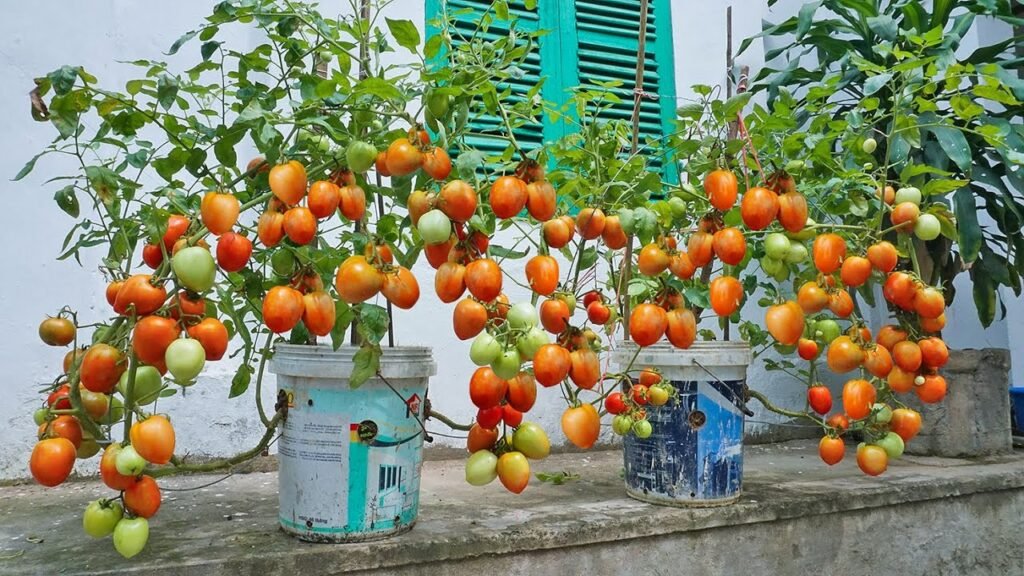
Tomatoes require balanced nutrients for vegetative growth, flowering, and fruiting. Improper fertilization often leads to excessive leaves but no fruits.
✔️ Too Much Nitrogen
- Stimulates leafy growth
- Reduces flower and fruit production
- Causes dark green, lush plants with few blooms
✔️ Lack of Phosphorus and Potassium
- Essential for flowering and fruit development
- Deficiency results in poor or no fruiting
💡 Solution:
- Use a balanced NPK fertilizer (e.g., 10-10-10) during vegetative growth
- Switch to a high phosphorus and potassium fertilizer (e.g., 5-10-10) once flowering starts
- Apply compost or organic fertilizers for slow nutrient release
🐝 4. Poor Pollination: Why Flowers Don’t Turn into Fruit
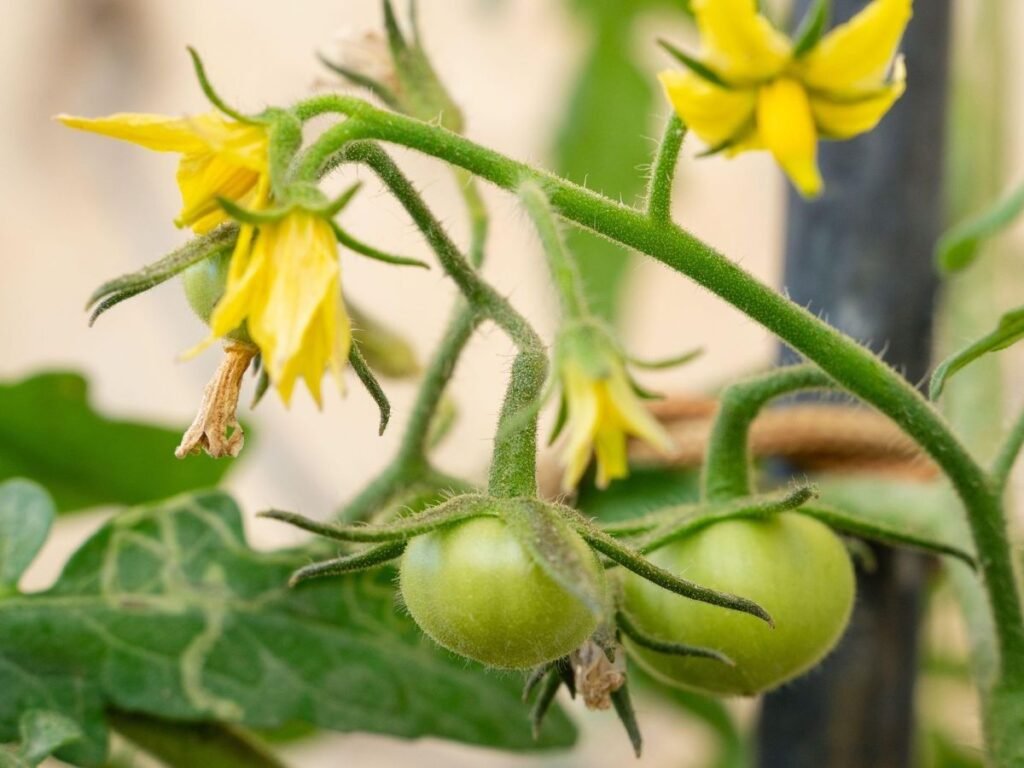
Even if flowers bloom, fruits won’t form without proper pollination. Tomato flowers are self-pollinating but still require vibration or wind to transfer pollen.
✔️ Causes of Poor Pollination
- Lack of pollinators (bees, insects)
- Stagnant air with no wind
- Extreme heat causing pollen sterility
💡 Solution:
- Gently shake flowers to simulate pollination
- Use a soft brush or electric toothbrush to vibrate flowers
- Encourage bees and pollinators in your garden
- Avoid spraying pesticides during flowering
🐛 5. Pests and Diseases: Hidden Culprits
Pests and diseases can weaken tomato plants and halt fruiting.
✔️ Common Pests
- Aphids: Suck plant sap, causing flower drop
- Whiteflies: Weaken plants and transmit viruses
- Spider mites: Damage leaves and reduce photosynthesis
✔️ Common Diseases
- Fusarium wilt: Causes stunted growth and flower drop
- Blossom end rot: Calcium deficiency shows on fruits
- Tomato mosaic virus: Leads to deformed flowers and fruits
💡 Solution:
- Inspect plants regularly for pests
- Use organic controls (neem oil, insecticidal soap)
- Remove infected plant parts promptly
- Practice crop rotation and proper sanitation
🌿 6. Pruning and Plant Management Mistakes
Tomato plants require proper pruning and support for optimal fruiting.
✔️ Problems from Improper Pruning
- Overcrowded branches reduce sunlight penetration
- Too many leaves divert energy from flowers and fruits
- Lack of staking causes plant stress and flower drop
💡 Solution:
- Remove suckers (side shoots) below the first flower cluster
- Prune excess foliage for better airflow and light
- Use stakes, cages, or trellises for support
🌼 7. Variety Selection: Some Tomatoes Are Slow to Fruit
Some tomato varieties naturally take longer to produce fruits or are sensitive to environmental conditions.
✔️ Tips
- Choose early-maturing or heat-tolerant varieties for faster fruiting
- Check the days to maturity on seed packets
- Avoid planting cold-sensitive varieties in winter or hot-sensitive varieties in summer
🌞 8. Stress from Transplant Shock or Root Damage
Tomatoes have sensitive roots. Stress during transplanting or root damage can delay flowering and fruiting.
✔️ Signs
- Wilting after transplant
- Leaf drop
- Flowering delay
💡 Solution:
- Handle seedlings gently when transplanting
- Water immediately after transplant
- Avoid disturbing roots too often
🍅 9. Hormonal Imbalance and Flower Drop
Tomatoes naturally produce hormones like auxins and gibberellins that regulate flowering. Stress, heat, or nutrient imbalance can disrupt this balance, causing blossom drop and preventing fruit set.
💡 Solution:
- Maintain consistent care (watering, nutrition, sunlight)
- Use foliar sprays of calcium or plant growth regulators if necessary
- Reduce stressors like extreme temperature or wind
🌟 Tips to Encourage Fruiting and Boost Harvest
- Pinch early flowers: Remove the first few flower clusters to strengthen the plant.
- Provide even watering: Avoid drought or waterlogging.
- Apply balanced fertilizer: Adjust NPK ratios for fruiting.
- Enhance pollination: Shake flowers or use pollinator-friendly practices.
- Prune and stake properly: Ensure light penetration and airflow.
- Mulch around roots: Maintain moisture and regulate temperature.
- Monitor pests and diseases: Treat problems early.
🌳 Conclusion: Understanding Your Tomato Plants
Tomatoes are resilient but sensitive plants. If your tomato plants have stopped fruiting, the cause is usually environmental stress, nutrient imbalance, poor pollination, or plant mismanagement. By carefully observing your plants, correcting deficiencies, managing water and nutrients, and promoting pollination, you can restore flowering and fruit production.
With patience and consistent care, your tomato plants will return to producing juicy, healthy fruits—ensuring a rewarding harvest season after season. 🍅🌿