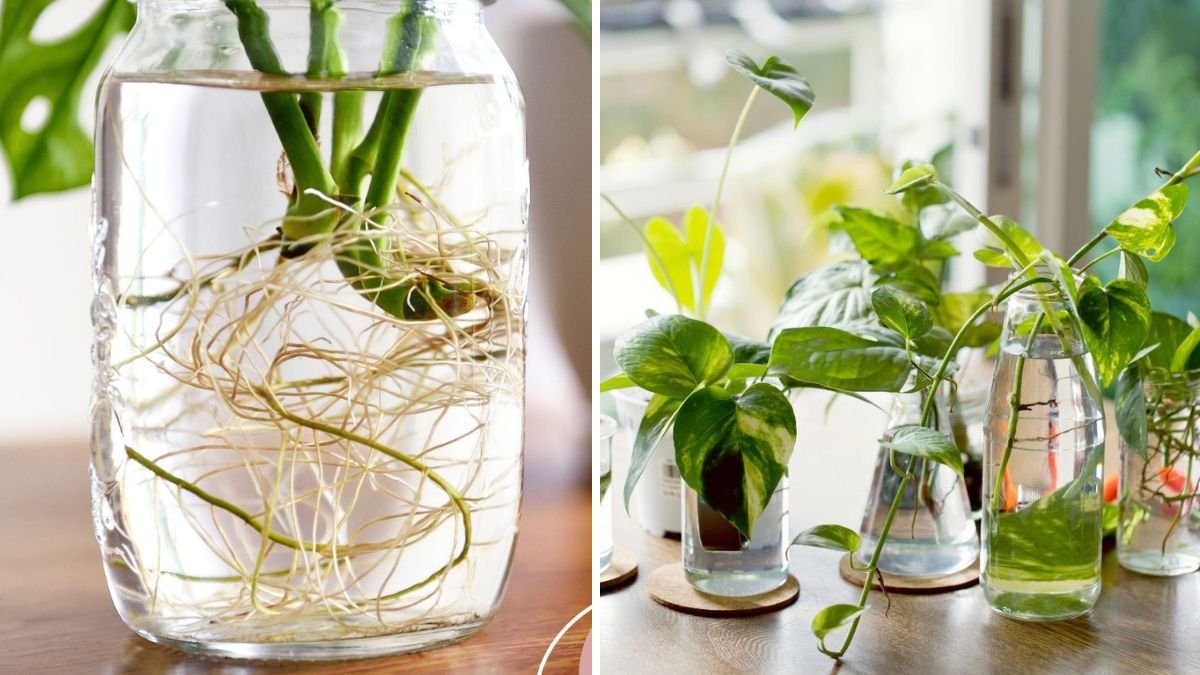
Plant propagation is one of the most satisfying gardening practices. Watching a tiny cutting grow roots and develop into a full-fledged plant gives gardeners a sense of achievement and pride. But for many home gardeners, cuttings keep dying, leaving them frustrated and ready to give up.
If you’ve been struggling with this, you’re not alone. The truth is, most failed cuttings aren’t a result of bad luck—they’re caused by common mistakes that are easy to fix. This guide will reveal why plant cuttings die and how to propagate them successfully every time.
🌿 1. Understanding Plant Cuttings
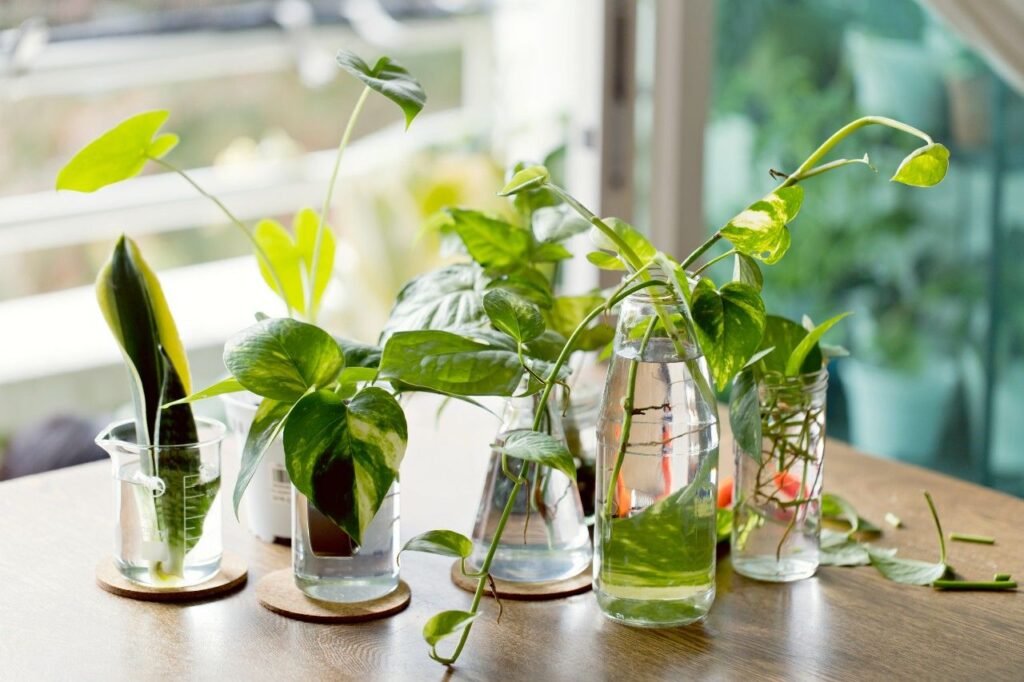
A plant cutting is simply a piece of a parent plant—usually a stem, leaf, or root—that is encouraged to grow into a new plant. Cuttings are a cost-effective way to multiply your favorite plants without buying seeds or new plants.
Cuttings can fail due to environmental factors, improper technique, or diseases. Understanding the plant’s needs is the first step toward success.
✂️ 2. Choosing the Right Cutting
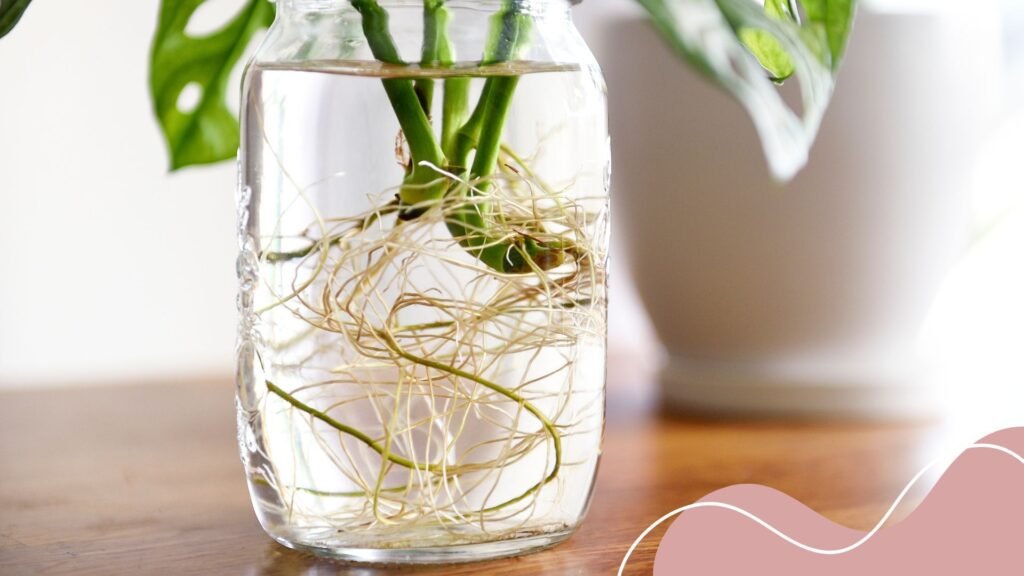
Many gardeners fail because they choose the wrong part of the plant. Not all cuttings are equal.
✔ Stem Cuttings
- Most common method
- Ideal for plants like hibiscus, rose, pothos, and money plant
- Should have 2–3 nodes
✔ Leaf Cuttings
- Works for succulents, begonias, and African violets
- Must be healthy and undamaged
✔ Root Cuttings
- For plants like dahlia or ginger
- Requires a small section of root with a bud
🔑 Tip:
Always use healthy, disease-free plant material. Avoid weak, yellowing, or damaged parts.
🌱 3. Using the Right Tools
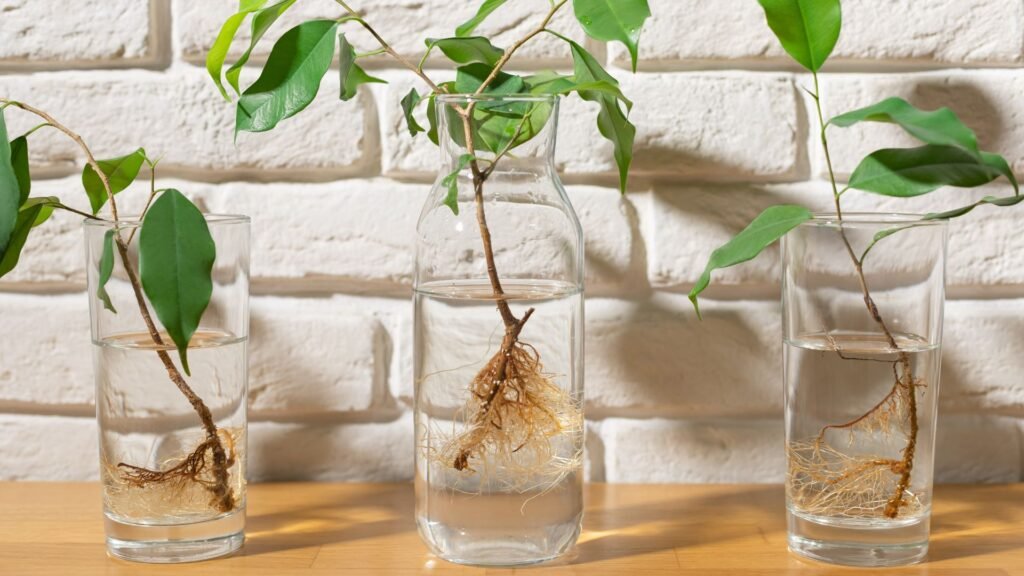
Using dirty or improper tools is a major reason cuttings fail.
✔ Essentials:
- Sharp, clean scissors or pruning shears
- Clean pots or containers
- Sterilized soil or growing medium
- Optional: rooting hormone
Pro tip: Sterilize your tools with alcohol before making cuttings to prevent infections.
💧 4. Watering Mistakes That Kill Cuttings
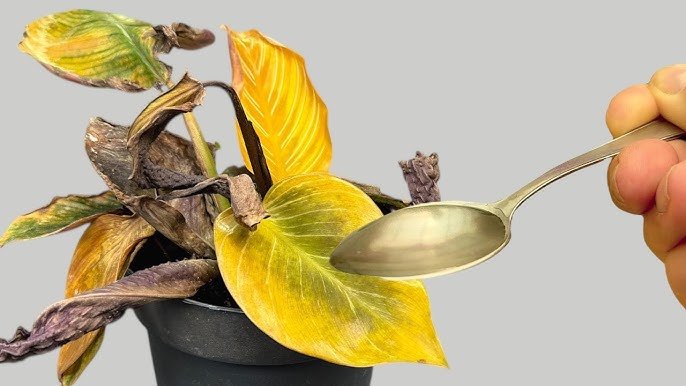
Cuttings are delicate—they need moisture, but too much or too little water can kill them.
❌ Common Mistakes:
- Waterlogging the medium → roots rot
- Letting soil dry out completely → cutting desiccates
- Misty watering on leaves of non-succulent plants → fungal growth
✔ Fix:
- Keep the soil or medium consistently moist but not soggy
- Use a spray bottle for gentle misting
- Cover cuttings with a clear bag or plastic dome to maintain humidity
🌞 5. The Right Light Conditions
Cuttings need light to grow but not too much direct sun.
❌ Common Mistakes:
- Direct sunlight → scorches tender cuttings
- Dark corners → slow growth, weak roots
✔ Solution:
- Bright, indirect sunlight is ideal
- Use fluorescent grow lights for indoor propagation
- Rotate cuttings occasionally for even growth
🌡️ 6. Temperature and Humidity Problems
Cuttings are sensitive to temperature and humidity. Extreme conditions stunt growth or kill them.
❌ Common Mistakes:
- Cold drafts → shock and die-back
- Overheating → dries out cuttings
- Low humidity → slows root formation
✔ Ideal Conditions:
- Temperature: 20–25°C (68–77°F)
- Humidity: 50–70% for most tropical plants
- Cover cuttings with a plastic bag or mini greenhouse to retain moisture
🧪 7. Using Rooting Hormones
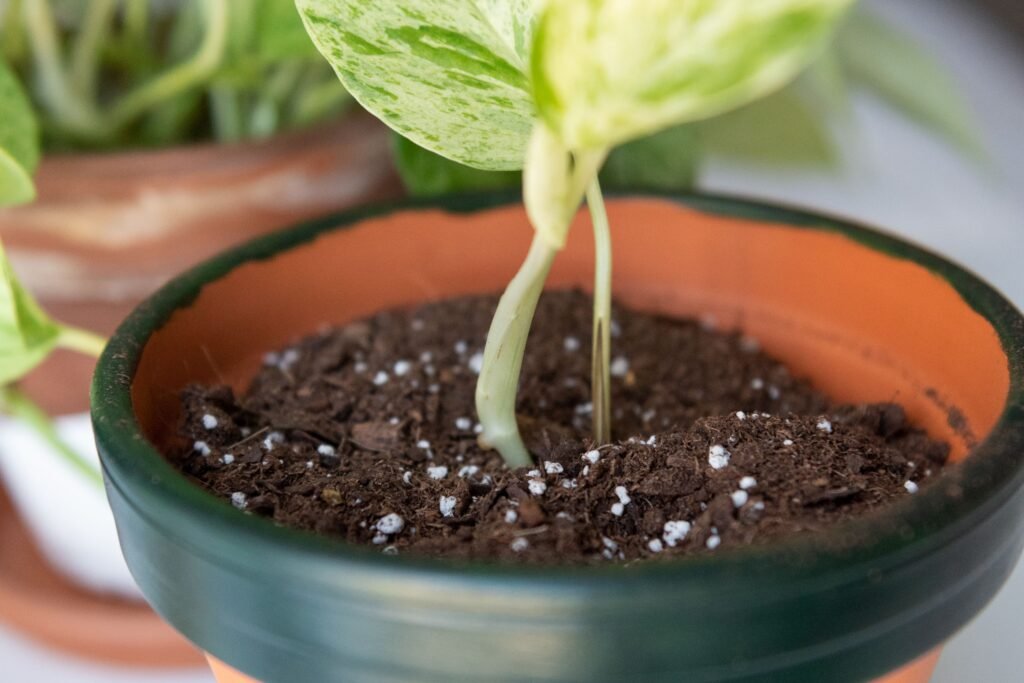
Rooting hormones stimulate root development. While optional, they dramatically improve success rates.
✔ How to Use:
- Dip the cut end in a rooting hormone powder or gel
- Tap off excess
- Insert the cutting into moist soil or sand
Tip: Do not overuse hormones—they are powerful and can damage delicate cuttings if applied excessively.
🪴 8. Choosing the Right Growing Medium
Using the wrong soil can doom cuttings.
❌ Common Mistakes:
- Heavy garden soil → retains too much water, drains poorly
- Fertilized soil → burns tender cuttings
✔ Ideal Mediums:
- Cocopeat or coco coir
- Perlite and sand mix
- Vermiculite
- Light potting mix without added fertilizers
Bonus tip: Use a sterile medium to avoid fungal infections.
✂️ 9. Correct Cutting Technique
Even slight mistakes in cutting technique can make cuttings fail.
✔ Guidelines:
- Cut just below a node (where roots grow)
- Make clean, diagonal cuts for more surface area
- Remove lower leaves to prevent rot
- Leave 1–2 top leaves for photosynthesis
🪱 10. Common Diseases That Kill Cuttings
Fungal and bacterial infections are frequent culprits.
❌ Problems:
- Damping-off → fungal rot at the base
- Leaf spots → weaken cutting
- Root rot → too much water
✔ Prevention:
- Sterilize soil and tools
- Avoid overcrowding cuttings
- Provide good airflow
- Use fungicide if needed
🌿 11. Patience Is Key
Many beginners fail because they expect instant results. Root development can take 1–4 weeks depending on the plant type.
✔ Tips:
- Avoid disturbing cuttings too soon
- Keep checking moisture and humidity
- Wait for visible new growth before transplanting
Remember: Rushing the process often leads to failure.
🌱 12. Transplanting Cuttings Safely
Once roots form, cuttings need a gentle transition to pots or soil.
✔ How to Transplant:
- Use a pot with well-draining soil
- Plant roots carefully to avoid damage
- Water lightly after transplanting
- Keep in shaded area for a few days to reduce shock
Proper transplanting ensures your cutting survives and grows vigorously.
🌼 13. Tips to Improve Success Rates
Here are some secrets many gardeners overlook:
🌟 Use Semi-Hardwood Cuttings
- Mature but not old stems root better than very young or woody stems.
🌟 Bottom Heat
- Use a seedling mat to slightly warm the medium
- Stimulates faster root formation
🌟 Avoid Overcrowding
- Each cutting should have space and airflow
🌟 Keep Records
- Track success rates and techniques
- Learn which cuttings grow fastest and healthiest
🌿 14. Quick Summary of Common Mistakes and Fixes
| Mistake | Why it kills cuttings | Fix |
|---|---|---|
| Overwatering | Roots rot | Keep soil moist, not soggy |
| Too little light | Slow root growth | Bright, indirect sunlight |
| Wrong cutting technique | No roots | Cut just below node, remove lower leaves |
| Low humidity | Leaves dry | Cover with plastic bag or mini greenhouse |
| Using diseased material | Infection spreads | Use healthy, strong cuttings |
| Impatient transplanting | Shock | Wait until roots form |
🌱 15. Final Thoughts
Plant propagation can be frustrating if you don’t understand why cuttings fail, but once you master the basics, it becomes one of the most rewarding gardening activities. The key is to focus on healthy material, proper technique, and a supportive environment.
When done correctly, you can multiply your favorite plants—flowers, vegetables, herbs, or houseplants—without spending a fortune, and enjoy the satisfaction of growing new life from simple cuttings.
By following these real strategies, your plant cuttings will thrive, survive, and transform into beautiful, healthy plants every time.