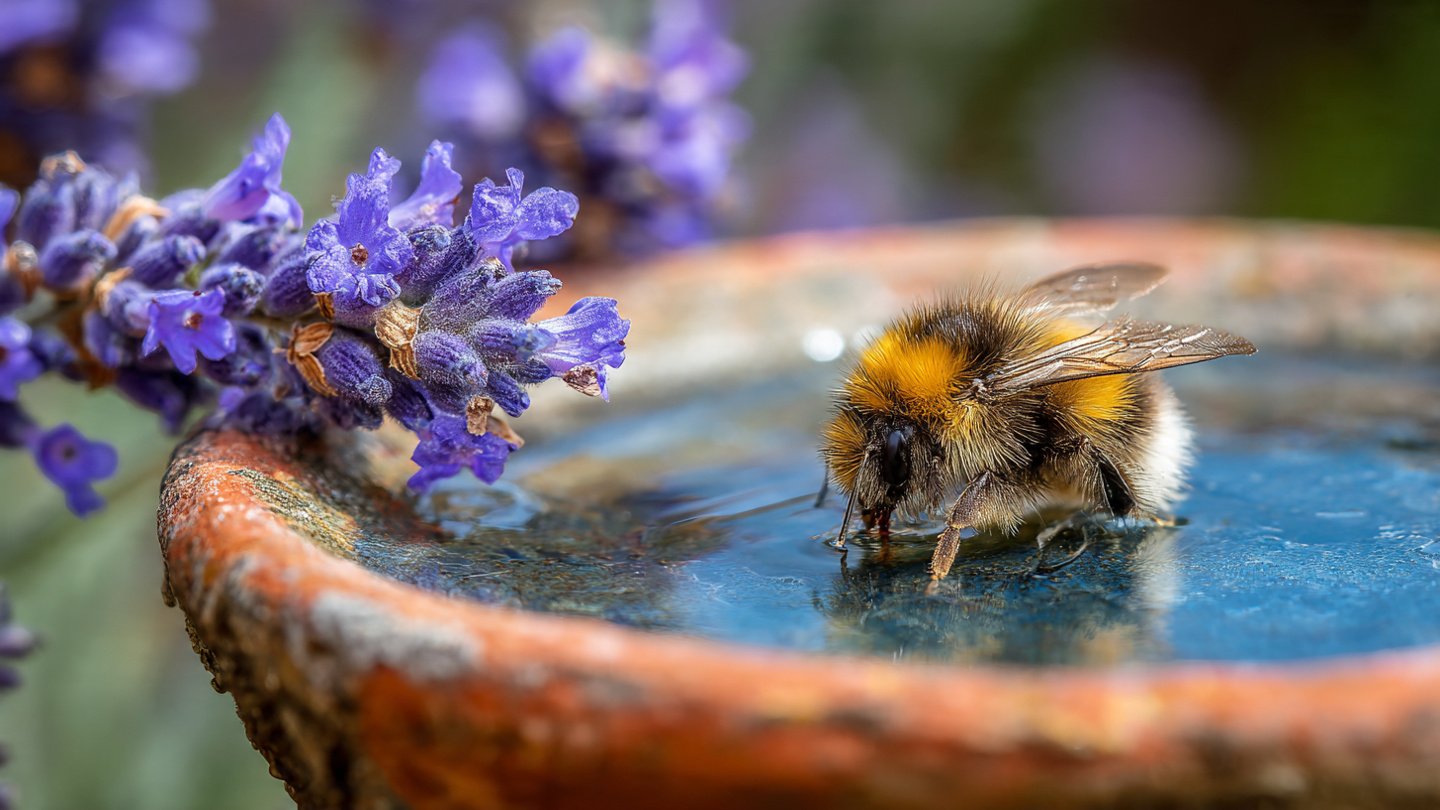
As summer temperatures rise, the need for water becomes increasingly vital for all living organisms, including our beloved bees. The summer heat can be particularly harsh, leading to dehydration and stress in these important pollinators. Introducing a bee bath to your garden is an excellent way to help these creatures thrive, especially during a heatwave. But why exactly does your garden need a bee bath? This article explores the significance and benefits of adding a bee bath to your outdoor space.
The Importance of Bees
Bees are crucial to the ecosystem, playing a significant role in pollinating plants, which in turn produce fruits, vegetables, and nuts that we rely on for food. According to the Food and Agriculture Organization (FAO), approximately one-third of the food we consume depends on pollinators like bees. Their decline in numbers due to habitat loss, pesticides, and climate change has become a major concern for global food security.
Heatwaves and Bee Stress
During a heatwave, the temperature can soar, leading to extreme conditions that put bees at risk. The drought conditions that often accompany high temperatures mean that natural water sources become scarce. This scarcity can lead to increased competition among bees for water, as well as a higher risk of dehydration. A bee bath can serve as a safe haven where they can hydrate and recuperate from the heat.
What is a Bee Bath?
A bee bath is a simple water source designed specifically for bees. Unlike traditional birdbaths, which may not cater to the needs of bees, a bee bath should include features that allow these small insects to drink safely. This can include shallow stones, marbles, or other materials that provide landing spots where bees can access the water without the risk of drowning.
How to Set Up a Bee Bath
Setting up a bee bath in your garden is an easy and rewarding task. Here’s how you can create your own:
- Choose a Suitable Container: Select a shallow bowl or dish that can hold water. The basin should be wide enough to allow several bees to use it at once.
- Add Water: Fill the container with water, ensuring it’s shallow enough for bees to land on the edges safely. A water depth of about 1-2 inches is ideal.
- Include Landing Spots: Place stones, pebbles, or marbles in the water. This creates safe spots for bees to land and drink without the risk of falling in.
- Position in the Sun: Place the bee bath in a sunny spot where it can warm up. Bees are attracted to sunlight, which encourages them to visit your bath.
- Maintain Regularly: Change the water every few days to prevent stagnation and the growth of algae.
Benefits of Bee Baths
Creating a bee bath in your garden offers numerous benefits:
1. Assisting Pollination
By providing a reliable water source, you encourage more bees to visit your garden, which in turn aids in the pollination of your plants. Healthy bee populations can lead to better yields in your flowers, fruits, and vegetables.
2. Supporting Healthy Ecosystems
Bees are part of a broader ecosystem. By supporting their health, you also contribute to the wellbeing of other wildlife attracted to your garden.
3. Education and Awareness
Setting up a bee bath offers a great opportunity to educate yourself and others about the importance of pollinators and biodiversity. It can even become a talking point in your community!
4. Aesthetic Value
A bee bath can enhance the appearance of your garden, adding a charming focal point. You can decorate it with plants or other natural elements to fit your garden’s design.
Conclusion
In conclusion, providing a bee bath in your garden during a heatwave is not just a kind gesture; it’s a vital action that can significantly affect the health and well-being of bee populations. As they struggle to survive the repercussions of rising temperatures and drought conditions, offering a reliable water source can help these essential pollinators thrive. By taking this simple step, you support pollination, contribute to local biodiversity, and elevate your gardening experience. So get started on your bee bath today and do your part in fostering a healthier environment for bees and other wildlife!
FAQs
1. How often should I change the water in the bee bath?
It’s best to change the water every two to three days to keep it fresh and avoid algae growth.
2. Can I use a birdbath for bees?
Yes, but make sure to add shallow stones or marbles to provide safe landing spots. Birds may also use it, so be prepared for multiple visitors!
3. Will a bee bath attract unwanted pests?
While you may see an increase in bees, a properly maintained bee bath shouldn’t attract pests. Ensure the water is clean and replaced regularly.
4. Are there specific times when bees are more likely to visit?
Bees are generally most active during warm, sunny days, especially in the morning and early afternoon. This is when you’ll see increased activity at your bee bath.
5. How can I further support bees in my garden?
Consider planting native flowers, avoiding pesticides, and creating habitats such as bee hotels to provide shelter alongside your bee bath.