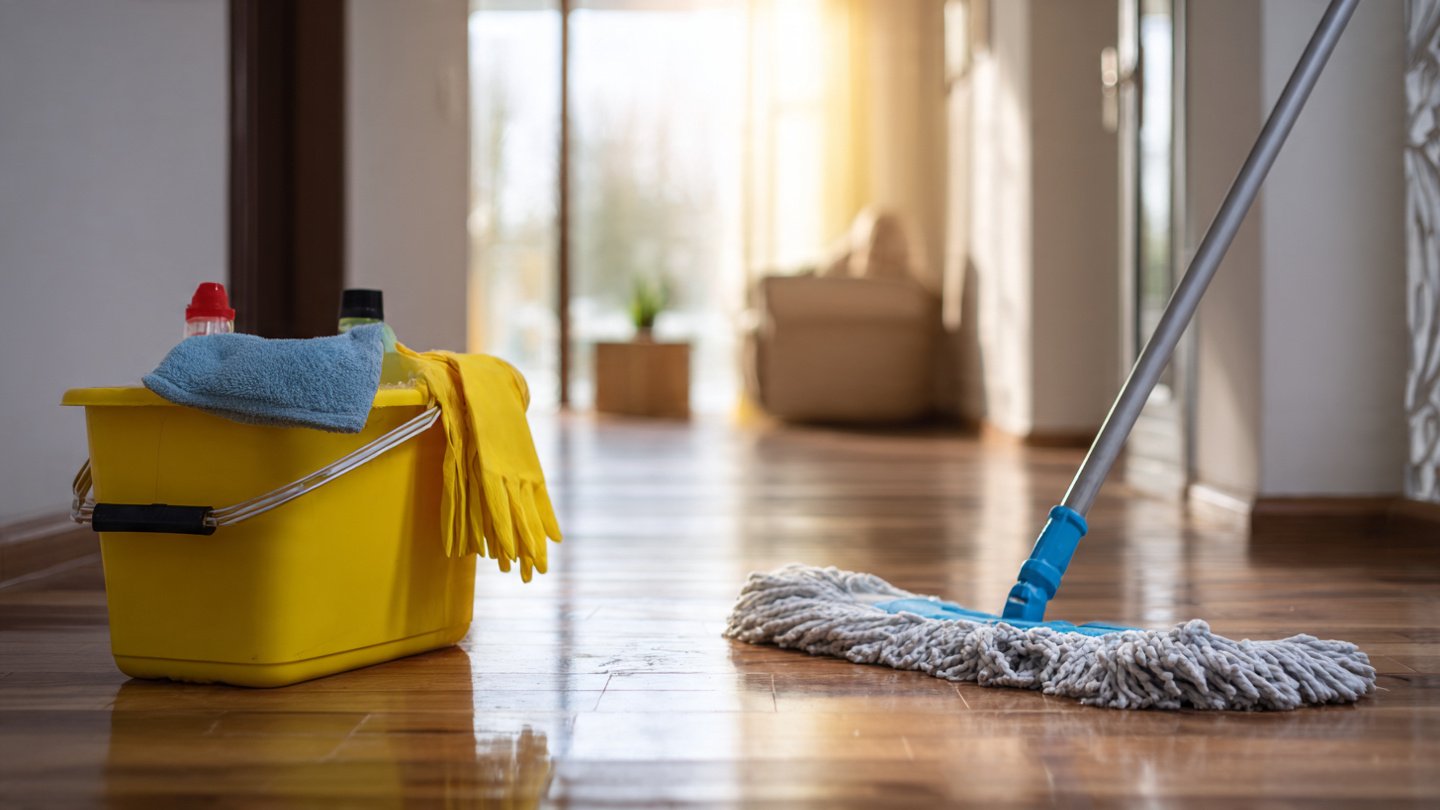
Deep cleaning is often seen as a surefire way to restore a home to its original pristine condition. Many homeowners eagerly anticipate the freshness and cleanliness that follow a thorough scrubbing, only to find those results deteriorating sooner than expected. Understanding the reasons behind this phenomenon can help homeowners maintain a cleaner living space for longer periods.
1. Everyday Wear and Tear
One of the primary reasons deep cleaning results diminish so quickly is the everyday wear and tear experienced in a household. Once a home is deep cleaned, it is immediately exposed to:
- Foot Traffic: Each person who walks in brings dirt and debris from the outside, which settles on clean surfaces.
- Spills and Stains: Pets and children can quickly undo a day’s work with a single accident.
- Dust Accumulation: Even in a clean home, dust can settle quickly, especially on surfaces that are not regularly cleaned.
Each of these factors contributes to a decline in cleanliness, suggesting that deep cleaning should be complemented with regular maintenance.
2. Lack of Consistent Maintenance
Deep cleaning can feel like a monumental task, and many homeowners do not follow up with consistent maintenance. Without regular cleaning, dirt and grime can build up quickly. Some common maintenance oversights include:
- Infrequent Surface Cleaning: Dusting and wiping surfaces at least once a week can keep a home looking fresh.
- Neglecting High-Traffic Areas: Areas such as entryways, kitchens, and living rooms need more frequent attention.
- Forgetting About Hidden Spaces: Behind furniture, under beds, and inside appliances can harbor dirt that isn’t addressed during a deep clean.
To extend the lifespan of a deep cleaning effort, homeowners must integrate routine cleaning tasks into their schedules.
3. Environmental Factors
Environmental elements such as humidity, weather, and location can significantly affect how long a deep clean lasts. For instance:
- High Humidity: Moist environments can promote mold growth and dust mites, undermining cleanliness.
- Geographic Location: Homes near construction sites or in dusty areas can accumulate dirt more quickly.
- Seasonal Changes: Spring and fall can bring in more pollen and debris, affecting indoor air quality.
Being aware of these factors enables homeowners to take additional preventative measures to maintain a clean environment.
4. The Role of Pets
For pet owners, the challenge becomes even more pronounced. Pets bring their own set of issues to cleanliness, including:
- Shedding Fur: Hair can accumulate quickly, requiring frequent vacuuming and cleaning.
- Paw Prints: Pets track dirt in from outdoors.
- Accidents: Pets may have issues that require immediate attention and cleaning.
Regular grooming and pet care can mitigate some of these effects, but pet owners must adjust their cleaning routines accordingly.
5. Ineffective Deep Cleaning Techniques
The methods and products used during the deep cleaning process can also impact the longevity of the results. Common pitfalls include:
- Using the Wrong Cleaning Products: Some products can leave a residue that attracts dirt.
- Inadequate Tools: Low-quality or incorrect cleaning tools may fail to thoroughly clean surfaces.
- Rushing the Process: Skipping important steps can mean that areas are left dirty, which can lead to quicker buildup.
Investing in quality cleaning supplies and taking time to clean methodically can enhance the effectiveness of deep cleaning efforts.
6. Clutter and Organization
Clutter not only makes a space feel less clean but can also contribute to dirt accumulation. When surfaces are cluttered, it’s harder to clean effectively, leading to:
- Hidden Dust: Cluttered surfaces are often locations where dust collects unnoticed.
- Limited Access: Cleaning around items can prevent thorough cleaning, allowing dirt to stay behind.
- Psychological Impact: A cluttered home can feel overwhelming and lead to procrastination in cleaning efforts.
Decluttering and organizing spaces can facilitate better cleaning practices and prolong deep cleaning results.
7. Lifestyle and Habits
Individual lifestyles and habits have a significant impact on home cleanliness. Factors such as:
- Eating Habits: Eating in various areas of the home can lead to spills and crumbs.
- Work and Hobbies: Activities like crafts or home projects can create messes that require cleaning.
- Inconsistent Routines: A haphazard approach to cleaning can lead to dirt piling up.
Establishing clear cleaning habits and routines tailored to one’s lifestyle can prevent quick deterioration of cleanliness.
Conclusion
Deep cleaning offers a fresh start for any home, but maintaining that cleanliness requires ongoing effort. From everyday wear and tear to lifestyle habits, numerous factors can contribute to the quick decline of deep cleaning results. By understanding these elements and implementing regular maintenance practices, homeowners can enjoy a cleaner and more organized living space for longer periods. Investing time and resources into consistent cleaning and mindful habits not only enhances cleanliness but can also contribute to a healthier, more inviting home environment.
FAQs
1. How often should I perform deep cleaning in my home?
Most experts recommend deep cleaning at least once or twice a year, but high-traffic areas may require more frequent attention.
2. What are some easy maintenance tips after deep cleaning?
Regular tasks such as weekly dusting, vacuuming, and quick surface clean-ups can help maintain cleanliness between deep cleans.
3. Are there specific cleaning products that help maintain cleanliness longer?
Choosing high-quality, residue-free cleaning products can make a significant difference. Look for options that are effective but safe for your surfaces.
4. Can pets affect how quickly my home becomes dirty after a deep clean?
Yes, pets contribute to dirt, hair, and odors that can prompt a quick decline in cleanliness. Regular grooming and cleaning strategies can help mitigate their impact.
5. How can I prevent clutter from affecting my cleaning results?
Regularly decluttering your home and establishing designated spaces for everything can help keep your home organized and clean.