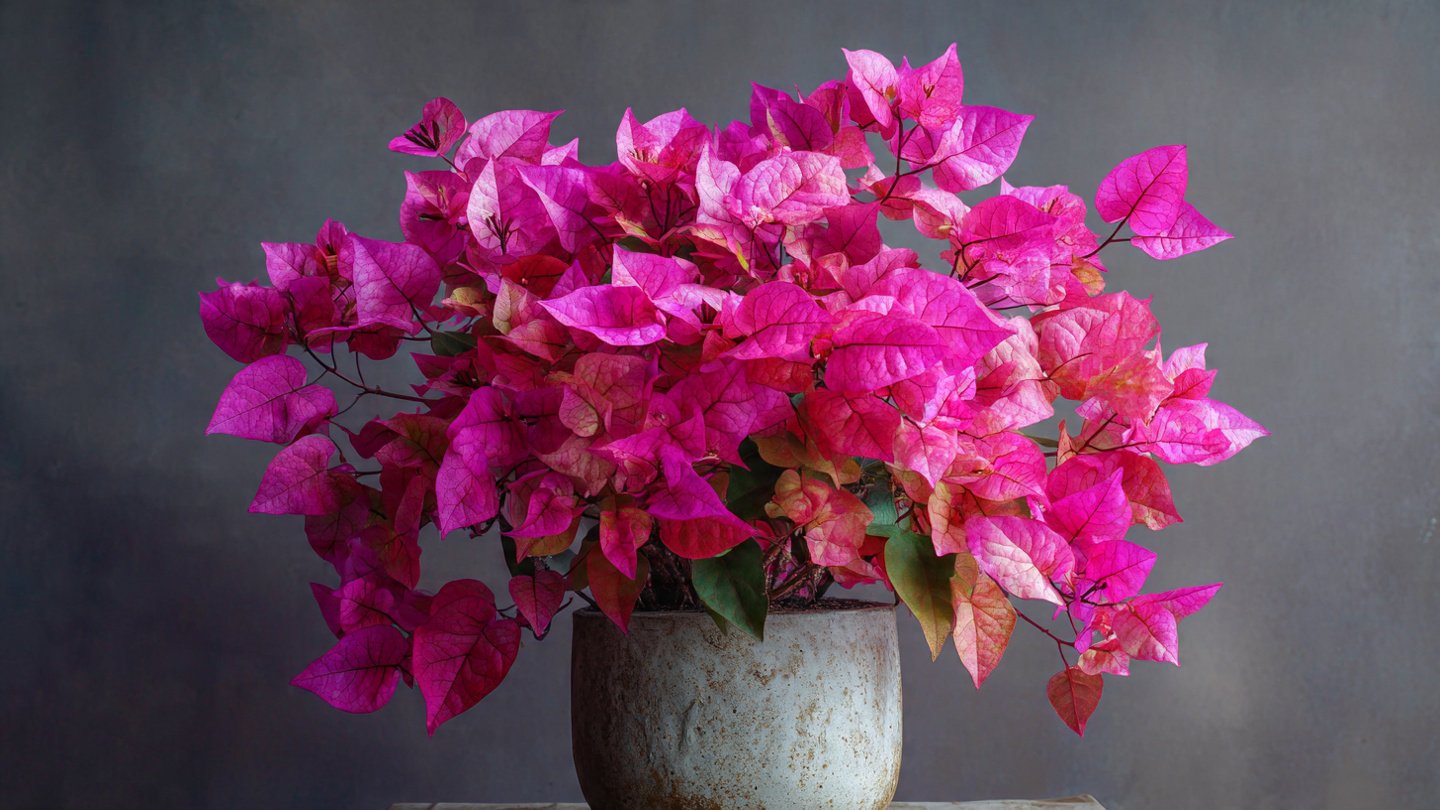
Potted flowers can bring a splash of color and vibrancy to any indoor or outdoor setting. Among various foliage colors, vibrant pink leaves often capture the attention and admiration of flower enthusiasts. This article delves into the secrets that unlock the growth of these stunning pink leaves, exploring the factors that contribute to such unique coloration, the plants that exhibit this trait, and tips on how to nurture them to achieve that desired aesthetic.
Understanding the Science Behind Leaf Coloration
The color of leaves is determined primarily by the presence of pigments. Green leaves contain chlorophyll, but pink leaves consist of specific pigments that contribute to their unique hues, such as anthocyanins. Anthocyanins are produced in response to various environmental factors, including light exposure, temperature, and soil composition. These pigments serve multiple purposes, including:
- Protection Against UV Light: Anthocyanins can absorb ultraviolet light, protecting the plant’s cells from damage.
- Defense Mechanism: The presence of these pigments can deter herbivores and pests.
- Attract Pollinators: Vibrant colors can attract beneficial insects, promoting pollination.
Which Plants Feature Pink Leaves?
Several potted plants are known for their striking pink leaves. Here are some noteworthy examples:
1. Caladium
Caladiums are renowned for their heart-shaped leaves that come in a spectrum of colors, including vibrant pinks. They thrive in warm, humid environments and prefer indirect sunlight.
2. Tricolor Dracaena
This variety of dracaena boasts long, sword-like leaves with pink, cream, and green stripes. It is an easy-care plant, which makes it a popular choice for indoor settings.
3. Pink Princess Philodendron
The Pink Princess Philodendron is a trendy houseplant with striking pink variegation. Care for this plant involves maintaining high humidity and well-drained soil.
4. Variegated Rubber Plant
Also known as Ficus elastica, this plant features glossy leaves with pink and cream patterns. It’s adaptable, making it suitable for various indoor environments.
The Role of Light in Leaf Color Development
Light plays a crucial role in the production of anthocyanins. Insufficient light can lead to green leaves, while excess light can enhance pink pigmentation. Finding the right balance is essential:
- Indirect Sunlight: Most plants with pink leaves thrive in bright, indirect sunlight, which promotes anthocyanin production.
- Grow Lights: If natural light is insufficient, especially during winter months, using grow lights can help maintain color vibrancy.
Temperature and Humidity Requirements
Temperature and humidity also significantly affect leaf color. Pink-leafed plants typically prefer warmer climates:
- Temperature: A range between 65°F to 80°F (18°C to 27°C) is often ideal. Extreme temperatures can stress the plant, impacting its color.
- Humidity: High humidity levels (around 60% or higher) can enhance growth and vibrant coloration. Using a humidity tray or a humidifier can help achieve this.
Soil Composition and Nutrient Supply
The right soil and nutrients are vital for vibrant leaf coloration. Consider these factors:
- Well-Draining Soil: Most pink-leaved plants require a potting mix that drains well to prevent root rot. A mix containing perlite or peat moss is often suitable.
- Nutrients: Regular feeding with a balanced fertilizer can support vibrant growth. Plants often benefit from fertilizers high in potassium and magnesium, which can enhance pigmentation.
Watering Practices
Effective watering practices contribute to the overall health of potted flowers:
- Consistent Moisture: Maintaining consistent moisture is essential. Allow the top inch of the soil to dry before watering again.
- Avoid Overwatering: Overwatering can lead to root rot, negatively impacting leaf color. Always ensure pots have adequate drainage.
Additional Care Tips for Vibrant Pink Leaves
Here are some additional care tips to help you cultivate and maintain pink-leaved plants:
- Pruning: Regular pruning can help promote bushier growth and enhance the overall appearance of the plant.
- Repotting: Annual repotting can help refresh the soil and provide essential nutrients.
- Pest Management: Regularly check for pests such as aphids and spider mites, which can affect leaf quality. Use organic insecticidal soap as needed.
Conclusion
The vibrant pink leaves of potted flowers not only add visual appeal but also symbolize a thriving and well-cared-for plant. Understanding the science behind leaf coloration, the specific needs of different plants, and best care practices enables plant enthusiasts to enjoy these beautiful features year-round. By managing light, temperature, humidity, soil type, and watering effectively, you can unlock the secrets to cultivating vibrant, pink-leaved plants in your home or garden.
FAQs
1. How often should I water my pink-leaved plants?
Water your pink-leaved plants when the top inch of soil feels dry. Typically, this could be once a week, but it depends on environmental conditions.
2. Can I use regular potting soil for pink-leafed plants?
While regular potting soil can work, enhancing it with perlite or peat moss can improve drainage, which is essential for these plants.
3. How can I increase humidity for my potted flowers?
You can increase humidity by placing a humidifier nearby, using a pebble tray with water, or grouping your plants together.
4. Is it normal for the color of the leaves to change?
Yes, changes in light, temperature, and soil conditions can affect leaf coloration. Consistent care can help maintain vibrant colors.
5. What are some common pests to watch out for?
Pests such as aphids, spider mites, and mealybugs are common. Regular inspections can help catch infestations early.