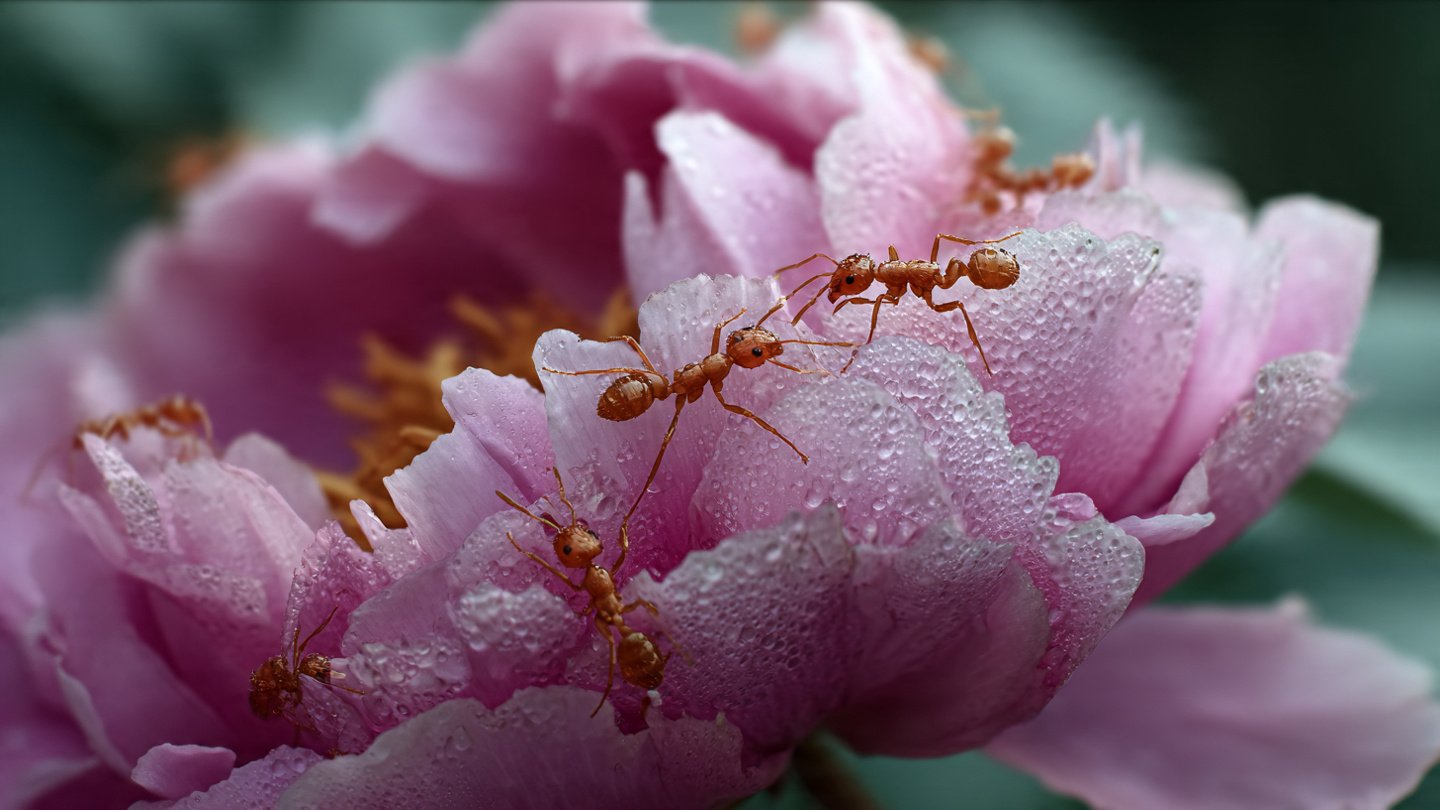
Understanding the Relationship Between Ants and Peonies
Ants are ubiquitous creatures found in various environments, and their presence in your garden, particularly around peony leaves, can signify several underlying phenomena. While many gardeners may view ants simply as pests, they fulfill essential roles in the ecosystem. This article will delve into the secrets that ants reveal about your peony leaves, offering insights into plant health and possible treatments.
The Ant-Peony Connection
Peonies are cherished for their large, striking flowers and lush foliage. However, their leaves can sometimes exhibit signs of distress, such as discoloration, curling, or holes. You may find ants crawling over these peony leaves, but what does this mean? The connection between ants and peonies is primarily based on mutualism—an interaction where both organisms benefit.
Why Are Ants Attracted to Peony Leaves?
One of the primary reasons ants are attracted to peony leaves is the presence of honeydew, a sugary substance produced by sap-sucking insects like aphids. Here’s how it works:
- Aphid Infestations: Aphids feed on the sap of peony plants, effectively weakening the plant. In return for consuming the sap, they excrete honeydew, which is rich in carbohydrates. Ants are drawn to this sweet substance, often forming a symbiotic relationship with the aphids.
- Protection of Aphids: In exchange for the honeydew, ants will protect aphids from natural predators such as ladybugs, ensuring a steady supply of food. This directly impacts the health of your peonies, as unchecked aphid populations can lead to significant leaf damage.
Signs of Aphid Infestation
While ants are busy collecting honeydew, they may unintentionally signal to you that something is amiss with your peonies. Look for these telltale signs of aphid infestation:
- Deformed Leaves: Curling, yellowing, or distorted leaves can indicate that aphids are feeding on the plant.
- Sticky Residue: A shiny film on the leaves or surrounding surfaces might be honeydew, a clear indicator of aphid presence.
- Sooty Mold: In some cases, the honeydew can foster the growth of sooty mold, which appears as a black substance on leaves, inhibiting photosynthesis.
The Impact of Ants on Peony Health
While ants themselves generally do not harm peonies, their relationship with aphids can lead to severe consequences for plant health. Understanding this impact can help you make informed decisions about your gardening practices:
- Weakened Plants: High aphid populations can sap the vitality of peonies, leading to stunted growth and fewer blooms.
- Diseases: Aphids can transmit various plant diseases as they feed, further compromising your peonies’ health.
- Flower Quality: If peonies are stressed by aphids, they may produce fewer flowers or smaller blooms, affecting your garden’s aesthetics.
Managing Ants and Aphids in Your Garden
If you suspect that ants and aphids are causing problems for your peonies, there are several strategies you can employ to manage the situation:
Natural Solutions
- Encourage Beneficial Insects: Introduce or attract natural predators like ladybugs and lacewings to your garden. These insects feed on aphids and can help control their population.
- Insecticidal Soap: Applying insecticidal soap can effectively target aphids without harming beneficial insects. It disrupts their cell membranes, leading to dehydration and death.
- Neem Oil: Derived from the seeds of the neem tree, neem oil is a natural pesticide that disrupts aphids’ life cycle without harming beneficial insects.
Cultural Practices
- Regular Monitoring: Keep a close eye on your peonies for early signs of aphid infestation. Early intervention is often key to preventing larger issues.
- Proper Spacing: Ensure that your peonies are adequately spaced to promote air circulation, reducing the likelihood of pests.
- Companion Planting: Certain plants, like marigolds, can deter aphids, making them excellent companions for peonies.
Conclusion
Ants reveal a story about the health of your peonies that goes beyond their mere presence. By understanding the symbiotic relationship between ants, aphids, and your plants, you can take proactive steps to protect your garden. Whether through natural remedies or careful monitoring, managing this delicate ecosystem will ensure your peonies thrive. Remember, while ants may be a nuisance, they can also serve as crucial indicators of underlying issues that need addressing. Maintain this balance, and your garden will flourish beautifully.
FAQs
1. Are ants harmful to peonies?
No, ants themselves are not harmful to peonies. However, their presence can indicate aphid infestations, which can damage the plants.
2. How can I tell if my peonies have aphids?
Look for deformed leaves, sticky residue (honeydew), and sooty mold on the leaves as signs of an aphid problem.
3. What natural predators can help control aphids?
Beneficial insects like ladybugs, lacewings, and hoverflies are natural predators of aphids and can help keep their populations in check.
4. Is insecticidal soap safe for my peonies?
Yes, insecticidal soap is generally safe for peonies and targets aphids specifically, but it’s essential to follow the manufacturer’s instructions for use.
5. Should I remove ants from my garden?
It’s not necessary to remove ants as they can be beneficial. Instead, focus on managing aphid populations to prevent damage to your plants.