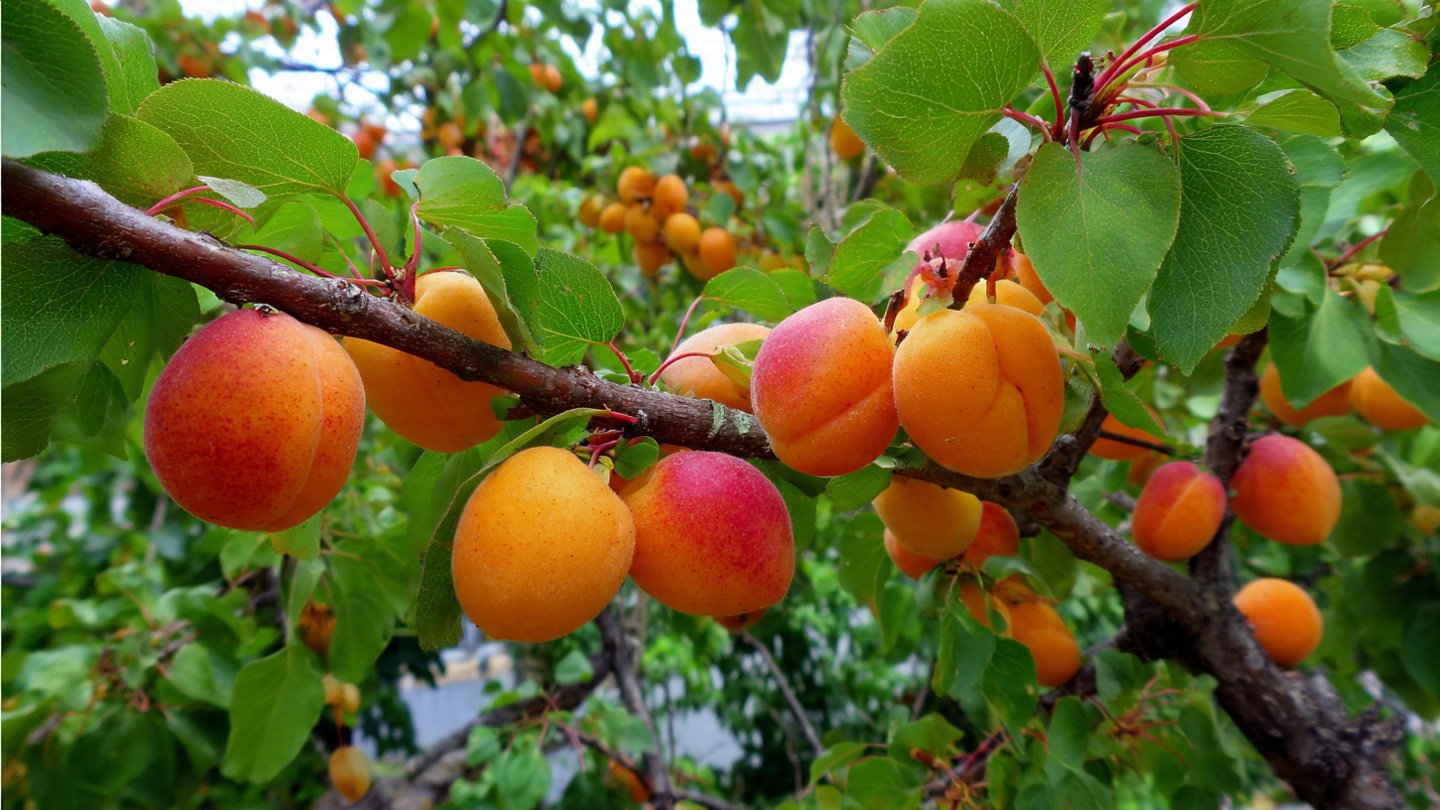
Apricots (Prunus armeniaca), a beloved fruit known for their sweet, tangy flavor and vibrant golden hue, thrive in diverse climates across the globe. The journey from a seed to a large, juicy apricot involves various environmental factors, cultivation techniques, and seasonal influences. Understanding what makes apricots flourish can open doors for farmers, gardeners, and enthusiasts alike, enabling them to grow these delightful fruits in a myriad of conditions.
1. The Ideal Climate for Apricot Growth
While apricots can adapt to a range of climatic conditions, they typically prefer a Mediterranean climate. This type of climate is characterized by:
- Hot, dry summers
- Mild, wet winters
- Temperature variations that promote dormancy during winter
However, apricots can also thrive in temperate regions, where warm summers and sufficient chilling hours during winter are essential for a bountiful harvest. In regions with colder climates, apricot varieties that are more resilient to frost should be selected to ensure the fruit can withstand harsher conditions.
2. Soil Requirements for Thriving Apricots
The health of apricot trees begins with the soil. Good drainage is critical because apricot roots do not like to sit in wet, saturated conditions. The ideal soil conditions include:
- Loose, sandy loam
- pH levels between 6.0 and 7.5
- Rich in organic matter
Additionally, performing soil tests can help determine nutrient deficiencies and pH imbalances, guiding the application of fertilizers or soil amendments to support robust growth.
3. Selecting the Right Apricot Varieties
Choosing the right apricot variety is essential for optimal growth in any climate. Some popular varieties include:
- Tilton: Known for its sweet flavor and juiciness, it’s ideal for both eating fresh and drying.
- Gold Kist: This variety is prolific and ripens early, making it suitable for warmer climates.
- Apache: A disease-resistant variety that thrives in a variety of conditions.
Each of these varieties has unique characteristics that can cater to specific climate conditions and consumer tastes.
4. Watering Techniques for Optimal Growth
Water management is crucial for apricot trees. Overwatering can lead to root rot, while underwatering can result in stress and reduced fruit quality. Best practices include:
- Deep watering once a week during dry spells
- Using mulch to retain soil moisture
- Implementing drip irrigation systems for efficient water use
Maintaining consistent moisture levels will ensure that apricot trees receive the hydration they need to produce large, juicy fruit.
5. The Importance of Nutrients
Apricot trees require various nutrients to thrive. Essential nutrients include:
- Nitrogen: Encourages lush foliage and overall tree vigor.
- Phosphorus: Supports root development and flower formation.
- Potassium: Aids in fruit size and flavor enhancement.
Regular soil testing can help farmers and gardeners apply the correct fertilizers at optimal times, contributing to robust apricot growth.
6. Pests and Disease Management
Like all crops, apricots are susceptible to various pests and diseases. Common issues include:
- Peach leaf curl: A fungal disease that can cause leaf drop and reduced fruit yield.
- Brown rot: Affects both blossoms and fruit, leading to decay.
- Aphids: These pests can cause stunted growth and transmit diseases.
Implementing an integrated pest management strategy, which may include regular monitoring, using resistant varieties, and applying organic pesticides, can help mitigate these issues and ensure healthy fruit production.
7. The Role of Pruning
Pruning is an essential practice in apricot cultivation. Proper pruning techniques can enhance overall tree health and encourage better fruit production. Key benefits include:
- Improved air circulation and sunlight penetration
- Reduced risk of disease
- Increased fruit yield by removing unproductive branches
Pruning should be done during the dormancy period to avoid damaging new growth. This practice is crucial for maintaining the vigor and productivity of apricot trees.
8. Harvesting Techniques
Harvest time significantly influences the quality and size of apricots. Key considerations include:
- Harvesting at the right maturity stage for flavor
- Avoiding damage to the fruit by using gentle handling techniques
- Harvesting during cooler parts of the day to reduce stress on the fruit
By ensuring optimal harvesting practices, farmers can guarantee the production of delicious, large apricots ready for market.
Conclusion
Growing apricots into large, juicy delights is a multifaceted endeavor that requires careful attention to climate, soil, variety selection, water management, nutrient application, pest control, and pruning practices. With proper techniques and knowledge, anyone can cultivate this delightful fruit, transforming their agricultural space or garden into a flourishing apricot haven.
FAQs
1. How long does it take for apricot trees to bear fruit?
Apricot trees typically begin to bear fruit 2 to 4 years after planting, depending on the variety and growing conditions.
2. Can apricots be grown in pots?
Yes, apricots can be successfully grown in pots, especially dwarf varieties. Ensure that the pot has good drainage and is large enough to accommodate the tree’s root system.
3. What climate zone is best for apricot trees?
Apricot trees thrive best in USDA zones 5 to 8, where they receive adequate chill hours during winter and warm, dry summers.
4. How can I improve soil drainage for my apricot tree?
Improving soil drainage can be achieved by mixing in organic matter such as compost or planting in raised beds to promote better water runoff.
5. Are apricot trees self-pollinating?
Some apricot varieties are self-pollinating, while others may benefit from cross-pollination with different varieties for improved fruit set.