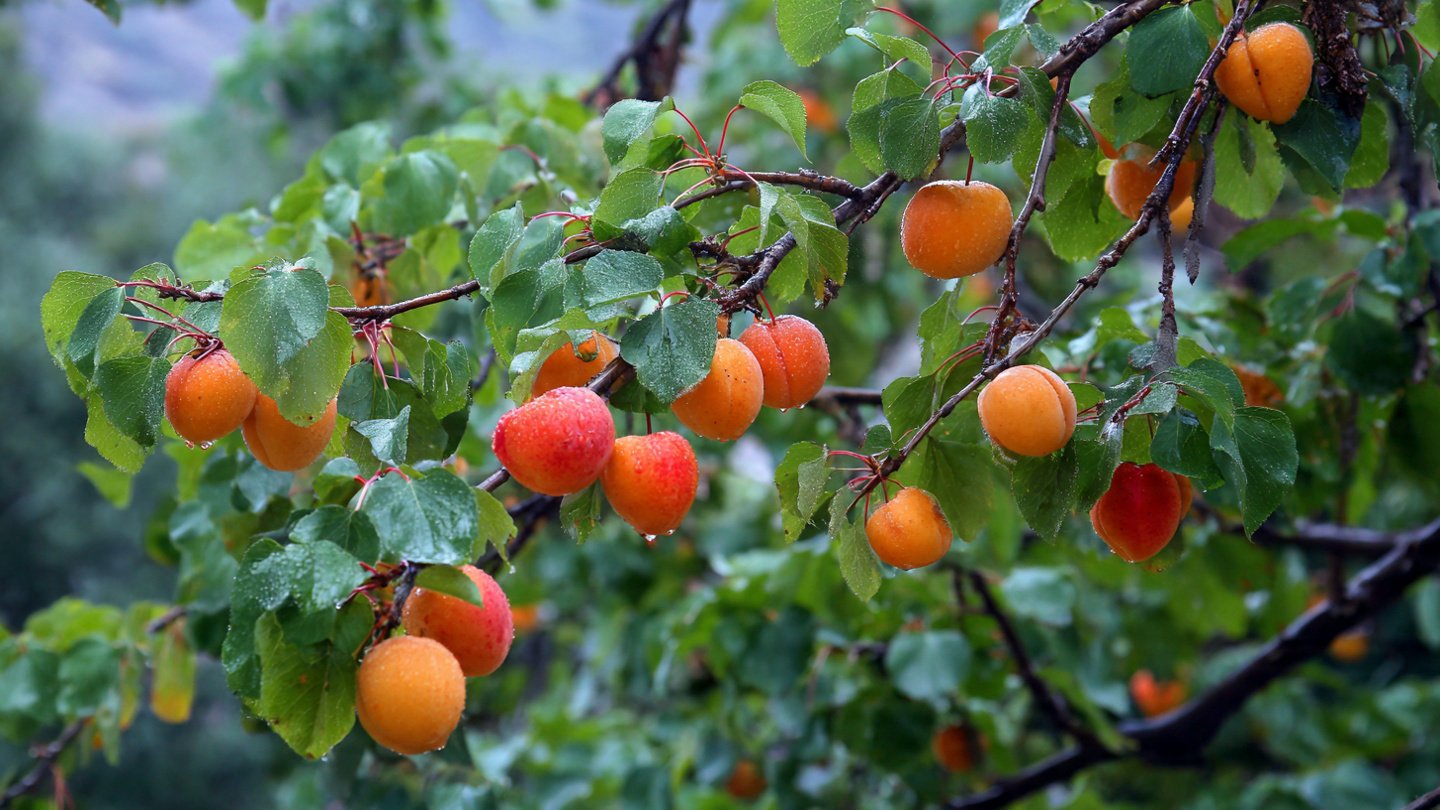
Understanding Apricot Trees
Apricots (Prunus armeniaca) are small, orange-yellow fruits that are not only delicious but also packed with nutrients. Known for their delicate flavor, they belong to the same family as cherries and peaches. To grow lush, juicy apricots, it’s essential to understand the needs of the apricot tree itself.
Choosing the Right Variety
Not all apricot varieties thrive in every climate. Research the different types available and select those that are well-suited to your local environment. Here are a few popular varieties:
- Katy: Known for being self-pollinating and is great for cooler climates.
- Tilton: Excellent for warmer climates and produces medium to large fruit.
- Gold Kist: A versatile variety that does well in various climates and has exceptional flavor.
- Blenheim: Popular for canning and has a rich taste, ideal for warmer regions.
Site Selection and Preparation
Choosing the right site is crucial for successful apricot cultivation. Here are some key factors to consider:
Sunlight
Apricot trees require full sun for at least six hours a day. Choose a location that receives ample sunlight to encourage healthy growth and fruit production.
Soil Quality
Apricots thrive in well-draining soil that is slightly acidic to neutral (pH 6.0 to 7.0). Conduct a soil test prior to planting, and consider amending the soil with organic matter if necessary.
Drainage
Good drainage is vital. Apricot trees are sensitive to waterlogged conditions, which can lead to root rot. Ensure that the site slopes gently or consider raised beds if drainage is an issue.
Planting Techniques
Once you’ve chosen the right variety and site, it’s time to prepare for planting. Follow these steps for optimal results:
Timing
The best time to plant apricot trees is in the spring, after the last frost, or in the fall before the first frost. This allows the tree roots to establish themselves before facing the harsher weather of summer or winter.
Spacing
Plant apricot trees at least 15 to 20 feet apart to allow for their mature size and to promote good air circulation, reducing the risk of disease.
Planting Depth
Dig a hole that is twice as wide and the same depth as the root ball. Gently place the tree in the hole, ensuring that the root crown is level with the soil surface. Fill in with soil, and water thoroughly.
Caring for Your Apricot Trees
Maintaining your apricot trees takes commitment but is essential for producing large, juicy fruit. Here are key care tactics:
Watering
Watering is critical, especially in the tree’s early years. Apricot trees need deep watering once a week during dry periods. Aim for about 1 to 2 inches of water per week, tapering off as the tree matures.
Fertilization
To enrich your apricot tree, apply a balanced fertilizer (like 10-10-10) in the spring. Be sure to follow the manufacturer’s guidelines to prevent over-fertilization, which can damage the tree.
Pruning
Pruning helps form a strong structure, improves air circulation, and encourages sunlight penetration. Prune apricot trees in late winter or early spring before new growth begins. Remove dead or crowded branches and shape the tree as needed.
Pest and Disease Management
Common pests include aphids and spider mites, while diseases such as peach leaf curl may affect your apricot trees. Monitor regularly and use organic pesticides or fungicides when necessary. Additionally, good hygiene practices, such as removing fallen leaves and fruit, can reduce disease risk.
Harvesting and Enjoying Apricots
Fruit maturity will vary with the variety, but generally, apricots can be harvested from late spring to early summer. Here’s how to know when they’re ripe:
Indicators of Ripeness
Look for these signs to determine if the apricots are ready for harvest:
- Color: Apricots should have a rich, vibrant orange color.
- Firmness: Gently squeeze the fruit; it should yield slightly but not feel mushy.
- Aroma: Ripe apricots will have a sweet scent.
Harvesting
Carefully twist the apricots from the tree; do not pull, as this can damage the branches. Use a gentle hand to avoid bruising the fruit.
Conclusion
Growing large, juicy apricots in any climate is achievable with the right knowledge and care. By selecting the appropriate variety, optimizing site conditions, and providing diligent care, gardeners can enjoy a bountiful harvest of this delightful fruit. Whether you are a novice or an experienced gardener, applying these techniques will enhance your apricot-growing success.
FAQs
What climate is best for growing apricots?
Apricots thrive in temperate climates with cold winters and warm summers. However, with careful variety selection, they can adapt to various climates.
How long does it take for apricot trees to bear fruit?
Typically, apricot trees begin to bear fruit within 3 to 4 years after planting, depending on the variety and care provided.
Can I grow apricots in containers?
Yes, apricot trees can be grown in containers, especially dwarf varieties. Ensure adequate drainage and sufficient soil depth.
What should I do if my apricot tree doesn’t produce fruit?
Possible reasons include lack of pollination, poor soil conditions, or improper pruning. Evaluate your care routine and make adjustments as necessary.
Do apricot trees require cross-pollination?
Some apricot varieties are self-pollinating, while others benefit from cross-pollination. Check the specific requirements of the variety you choose.