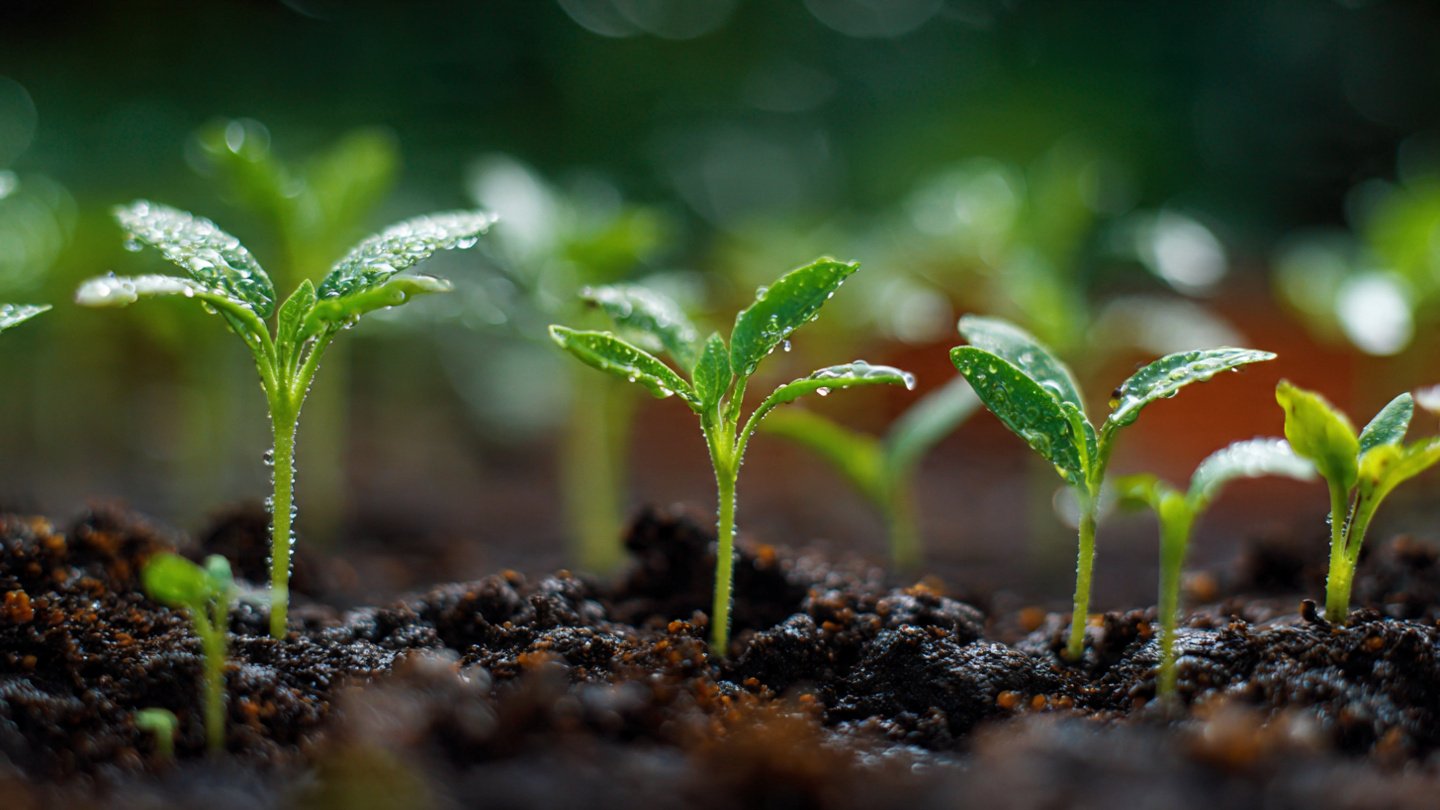
As a passionate gardener, there’s nothing quite like the satisfaction of nurturing seedlings into mature plants. However, it can be disheartening to discover that your precious seedlings have vanished from your garden bed. This phenomenon can leave many gardeners puzzled and frustrated. Understanding the causes behind this mysterious disappearance is crucial for preventing future losses. In this article, we will delve into the reasons why seedlings might vanish from your garden beds and how you can protect them.
Common Causes of Seedling Disappearance
Pests
One of the primary culprits behind vanishing seedlings is pests. Various insects and rodents may consider your seedlings a tasty treat. Here are some common pests that might be responsible:
- Cutworms: These larvae are notorious for cutting seedlings at the soil level during the night.
- Slugs and Snails: These gastropods are attracted to tender seedlings and can quickly devour them.
- Rodents: Mice, voles, and other small mammals may dig up and consume your newly planted seeds and seedlings.
- Insects: Aphids and other soft-bodied insects can weaken seedlings, making them more susceptible to disease and death.
Disease
Plants can fall prey to various diseases that hinder their growth or outright kill them. Seedlings are particularly vulnerable to:
- Damping-off: This fungal disease affects seedlings, causing them to wilt and die. It’s often exacerbated by overwatering and poor air circulation.
- Root Rot: Overwatering can lead to root rot, a condition where the roots decay, preventing the plant from absorbing nutrients and water.
Environmental Factors
Environmental conditions play a crucial role in the development of seedlings. Here are a few factors that could lead to the disappearance of your plants:
- Soil Quality: Poor soil quality can lead to inadequate nutrient availability, stunting growth or killing seedlings.
- Watering Issues: Both overwatering and underwatering can stress seedlings, making them more prone to diseases and pests.
- Light Exposure: Inadequate sunlight can weaken seedlings, while too much can scorch them.
- Temperature Extremes: Both excessive heat and cold can damage young plants, hampering their growth and survival.
Human Error
Sometimes, the basics of gardening can lead to unintentional consequences. Ensure you avoid common pitfalls like:
- Transplant Shock: Moving seedlings too often or at the wrong time can lead to stress and death.
- Insufficient Spacing: Overcrowding can cause competition for nutrients and water, which can weaken seedlings.
Prevention Strategies
Pest Control
To protect your seedlings from pests, consider the following strategies:
- Physical Barriers: Use row covers or mesh to shield your plants from pests.
- Natural Predators: Encouraging birds and beneficial insects (like ladybugs) can help control pest populations.
- Insecticidal Soap: This can effectively combat soft-bodied insects like aphids.
- Traps: Slug and snail traps can reduce their numbers effectively.
Disease Management
To minimize the risk of diseases, implement these practices:
- Soil Management: Use well-draining soil and consider crop rotation to prevent soil-borne diseases.
- Watering Techniques: Water early in the morning to allow seedlings to dry out during the day. Avoid wetting the foliage.
- Proper Air Circulation: Space seedlings adequately to promote airflow and reduce humidity around them.
Environmental Optimization
Creating an ideal environment for your seedlings can significantly improve their chances of survival:
- Soil Enhancement: Regularly amend your soil with organic matter, like compost, to improve fertility and structure.
- Temperature Control: Use shade cloths for extreme heat and mulch to retain soil temperature.
- Sunlight Management: Make sure your seedlings receive adequate sunlight, adjusting their positions as needed.
Best Practices
Finally, practicing good gardening habits can reduce the risk of seedling disappearance:
- Research Plants: Understanding the specific needs of your plants can help you provide a suitable environment.
- Keep Records: Documenting planting dates, watering schedules, and conditions can help identify patterns and improve future gardening seasons.
- Be Patient: Gardening takes time, and young seedlings need care and attention before they flourish.
Conclusion
The disappearance of seedlings from your garden bed can be a frustrating experience, but understanding the potential causes and implementing preventive measures can help safeguard your plants. Pests, diseases, environmental factors, and even human error can lead to the unfortunate demise of your seedlings. By being proactive and following best gardening practices, you can cultivate a flourishing garden where your plants thrive.
FAQs
1. What should I do if I suspect pests are affecting my seedlings?
Inspect your seedlings regularly for any signs of pests. You can use insecticidal soap or neem oil to treat infestations, and consider introducing beneficial insects to control pest populations naturally.
2. How can I tell if my seedlings are suffering from disease?
Look for signs of wilting, discolored leaves, or stunted growth. If you suspect a disease like damping-off, remove affected seedlings promptly and improve soil drainage and air circulation.
3. Can I prevent rodents from accessing my garden?
To deter rodents, use fences, traps, or natural repellents. Some gardeners find success using predator urine or planting herbs that repel rodents.
4. Is it possible to save seedlings that show signs of stress?
Depending on the level of stress, you might be able to save them by adjusting their conditions—such as improving soil quality, altering watering habits, or relocating them to a sunnier area. Be sure to closely monitor their recovery.
5. When is the best time to plant seedlings for optimal growth?
Timing depends on your specific climate and the types of plants you are growing. Generally, it’s best to plant seedlings after the last frost date in your area. Research your local growing season and specific plant needs for best results.