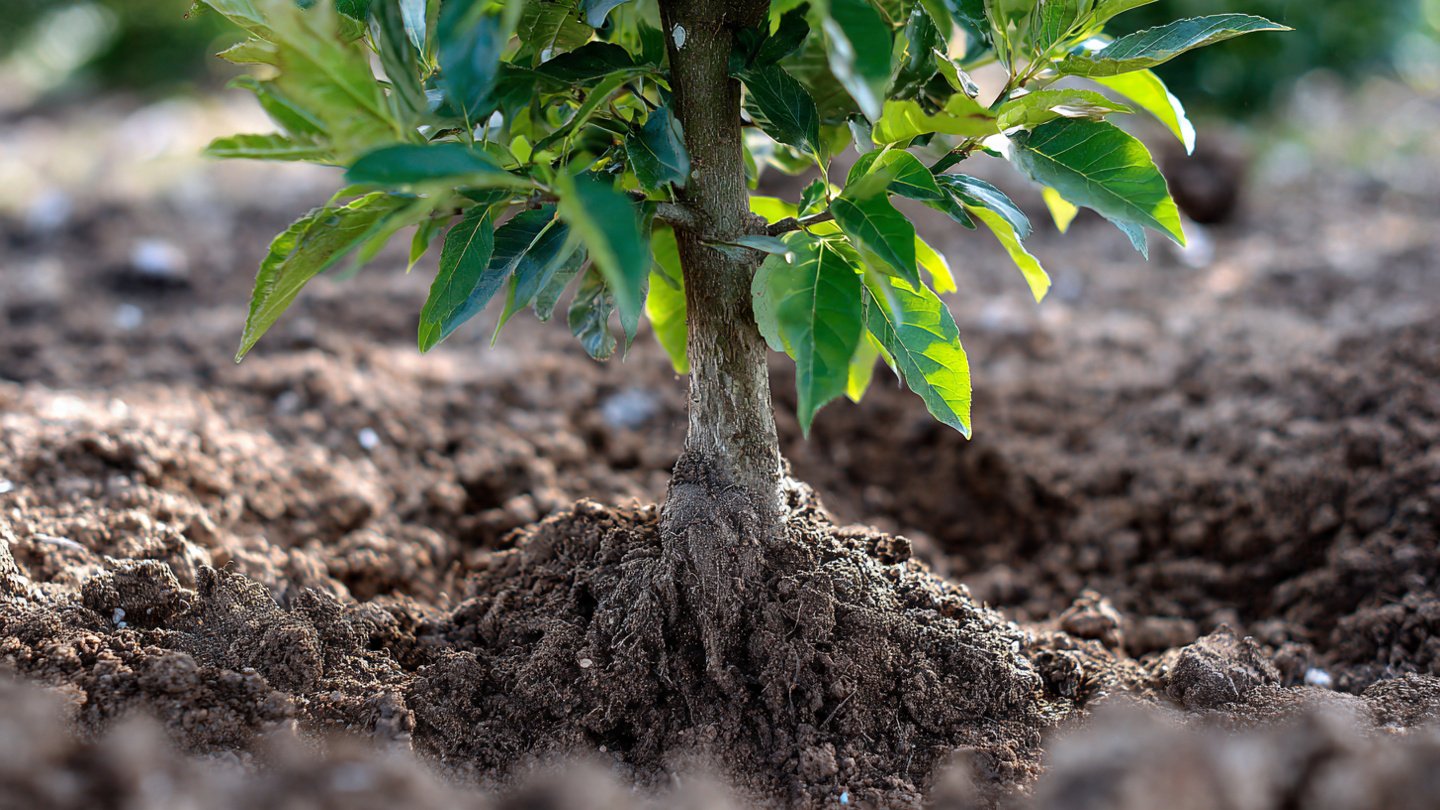
Planting a tree can be a rewarding experience, contributing to both the environment and your personal space. However, the excitement of planting a new tree can lead to critical mistakes that significantly impact its health and growth. One such detrimental error is improper watering and soil preparation, which can essentially determine the fate of your newly planted tree.
The Importance of Proper Soil Preparation
Before you even think about watering, it’s essential to prepare the soil adequately. Trees require a well-aerated and nutrient-rich environment to grow. Poor soil preparation can severely restrict root development and impact the tree’s ability to absorb vital nutrients and moisture.
Here are some soil preparation mistakes to avoid:
- Ignoring Soil Composition: Not testing your soil’s pH or nutrient levels can lead to planting a tree in unsuitable conditions. Trees thrive in specific pH ranges and nutrient-dense soils.
- Compacting the Soil: Pounding down the soil too hard after planting can limit root expansion and air exchange, leading to poor growth.
- Inadequate Drainage: Planting in poorly drained soil can lead to root rot, which is fatal for young trees. Always test drainage and consider amending heavy soils.
Watering: The Lifeblood of Your New Tree
After planting, watering is where most mistakes occur. Water is crucial for a tree’s survival, especially in its early stages. However, it’s about quantity and timing.
Common watering mistakes include:
- Overwatering: This is a frequent cause of tree damage and death. Saturating the soil can drown the roots, leading to root rot.
- Underwatering: Letting the soil dry out too much can starve the tree of the moisture it needs to establish itself.
- Watering at the Wrong Time: Watering during the hottest parts of the day leads to evaporation before the roots can absorb the moisture. Early morning or late afternoon is generally the best time.
Mulching: A Double-Edged Sword
Applying mulch is generally beneficial, but improper mulching can be harmful. Mulch helps retain moisture and regulate temperature but can also lead to issues like:
- Excessive Mulching: Piling too much mulch around the base of the tree can prevent proper air circulation and lead to moisture retention that promotes fungal diseases.
- Using the Wrong Type of Mulch: Some materials, like grass clippings, can decompose rapidly and may lead to excess nitrogen absorption, harmful for tree growth.
- Neglecting the Volcano Effect: Mulch should be spread out and not build up against the trunk. A “volcano” effect can create a habitat for pests and diseases.
Choosing the Right Location
Planting your tree in the right location is also crucial. Underestimating the sunlight and space requirements can be a significant mistake. Factors to consider include:
- Sunlight Requirements: Some trees need full sun, while others prefer partial shade. Not recognizing these needs can stunt growth.
- Space Constraints: Trees need room to grow both upward and outward. Planting too close to structures or other plants will limit their ability to flourish.
Pest Management and Disease Prevention
Once your tree is planted, it becomes vulnerable to a variety of pests and diseases. Monitoring for signs of trouble early can make a significant difference. Common mistakes include:
- Ignoring Early Signs: Yellowing leaves, wilting, and unusual spots can signal trouble. Acting quickly is vital.
- Lack of Preventative Care: Taking proactive measures, such as applying the right pest deterrents or disease preventatives, is often overlooked.
Conclusion
Planting a new tree is a fulfilling endeavor. However, certain critical mistakes can jeopardize the health of your tree, particularly concerning soil preparation, watering, mulching, location, and pest management. By being mindful of these pitfalls, you can enhance your tree’s chances of thriving in its new environment.
Remember, the cultivation of a newly planted tree is a long-term commitment that requires attention and understanding. With the right practices in place, your tree can grow strong and healthy, providing shade, beauty, and enhanced air quality for years to come.
FAQs
1. How often should I water my newly planted tree?
Newly planted trees generally need watering once or twice a week, depending on rainfall and temperature. Ensure that the soil remains moist but not soggy.
2. What type of mulch is best for newly planted trees?
Organic mulches like wood chips or bark are ideal for new trees. They break down over time and improve soil quality while maintaining moisture levels.
3. Should I fertilize my new tree right after planting?
It’s best to wait until the tree is established before applying fertilizer. Fertilizing too early can stress the tree’s roots.
4. Can I plant a tree in poor soil?
You can, but it’s crucial to amend the soil with compost or other organic matter to enhance its nutrient content and drainage capabilities.
5. What should I do if my tree shows signs of illness?
Consult with a local gardening expert or an arborist for diagnosis and treatment options. Early intervention is key to saving an ailing tree.