Introduction
Gardenias, recognized for their enchanting fragrance and lush, waxy leaves, are a favorite among indoor plant enthusiasts. While they can be a bit finicky, with the right care and attention, thriving gardenias can be achieved indoors. This article delves into the essential secrets to successfully grow gardenias in your home.
Understanding Gardenias
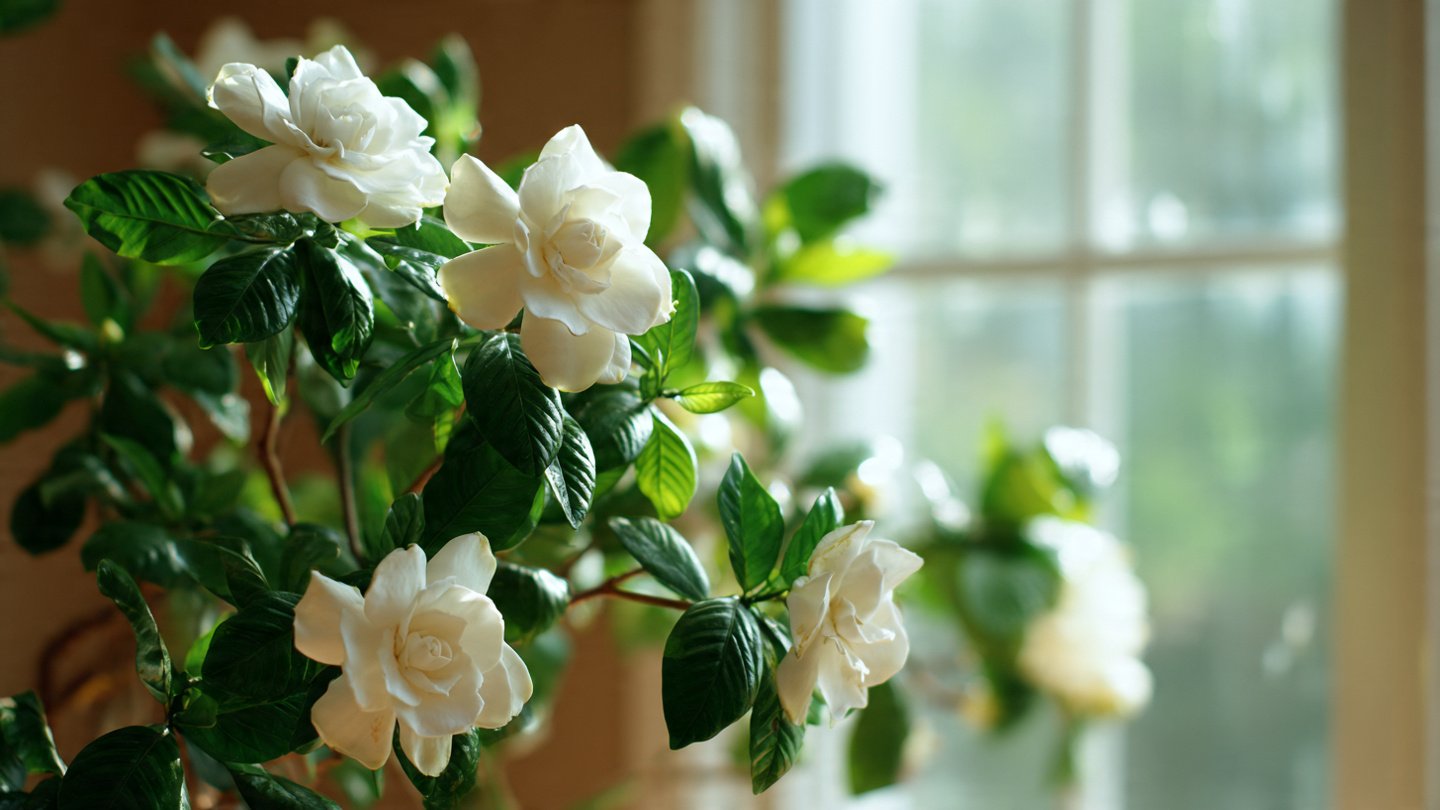
Gardenias belong to the Rubiaceae family and are native to tropical and subtropical regions of Africa. Their iconic creamy white flowers bloom beautifully and release a captivating scent that can fill a room. Gardenias thrive in specific conditions, which makes understanding their needs crucial for indoor gardening success.
Choosing the Right Variety
Not all gardenia varieties are ideal for indoor growth. Some of the recommended varieties for indoor gardening include:
- Gardenia jasminoides: The most common variety, known for its strong fragrance and abundant blooms.
- Veitchii: A compact variety that grows well in pots and has smaller flowers.
- Radicans: This variety has a creeping growth habit and can be trained to grow in different shapes.
Choosing the right variety is the first step towards successfully growing gardenias indoors.
Light Requirements
Gardenias require bright, indirect sunlight. Placing them near a window that receives filtered light is ideal. Direct sunlight can scorch the leaves, while insufficient light may result in poor flowering. Rotate the plant occasionally to ensure even growth, as gardenias tend to lean toward the light source.
Soil and Potting
Using the right potting mix is critical for gardenia health. A well-draining, acidic soil is best. You can create a suitable mix by combining:
- Two parts peat moss
- One part perlite or sand
- One part pine bark
Ensure your pot has drainage holes to prevent waterlogging, which can lead to root rot.
Watering Guidelines
Gardenias prefer consistently moist soil, but overwatering is detrimental. Water when the top inch of soil feels dry to the touch. It’s a good practice to use distilled water or rainwater, as gardenias are sensitive to chemicals often found in tap water, such as chlorine and fluoride.
Humidity Levels
Gardenias thrive in high humidity. Indoor environments can often be dry, especially during winter months. To increase humidity, consider:
- Using a humidifier near your plant.
- Placing a tray of water with pebbles beneath the plant’s pot.
- Misting the leaves regularly, although this should be done in moderation to avoid fungal issues.
Temperature Preferences
Ideal temperatures for gardenias range between 65°F to 70°F (18°C to 21°C) during the day and slightly cooler at night. Avoid placing them near drafts, heating vents, or air conditioners, as sudden temperature changes can stress the plant.
Fertilizing for Growth
Fertilizing gardenias promotes healthy growth and abundant blooms. Use a balanced, water-soluble fertilizer formulated for acid-loving plants, typically every 4-6 weeks during the growing season (spring and summer). Reduce feeding in fall and winter when the plant enters dormancy.
Pest and Disease Management
Common pests affecting gardenias indoors include aphids, spider mites, and mealybugs. Regularly inspect your plants and treat infestations early with insecticidal soap or neem oil. Additionally, gardenias are susceptible to root rot and leaf spot diseases, which can often be prevented with proper watering and drainage practices.
Pruning for Shape and Health
Pruning promotes air circulation and encourages bushier growth. Cut back any dead or yellowing leaves and spent flowers. It’s best to prune gardenias after flowering to avoid cutting off potential blooms for the next season.
Winter Care
During winter, gardenias may experience stress due to reduced light and lower humidity. Consider the following tips for winter care:
- Keep plants near a light source to provide adequate brightness.
- Maintain consistent humidity levels, possibly using a humidifier.
- Avoid fertilizing during the dormant months to prevent stress.
Conclusion
Growing gardenias indoors can be a rewarding experience, filling your space with beauty and an intoxicating fragrance. By understanding their specific needs regarding light, humidity, watering, and soil composition, you can cultivate a thriving gardenia plant. Each step you take, from selecting the right variety to providing proper care, contributes to your indoor gardening success.
FAQs
1. How often should I water my gardenia?
Water your gardenia when the top inch of soil feels dry. Ensure not to let the plant sit in water to avoid root rot.
2. What type of fertilizer should I use?
Use a balanced, water-soluble fertilizer designed for acid-loving plants every 4-6 weeks during the growing season.
3. Why are my gardenia leaves turning yellow?
Yellowing leaves can indicate overwatering, nutrient deficiency, or too little sunlight. Assess your care routine to determine the cause.
4. Can gardenias bloom indoors?
Yes, with proper care, indoor gardenias can produce beautiful blooms and fill your space with fragrance.
5. How do I increase humidity for my gardenia?
Use a humidifier, place a tray of water with pebbles beneath the pot, or mist the leaves regularly to boost humidity levels.