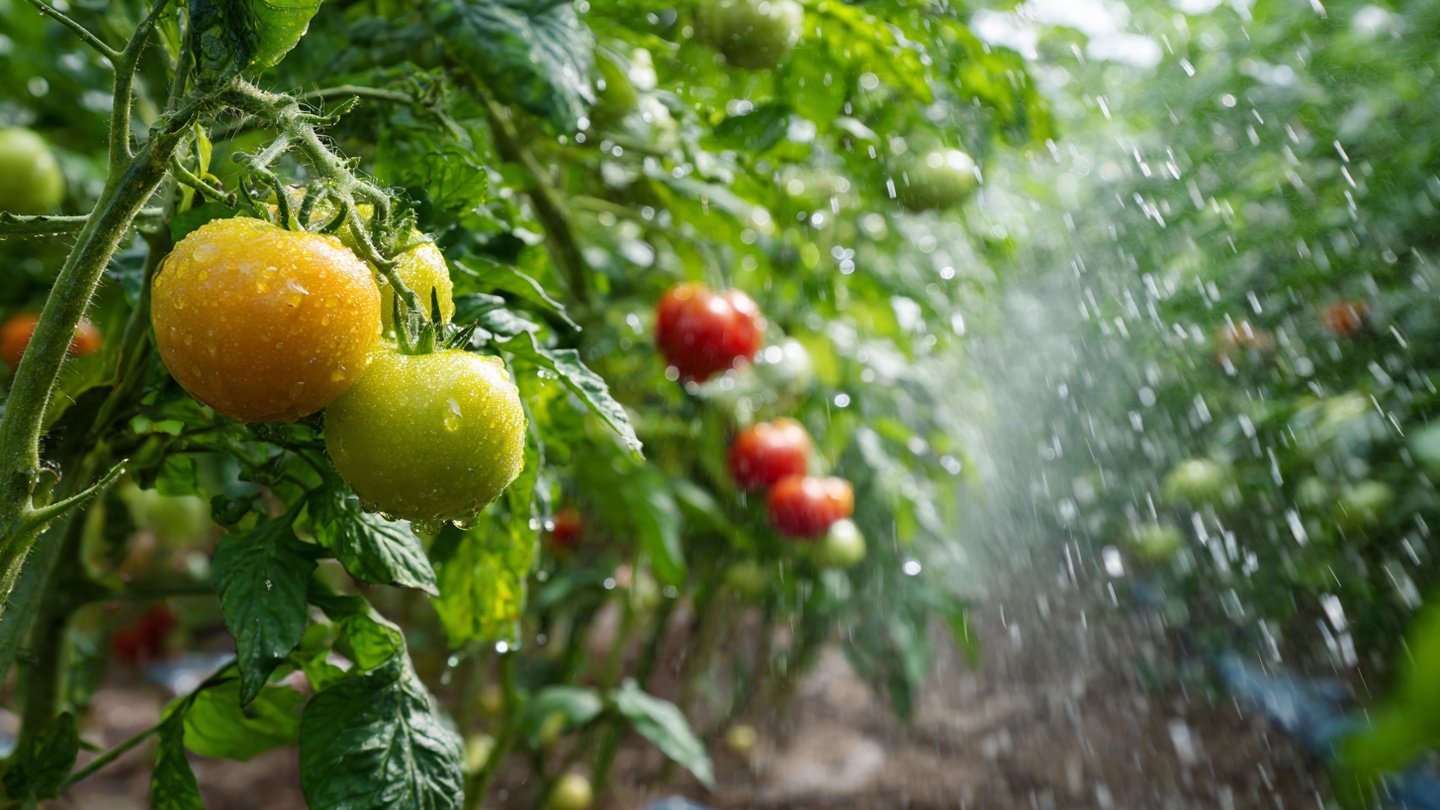
Growing homegrown vegetables is an enriching experience that offers numerous rewards, including the joy of harvesting and savoring fresh produce. However, the cultivation process goes far beyond just planting seeds and waiting for the fruits of labor. One crucial factor that significantly impacts the quality and flavor profiles of homegrown vegetables is the timing and method of watering. This article will explore how watering timing can affect the taste of vegetables, the science behind it, and practical tips for home gardeners seeking to elevate their harvest.
Understanding Plant Physiology
To grasp how watering influences flavor, it is essential to understand the basic physiology of plants. Vegetables absorb water from the soil not only to maintain their structure but also to facilitate essential biochemical processes. The distribution of water influences nutrient uptake, growth rates, and, consequently, the flavor of the vegetables.
The Role of Water in Flavor Development
-
Nutrient Transport: Water serves as a medium for transporting dissolved minerals and nutrients from the soil into the plant. The timing of watering can impact how effectively those nutrients are absorbed. For instance, under-watered plants may not absorb key minerals like nitrogen and phosphorus, resulting in less flavorful, less robust vegetables.
-
Growth Rate: Plants that are consistently well-watered during their growing season tend to grow faster, leading to a more rapid accumulation of carbohydrates and sugars. These sugars significantly influence flavor, making the vegetables taste sweeter and more vibrant.
-
Stress Responses: Conversely, drought stress—when plants receive insufficient water—can lead to enhanced flavor as a stress response. Many plants react to environmental stressors by concentrating flavors and aromas to attract pollinators or deter herbivores. This can often enhance the complexity of flavors in crops like tomatoes and peppers.
Timing Is Everything
While the quantity of water is critical, the timing of watering can be just as influential. Various growth stages have distinct water needs that, when met optimally, can enhance taste.
Seedling Stage
During the initial stages of growth, consistent moisture is essential. Seedlings require enough water to support root development but should not be overly saturated. Overwatering can lead to root rot, adversely affecting the plant’s ability to absorb nutrients and thereby impacting flavor.
Tip: Maintain consistent, light moisture levels during this phase. A gentle misting or light watering every few days can help.
Vegetative Growth Phase
As the plant matures and enters the vegetative phase, its water needs increase substantially. This stage is critical for leaf development and nutrient uptake. Insufficient water can lead to nutrient deficiencies, resulting in bland or undesirable flavors.
One effective practice is to water in the early morning. This timing not only allows for optimal water absorption before the heat of the day increases evaporation rates but also helps the plant store moisture throughout the day.
Tip: Water deeply but less frequently to encourage deep root growth. This foundational root system helps the plant access moisture during dry spells, contributing to better flavor.
Flowering and Fruit Set
During the flowering and fruit set stages, water stress can lead to a range of problems, including blossom drop and fruit cracking. However, a slight reduction in water at this stage—called “controlled stress”—can intensify the flavor of fruits like tomatoes and cucumbers, as the plant produces more sugars and acids in response to stress.
Tip: Begin reducing water slightly once fruit starts to set, but be careful not to let the plant wilt. Monitor closely for signs of stress.
Harvest Timing
The timing of your harvesting is an overlooked aspect of watering and flavor. Vegetables picked at their peak ripeness often showcase the best flavors. Overly watered plants may produce fruit that is larger but has watered-down taste.
Tip: Perform a taste test before harvesting. Picking vegetables at optimal ripeness contributes significantly to achieving the desired flavor profile.
The Science Behind Flavor Profiles
The complex flavors of vegetables come from many compounds, including sugars, organic acids, and volatile aromatic compounds. The interaction between water uptake and these compounds can be understood through several scientific principles.
Sugar Concentration
Sugar concentration plays a pivotal role in the flavor profile of vegetables. Watering practices directly affect how sugar levels are built up in the fruits and vegetables. Adequate watering during the growing phase allows plants to accumulate sugars in a balanced manner, resulting in a sweeter taste. Under stressful conditions, however, the sugar concentration may rise due to reduced water availability, making the vegetable taste sweeter but also sometimes resulting in an imbalance.
Organic Acids
Organic acids contribute to the overall flavor complexity of vegetables. Tomatoes, for example, contain citric acid and malic acid, contributing to the tangy flavor many people love. Water availability impacts the synthesis of these acids, affecting the balance between sweetness and acidity. Consistently watered plants may produce a lower concentration of acids, potentially leading to a less interesting flavor profile.
Aromatic Compounds
Aromatic compounds are responsible for the distinctive odors and flavors in plants. Watering practices, particularly those that induce mild stress, can result in increased production of these aromatic compounds. Herbs like basil and mint tend to exhibit stronger scents and flavors when mildly stressed due to water deficiencies.
Practical Watering Techniques for Enhanced Flavor
To harness the benefits of proper watering timing in your vegetable garden, consider the following strategies:
1. Timing & Frequency
- Morning Watering: Water early in the morning to minimize evaporation and maximize absorption.
- Deep Watering: Water less frequently but deeply to encourage strong root systems.
2. Soil Monitoring
- Moisture Assessment: Regularly check soil moisture levels using tools like moisture meters or by simply digging a small hole. This will help you determine when to water.
3. Mulching
- Soil Retention: Applying a layer of mulch can help retain moisture in the soil, reducing the frequency of watering and preventing stress on the plants.
4. Drip Irrigation Systems
- Efficient Delivery: Consider using a drip irrigation system that delivers water directly to the roots, providing consistent moisture without the excess evaporation typical of overhead watering.
5. Fertilizing Techniques
- Balanced Nutrients: Use organic fertilizers to provide a balanced diet without excessive salts that might alter water absorption. This is crucial for achieving optimal flavor.
6. Taste Testing
- Check for Flavor Development: As fruits and vegetables approach maturity, continuously taste test. This will give you insight into how your watering practices influence flavor.
Specific Vegetables: A Flavor-Focused Perspective
Certain vegetables are more sensitive to watering practices when it comes to flavor.
-
Tomatoes: Known for their sweetness and acidity, tomatoes can exhibit a pronounced flavor based on watering. Controlled stresses, like minimal watering prior to harvest, can enhance their taste.
-
Carrots: The timing of watering can impact sugar concentration in carrots. Consistent moisture during growth can lead to optimal sweetness, while stress can enhance flavor.
-
Peppers: Peppers may become spicier with controlled stress. Slightly reducing water during fruit development can intensify their flavor profile.
-
Lettuce and Greens: These vegetables flourish with consistent moisture but can become bitter if they experience too much heat combined with water stress.
Conclusion
Influencing the flavor profiles of homegrown vegetables is more than just about selection and growing conditions; it is intricately linked to watering practices and timing. By understanding the physiological and biochemical responses of plants to water, gardeners can employ specific techniques to enhance the flavors of their homegrown produce. From seedling to harvest, attention to watering timing plays a vital role in the complex interplay of nutrients, sugars, acids, and aromatic compounds.
Armed with this knowledge, home gardeners can cultivate a vegetable patch that not only yields bountiful harvests but also delights the palate with rich and diverse flavors. Whether you are a novice gardener or a seasoned green thumb, adjusting your watering practices to factor in timing can elevate your vegetable growing game to new heights. Embrace the art and science of watering, and watch as your garden transforms into a flavor paradise.