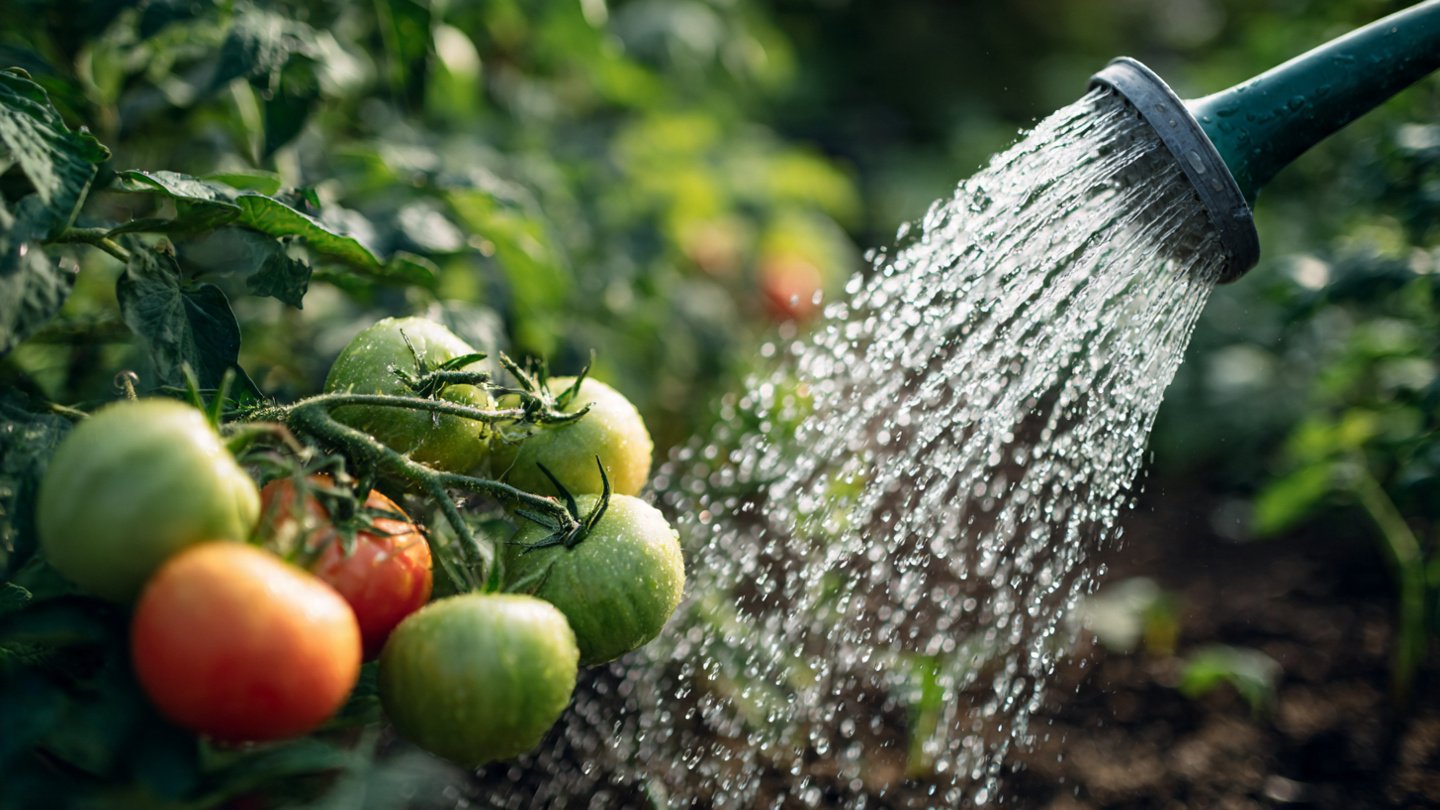
Watering is a critical aspect of vegetable gardening and significantly influences the health, growth, and flavor of the crops. Among various factors affecting the taste of vegetables, watering timing plays a pivotal role, especially when it comes to enhancing sweetness. Understanding the correlation between watering practices and vegetable sweetness can lead to better gardening strategies, resulting in a more fruitful harvest.
The Importance of Watering Timing
Vegetables require a consistent supply of water for optimal growth. However, it’s not just the quantity of water that matters but also when and how it is provided. Proper watering timing can help manage stress factors that ultimately influence the plant’s physiology, including sugar accumulation and the development of flavor.
Photosynthesis and Watering
Photosynthesis is the process through which plants convert sunlight into energy, producing sugars in the leaves. For this process to function efficiently, plants need an adequate supply of water. If they receive too much or too little water, photosynthesis can be inhibited, which in turn affects sugar production and the overall flavor profile of the vegetables.
Understanding Soil Moisture
Soil moisture plays a vital role in determining the best times to water vegetables. The moisture level impacts not only the plant’s growth but also its ability to absorb nutrients. Monitoring soil moisture can help gardeners make informed watering decisions. The right timing can ensure that plants are not over-watered, which can dilute sugar concentration, or under-watered, which can lead to stress and inhibit sugar development.
Optimal Watering Strategies
Time of Day
When you water your vegetables can significantly influence their sweetness. The best times to water are early in the morning and late in the afternoon or evening. Watering during these periods minimizes evaporation losses and allows plants to absorb moisture effectively.
Morning watering helps plants prepare for the heat of the day, ensuring they maintain turgor pressure, which is essential for fruit and vegetable development. Conversely, watering in the late afternoon allows plants to absorb moisture overnight, fostering humidity levels conducive to nutrient uptake.
Frequency and Amount of Water
Consistency is key. Regular, moderate watering encourages deeper root growth, which means plants can tap into moisture reserves and nutrients better. Frequent, shallow watering may lead to shallow roots, making plants more susceptible to stress and therefore affecting sweetness.
Watering During Dry Spells
During dry periods or heat waves, plants experience stress, often leading to a higher concentration of sugars in the fruit and vegetables as the plant works to conserve water. However, too much stress can lead to wilting, which has the opposite effect. Therefore, it’s crucial to find a balance during such periods.
The Impact of Water Quality
The quality of water used for irrigation can also influence taste. Chlorinated tap water, for example, can have distinct effects on flavor. If possible, using rainwater or water from a well— which is generally free from additives—can improve the taste of fruits and vegetables.
Crops That Benefit Most from Optimized Watering
Some crops are particularly sensitive to watering timing and methods:
1. Tomatoes
Tomatoes thrive when watered consistently. The sweetness of tomatoes tends to increase when they are watered with less frequency. This encourages the plant to produce sugars as a natural response to stress. However, plants should never be allowed to completely dry out.
2. Carrots
Carrots also benefit from strategic watering. Too much moisture can lead to bland, tasteless roots, while inconsistent watering can lead to sponginess. Regular, moderate watering encourages a robust and sweet carrot.
3. Peppers
Bell peppers and other varieties are also sensitive to watering practices. Water stress can help enhance the sweetness in peppers, but excessive stress can lead to bitterness. Maintaining a balance is crucial.
Soil Health and Watering
Watering strategies should also consider soil health. Healthy soil retains moisture better and allows better nutrient uptake, which is critical for flavor development. Adding organic matter, such as compost, can improve soil structure and moisture retention, leading to healthier and tastier vegetables.
Conclusion
Watering timing is a foundational aspect of successful vegetable gardening. It influences not only the growth and health of plants but also directly impacts the flavor of the crops. By implementing optimal watering strategies—focusing on the time of day, frequency, and soil moisture—gardeners can maximize the sweetness of their harvests. Balancing moisture levels and recognizing the specific needs of different crops can lead to a garden full of flavorful, sweet vegetables.
FAQs
1. How often should I water my vegetables?
The frequency of watering depends on the type of vegetable, soil conditions, and weather. Generally, you should water when the top inch of soil feels dry.
2. Is it better to water in the morning or evening?
Watering in the morning is usually better as it allows plants to absorb moisture before the day’s heat. Evening watering can also be effective but may encourage fungal diseases if it leaves foliage wet overnight.
3. Can I over-water my plants?
Yes, over-watering can dilute the sugars in vegetables, leading to bland flavors and can also cause root rot.
4. What is the impact of using tap water on the flavor of vegetables?
Chlorinated or chemically treated tap water can affect the taste. Using rainwater or unchlorinated well water is often preferable for enhancing flavor.
5. Do all vegetables need the same amount of water?
No, different vegetables have varying water needs. It’s essential to research the specific requirements of each crop you are growing.