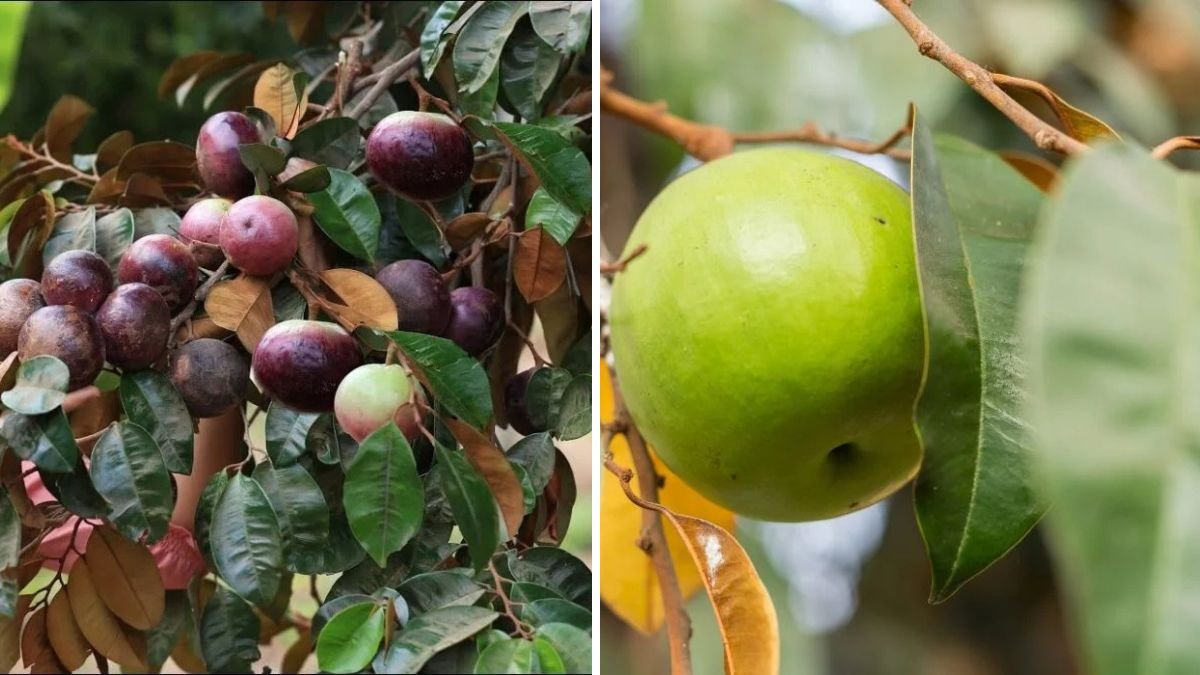
Mil fruit, also known as Mimusops elengi or sometimes referred to by its local names, is a tropical fruit prized for its sweet, aromatic pulp and nutritional benefits. While enjoying mil fruit straight from the tree is delightful, the real reward comes when you learn how to propagate it effectively to increase your harvest. Whether you are a backyard gardener or a small-scale farmer, mastering propagation can help you enjoy a plentiful supply of this delicious fruit year after year.
In this article, we’ll explore the best techniques for propagating mil fruit, including seed propagation, grafting, and cutting methods. We’ll also discuss important tips for nurturing your young plants so they grow healthy, strong, and productive.
1. Understanding Mil Fruit and Its Growing Conditions
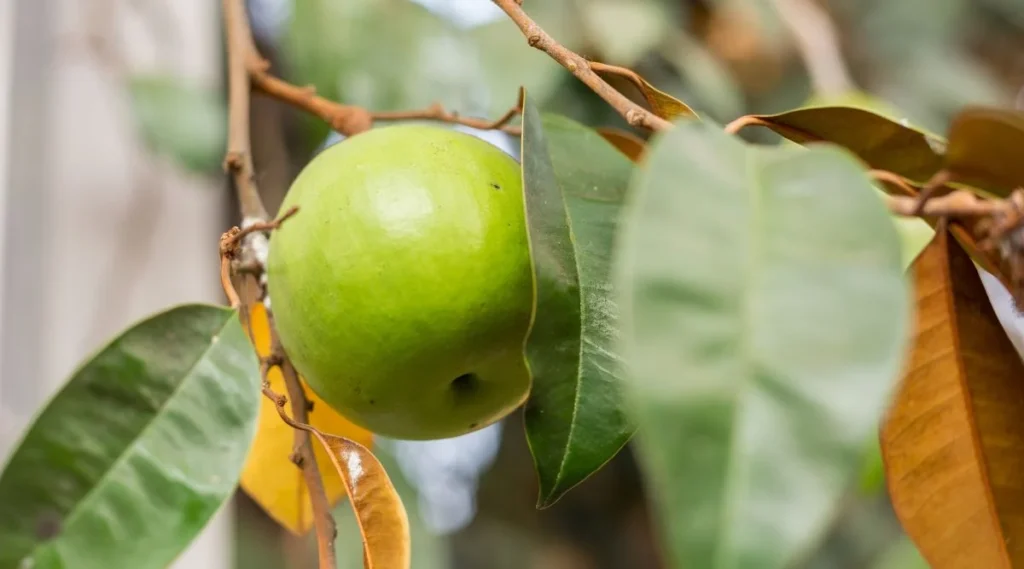
Before you dive into propagation, it’s crucial to understand the tree itself. Mil fruit trees thrive in tropical and subtropical climates. They prefer:
- Well-drained soil: Sandy loam soils with good organic content are ideal.
- Sunlight: Full sun exposure ensures healthy growth and optimal fruit production.
- Watering: Regular watering is essential, especially during the dry season, but avoid waterlogging.
- Temperature: Mil fruit trees grow best in temperatures ranging from 20°C to 35°C (68°F–95°F).
Knowing these conditions will help you create the perfect environment for your propagated plants.
2. Propagating Mil Fruit from Seeds
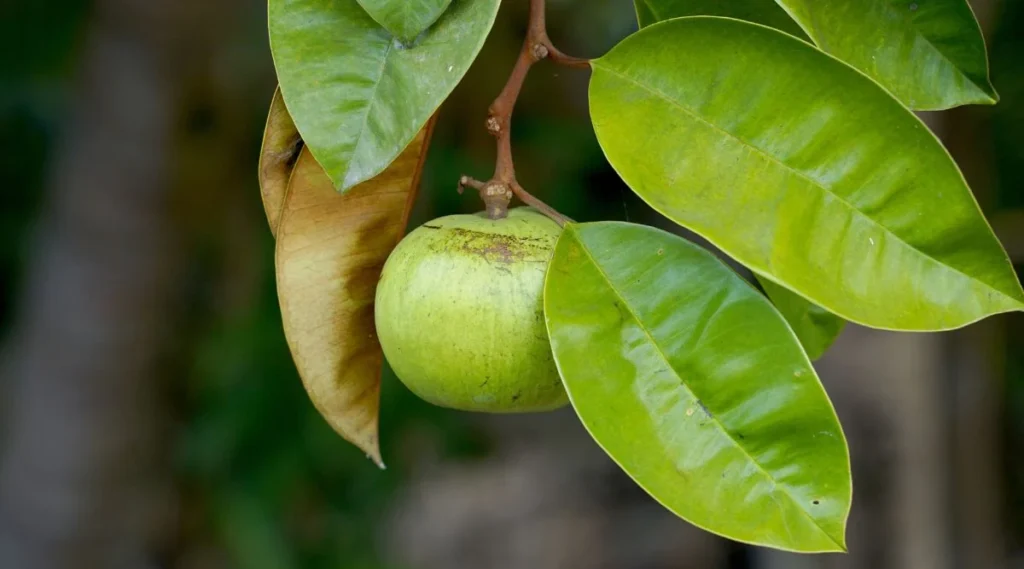
Seed propagation is one of the simplest ways to multiply your mil fruit trees. Here’s how to do it effectively:
Step 1: Select the Right Fruits
Choose fully ripe, healthy mil fruits from a mature tree. Avoid fruits with blemishes or signs of disease, as this can affect seed viability.
Step 2: Extract and Clean Seeds
Remove the pulp from the fruit and wash the seeds thoroughly. Cleaning the seeds helps prevent fungal infections during germination.
Step 3: Pre-Germination Treatment
To speed up germination, soak the seeds in water for 24–48 hours. Some gardeners also recommend treating seeds with a mild fungicide to reduce the risk of rot.
Step 4: Prepare the Seed Bed
Use a mixture of sand, soil, and compost to create a nutrient-rich seed bed. Sow the seeds about 1–2 cm deep. Keep the soil moist but not waterlogged.
Step 5: Germination and Care
Seeds typically germinate within 3–6 weeks. During this period, protect young seedlings from direct sunlight and pests. Once they develop a few sets of leaves, they can be transplanted to larger pots or directly into the ground.
Advantages of Seed Propagation:
- Easy and cost-effective.
- Allows genetic diversity, which can produce robust trees.
Disadvantages:
- Trees may take longer to bear fruit (5–8 years).
- Fruit quality may vary compared to the parent tree.
3. Propagating Mil Fruit by Grafting
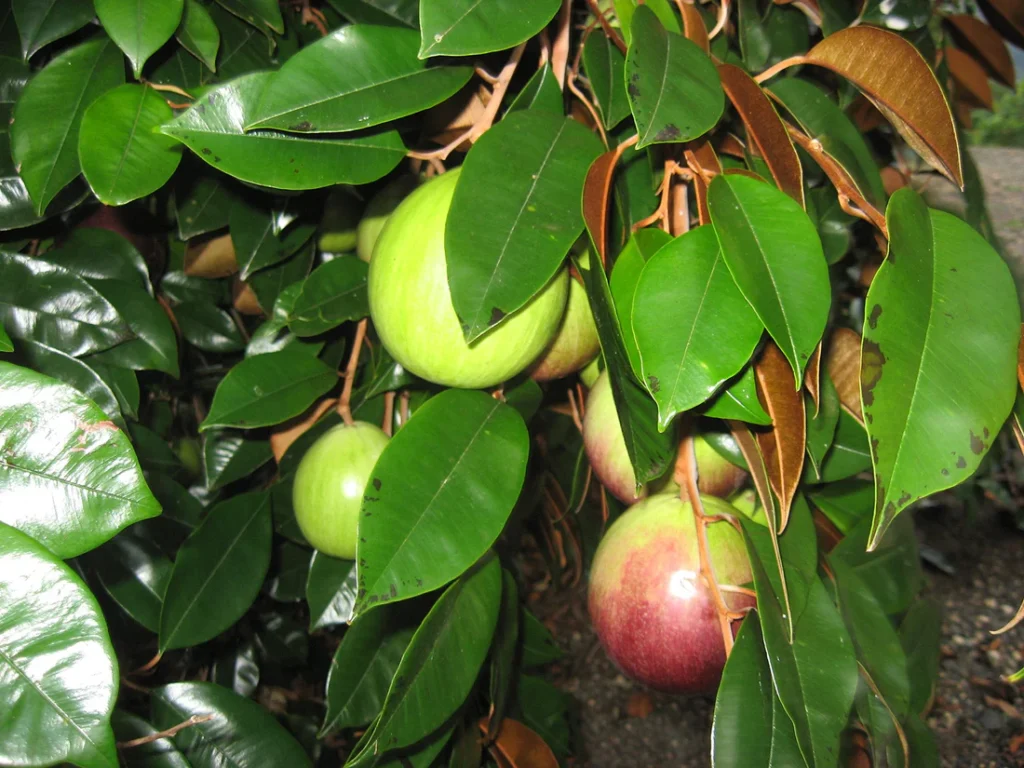
Grafting is an advanced propagation method that ensures your new trees inherit the desirable traits of the parent plant. This method is ideal for maintaining fruit quality and speeding up production.
Step 1: Select a Healthy Scion and Rootstock
- Scion: A young, healthy branch from a mature mil fruit tree.
- Rootstock: A strong seedling or existing tree that is disease-free.
Step 2: Choose a Grafting Technique
Common methods include:
- Cleft Grafting: Suitable for larger rootstocks.
- Whip and Tongue Grafting: Works well for medium-sized branches.
Step 3: Perform the Graft
Make a clean cut on both the scion and rootstock, ensuring the cambium layers align perfectly. Secure the graft with grafting tape or wax.
Step 4: Care for the Grafted Plant
Place the grafted plant in a shaded area for 2–3 weeks. Water regularly and protect from pests. Once the graft heals and new growth appears, gradually expose the plant to full sunlight.
Advantages of Grafting:
- Faster fruit production (2–3 years).
- Ensures the new tree has the same fruit quality as the parent tree.
- Reduces susceptibility to certain diseases.
Disadvantages:
- Requires skill and practice.
- Slightly higher cost due to scion and grafting materials.
4. Propagating Mil Fruit from Cuttings
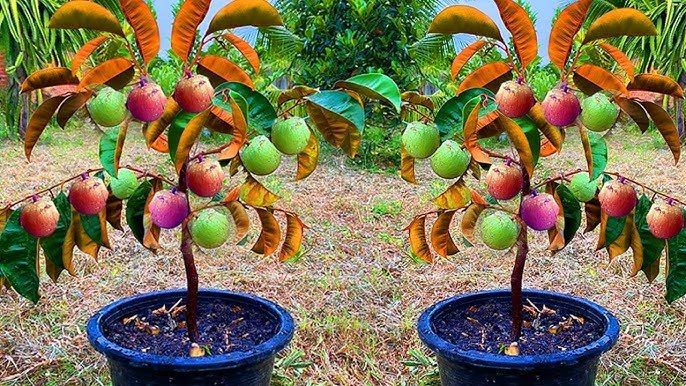
Vegetative propagation through cuttings is another effective way to produce multiple mil fruit plants.
Step 1: Select the Cutting
Choose a healthy branch of 1-year-old wood, about 20–30 cm in length. Cut just below a node using a sharp, sterile knife.
Step 2: Prepare the Cutting
Remove leaves from the lower half of the cutting and dip the cut end in rooting hormone to encourage root development.
Step 3: Plant the Cutting
Insert the cutting into a pot filled with a mixture of sand, soil, and compost. Keep the soil consistently moist and cover the cutting with a plastic bag to maintain humidity.
Step 4: Root Development and Care
Roots usually develop in 4–6 weeks. Once the cutting shows new growth, gradually acclimate it to outdoor conditions before transplanting it to a permanent location.
Advantages of Cuttings:
- Produces fruit faster than seed propagation.
- Maintains the parent tree’s characteristics.
Disadvantages:
- Rooting success can vary.
- Requires careful monitoring of humidity and moisture.
5. Tips for Maximizing Success in Mil Fruit Propagation
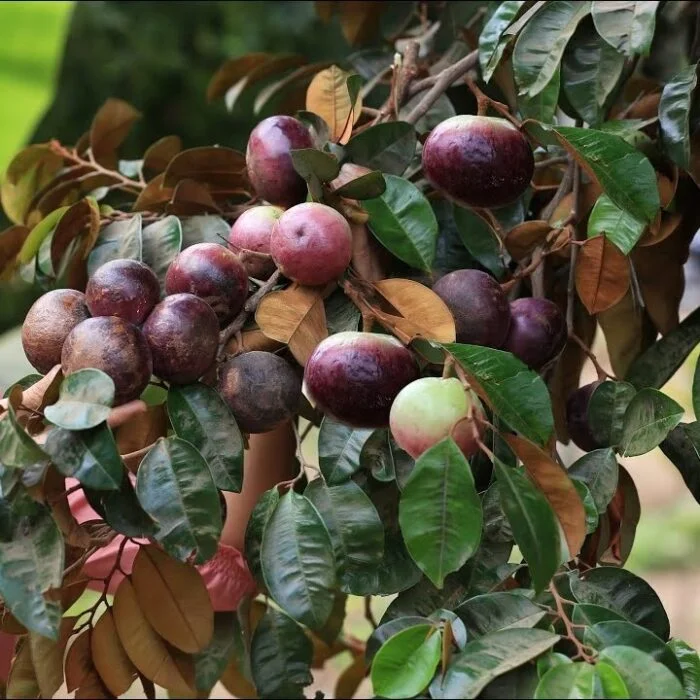
To ensure your propagated mil fruit plants thrive:
- Maintain Soil Health: Regularly add compost and organic matter to enrich the soil.
- Pest and Disease Management: Monitor young plants for pests and treat them early to prevent damage.
- Adequate Watering: Keep seedlings and grafted plants hydrated, especially during dry periods.
- Proper Spacing: Give trees enough space to grow and avoid overcrowding, which can reduce fruit yield.
- Pruning: Prune regularly to shape the tree and encourage better fruit production.
6. Conclusion
Propagating mil fruit is both rewarding and practical for anyone who wants to increase their harvest. While seed propagation is simple and cost-effective, grafting and cuttings allow you to maintain fruit quality and speed up production. By choosing the right method and giving your young plants proper care, you can enjoy a steady supply of this fragrant and nutritious fruit for years to come.
Remember, the key to successful propagation lies in patience, attention to detail, and nurturing your plants with love. Whether you are starting with a single seed or a grafted scion, the journey from a tiny plant to a fruitful mil tree is immensely satisfying and well worth the effort.