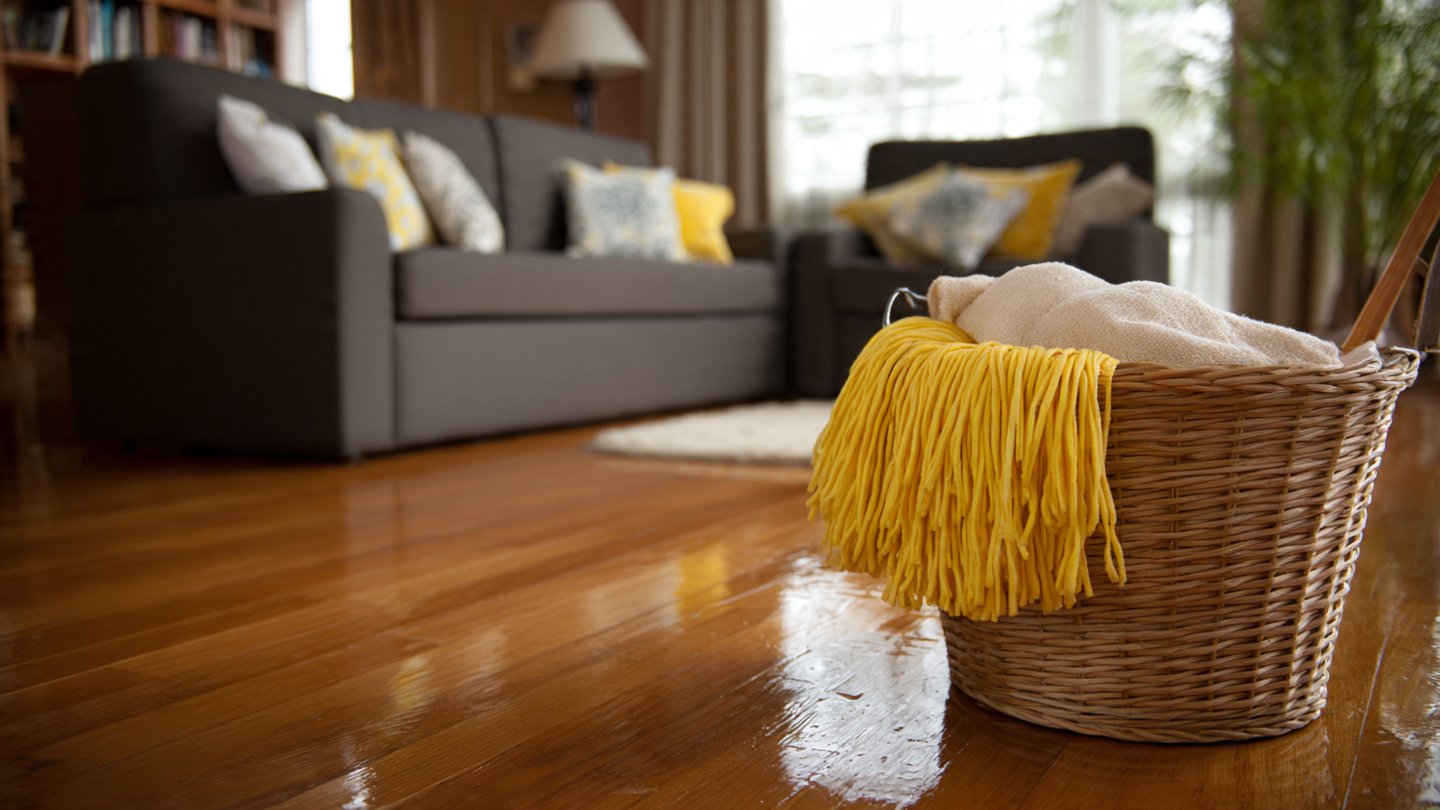
Maintaining a clean home is paramount for fostering a healthy and welcoming environment. Mopping is a staple of household cleaning, effectively ridging floors of dirt and grime. However, many individuals experience an unpleasant surprise immediately after mopping—an unwanted odor that can linger long after the floor has dried. In this article, we will delve into the reasons behind these odors, how to prevent them, and strategies to mitigate the issue.
The Science of Odors: What Causes Them?
1. Bacteria and Mold Growth
One of the primary reasons for unpleasant odors after mopping stems from bacteria and mold. Floors can harbor microscopic organisms, particularly in damp areas or places where spills frequently occur. When you mop, the agitation of the mop can dislodge these organisms. If floors remain wet for too long, the moisture creates an ideal environment for bacteria and mold to thrive, resulting in a musty or sour smell.
2. Dirty Mop or Cleaning Solution
Utilizing a filthy mop or an ineffective cleaning solution can be a significant contributor to unpleasant smells. Over time, mop heads can accumulate dirt, grime, and bacteria. When you mop clean floors with a soiled mop, you’re essentially spreading these unpleasant particles back onto the surface you’re trying to clean. Furthermore, if a cleaning solution is not well-suited for your flooring type or doesn’t neutralize odors correctly, it can exacerbate the smell rather than eliminate it.
3. Hard Water Residue
In many regions, hard water is a common issue characterized by high mineral content, primarily calcium and magnesium. When mopping with hard water, residues can remain on the floor after evaporation, leading to a chalky film that attracts dirt and can emit an unpleasant odor over time.
4. Inadequate Cleaning Routine
Sometimes, the problem is not just during mopping but rather part of a larger cleaning issue. If the floors are not regularly maintained, built-up grime and dirt can produce odors that become more pronounced when moisture is introduced through mopping.
Identifying the Source of the Odor
To effectively tackle the odor issue, it’s essential to pinpoint the underlying cause. Here are a few steps you can follow to help identify the problem:
1. Inspect the Mop
Check whether your mop head is excessively dirty or worn out. A dirty mop can emit bacteria and odors. If it’s beyond cleaning or showing signs of wear, consider replacing it entirely.
2. Review Your Cleaning Solutions
Evaluate the cleaning products you are using. Are they designed for your floor type? Some all-purpose cleaners can leave behind residues that cause odors. Opt for products specifically formulated for your flooring to ensure cleanliness without leaving unpleasant smells.
3. Observe Drying Time
Pay attention to how long the floors remain damp after mopping. If they stay wet for an extended period, you may have inadequate ventilation or humidity levels in your home. High humidity can hinder quick drying, leading to mold and mildew growth.
4. Check for Underlying Issues
Examine for potential underlying issues such as leaks or moisture accumulation beneath the flooring, which can contribute to persistent odors. If you suspect this may be the case, consider consulting a professional.
Preventing Unpleasant Odors
Prevention is significantly easier and more effective than remediation. Here are several strategies to help ensure your floors remain odor-free:
1. Regular Maintenance
Establish a routine cleaning schedule that includes vacuuming and dry mopping to remove particles that could contribute to odors. Regularly clean your mop head and replace it as necessary to ensure effective cleaning.
2. Choose Effective Cleaning Solutions
Select high-quality cleaning products that are designed to eliminate odors rather than mask them. Natural options, such as vinegar or baking soda, can also neutralize odors effectively. However, ensure that these solutions are compatible with your floor type.
3. Ensure Proper Drying
After mopping, improve airflow in the area by opening windows or using fans. This can significantly speed up the drying process, reducing the chances for bacteria and mold to thrive. Aim for a dry floor within a couple of hours after cleaning.
4. Monitor Humidity Levels
Consider using a dehumidifier in high-humidity areas of your home. Keeping the indoor humidity between 30-50% minimizes the risk of mold and mildew growth, helping maintain a fresh scent in your home.
5. Address Hard Water Issues
If you live in an area with hard water, consider using a water softener. This will help reduce mineral build-up that can contribute to odors. Additionally, using distilled water for mopping can mitigate these effects.
Addressing Existing Odors
If you are currently dealing with unpleasant odors post-mopping, here are steps to effectively address the problem:
1. Deep Clean the Floors
Start with a thorough cleaning of your floors using a mixture of vinegar and water (1:1 ratio) to neutralize odors. This works well on tile and vinyl. For hardwood floors, opt for a specialized cleaner.
2. Disinfect the Mop
If your mop head is machine washable, run it through a hot cycle with detergent to kill bacteria and eliminate odors. For string mops, consider soaking in a bleach solution (as directed) to disinfect.
3. Use Baking Soda
Sprinkling baking soda on the floor can absorb odors. Let it sit for a few hours before vacuuming it away. This can be done in conjunction with your typical mopping routine.
4. Utilize Essential Oils
For a pleasant scent after mopping, consider adding a few drops of essential oil (like tea tree or lavender) to your cleaning solution. These not only mask odors but can also provide antimicrobial benefits.
5. Check for Moisture Accumulation
If the unpleasant odor persists, check more thoroughly for moisture issues under carpets or flooring. If necessary, consult a professional to identify and resolve the underlying problem, such as leaks or water damage.
When to Seek Professional Help
If you’ve attempted several remedies without success, it may be time to seek professional cleaning or inspection services. They can offer specialized equipment and techniques to tackle stubborn odors and underlying issues, such as mold remediation.
1. Mold Remediation Services
If mold or mildew is identified as the source of odors, consider hiring a professional mold remediation service. They can safely and effectively remove mold and prevent future growth.
2. Plumbing Inspection
If lingering odors suggest water damage or leaks, professional plumbers can inspect your home’s plumbing and address any potential leaks or damaged fixtures.
Conclusion
Unpleasant odors after mopping can be more than just an annoying inconvenience; they indicate underlying issues that need addressing. By understanding the causes—ranging from dirty mops and inadequate cleaning solutions to humidity and hard water—you can take proactive measures to ensure your home remains fresh and welcoming.
Maintaining a clean home requires vigilant and informed cleaning habits. By following the guidelines outlined in this article, homeowners can minimize unpleasant odors and foster a healthier living environment. Whether employing regular maintenance, selecting the appropriate products, or seeking professional help when necessary, a little effort goes a long way in achieving odor-free, sparkling clean floors.