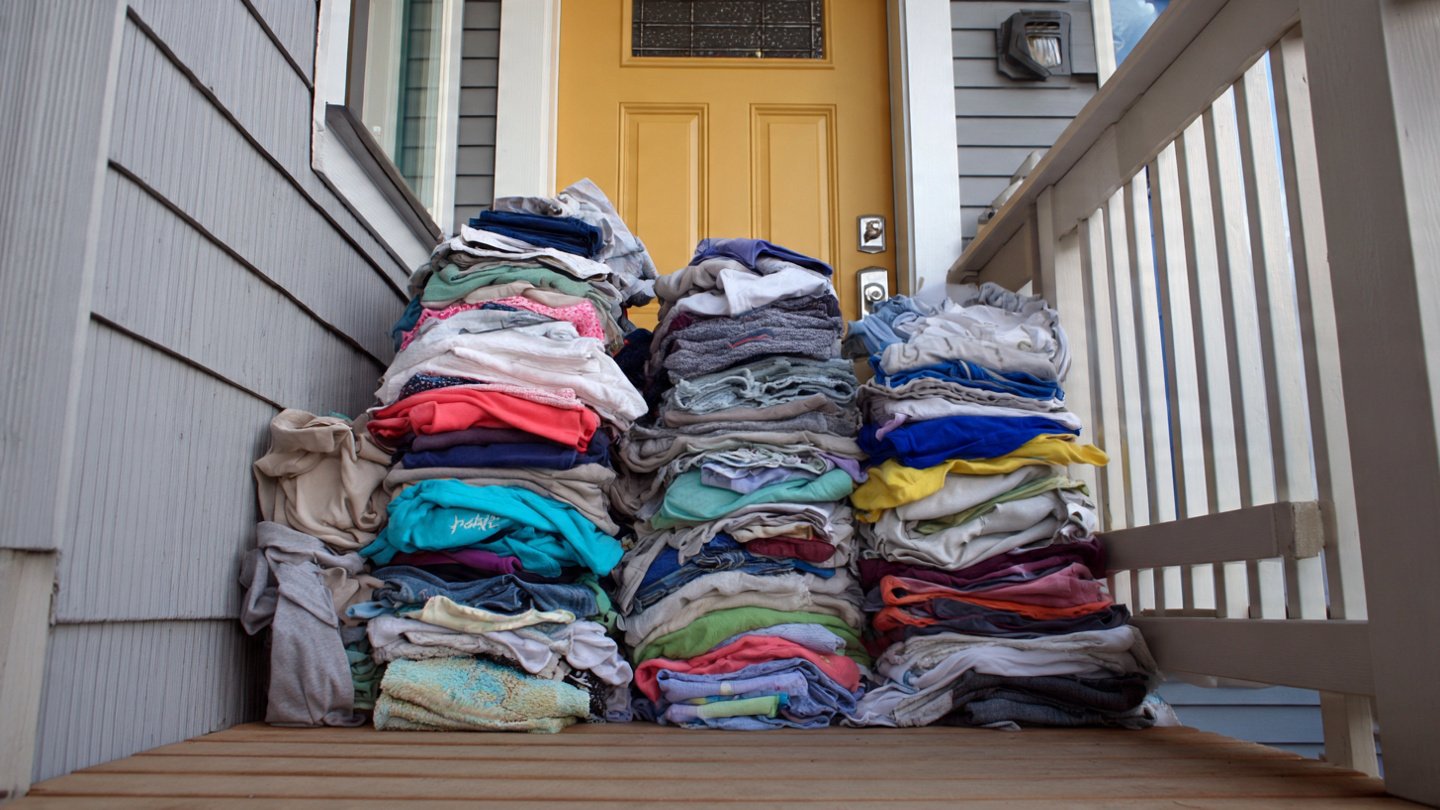
In modern households, laundry piles seem to grow almost at an alarming rate. Many families find themselves grappling with an ever-increasing accumulation of clothing and textiles, whether it’s from daily wear, family activities, or the demands of contemporary lifestyles. This article will explore the factors contributing to the rapid growth of laundry piles, the implications for household management, and insights on how to combat this dilemma.
The Dynamics of Modern Lifestyles
To understand why laundry piles are spiraling out of control, it’s essential to consider the rapidly evolving dynamics of modern life. Key trends include:
- Increased Clothing Consumption: Fast fashion has significantly lowered the cost of clothing, leading to consumers purchasing more items than necessary.
- Changing Work Environments: Flexible work schedules and remote working have blurred the lines between home and professional attire, contributing to larger amounts of laundry.
- Busy Family Life: With children involved in multiple extracurricular activities, each family member generates a unique set of laundry demands, further compounding the problem.
The Role of Technology
Technological advancements have also played a role in both the accumulation and management of laundry piles. Washing machines and dryers are now more accessible and efficient, encouraging households to do multiple loads at once. However, this convenience can lead to procrastination where washing is done but folding is neglected, resulting in the dreaded laundry pile.
Smart Appliances
Smart appliances have revolutionized how we manage laundry. With features such as app control, cycle notifications, and energy-saving modes, they can streamline the laundry process. However, convenience can also lead to complacency. Many households may rely heavily on technology without developing good laundry habits, leading to larger piles over time.
Psychological Factors
The buildup of laundry can also be attributed to psychological aspects. The simple act of doing laundry is often seen as a mundane chore, leading to avoidance and procrastination. Common psychological factors include:
- Task Overwhelm: The sheer volume of laundry can be daunting, causing individuals to feel overwhelmed and less likely to tackle the task.
- Lack of Organization: Without designated spaces or systems for managing laundry, it often becomes a catch-all for clothing, towels, linens, and even miscellaneous items.
- Time Stress: Busy schedules limit available time for managing laundry, leading to delayed folding and eventual pile-up.
Strategies for Managing Laundry Piles
Fortunately, there are effective strategies to manage and reduce laundry piles, enabling a more organized and efficient approach to household laundry:
1. Establish a Laundry Schedule
Create a consistent laundry routine that fits within your weekly schedule. Designating specific days for washing, folding, and putting away clothes can help make the task feel less overwhelming.
2. Sort as You Go
Implement a sorting system in your laundry area where you can separate items into categories such as whites, colors, and delicates. Using hampers or bins for each category can save time when it’s time to wash.
3. Involve the Whole Family
Involve all family members in the laundry process. Assign age-appropriate tasks to children, such as sorting clothes, folding, or putting them away. This not only reduces your workload but also teaches them valuable life skills.
4. Declutter Your Wardrobe
Regularly assess your clothing and remove items that no longer fit or that you haven’t worn in a long time. A simplified wardrobe can lead to less laundry and make it easier to keep on top of what you own.
5. Utilize Technology Wisely
Make the best use of technology without letting it lead to complacency. Set reminders for when to start and finish laundry, or use smart appliances to schedule loads during off-peak hours.
Conclusion
The rapid growth of laundry piles in modern homes is influenced by a complex interplay of lifestyle changes, consumer behaviors, and technological advancements. By recognizing the contributing factors and employing effective management strategies, households can regain control of their laundry situation. Ultimately, addressing this issue enhances not only the efficiency of household management but also reduces stress and promotes a more organized living environment.
Frequently Asked Questions (FAQs)
1. Why do laundry piles seem to grow overnight?
Laundry piles can accumulate quickly due to increased clothing consumption, busy lifestyles, and procrastination in folding and putting away clean laundry.
2. How can I encourage my family to help with laundry?
Involve family members by assigning specific tasks according to their age and capability. Making laundry a team effort can reduce your workload and make it a more manageable chore.
3. What is the best method to avoid procrastination with laundry?
Set a laundry schedule that fits your lifestyle, and stick to it. Breaking the task into smaller, more manageable steps can also help reduce feelings of overwhelm.
4. How often should I do laundry to stay on top of piles?
The frequency of laundry depends on your household’s specific needs, but a common guideline is to do laundry at least once or twice a week to prevent large accumulations.
5. What should I do with clothes that I haven’t worn in a long time?
Evaluate your wardrobe and donate or discard items that no longer fit or that you haven’t worn in over a year. Reducing your clothing collection can help minimize laundry needs.