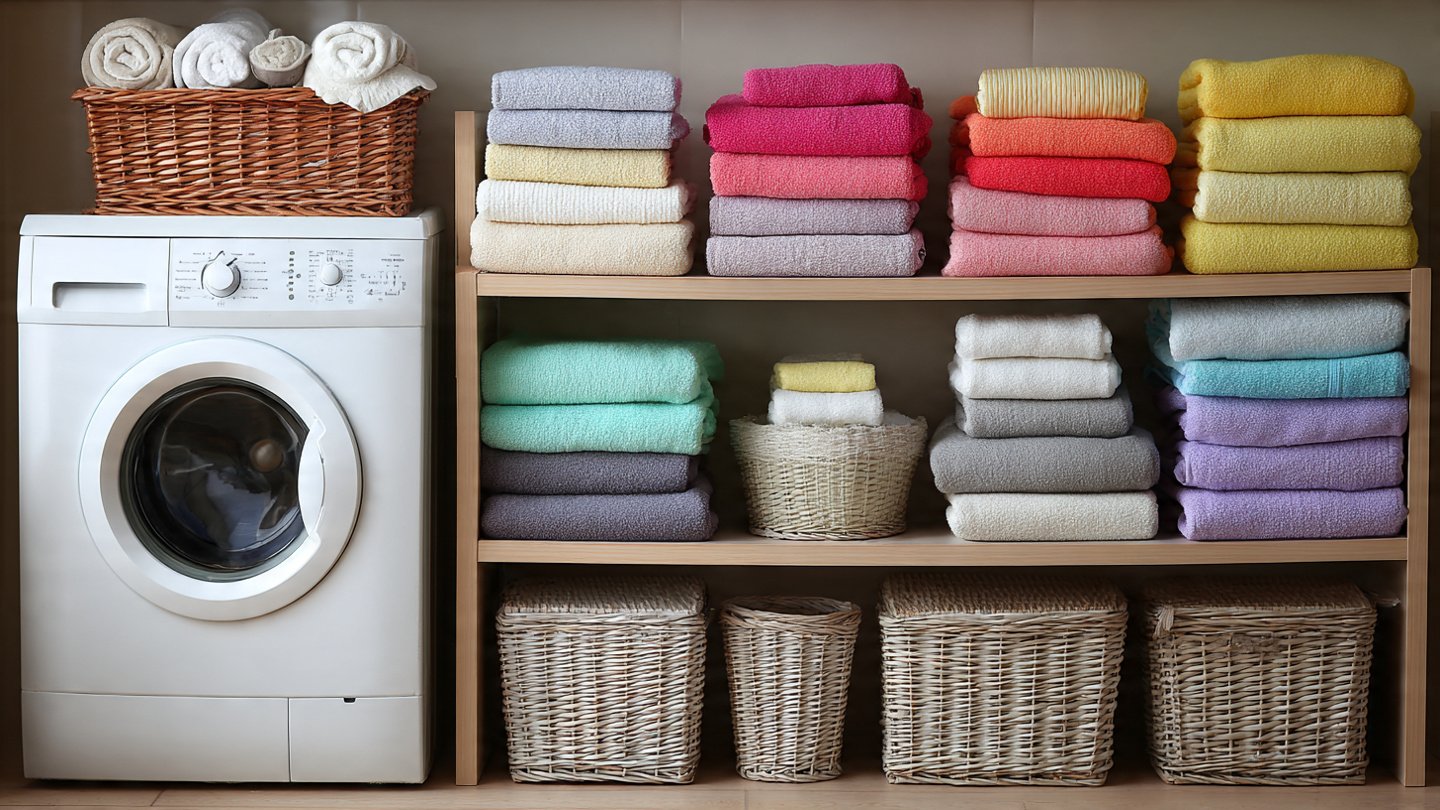
In recent years, there has been a noticeable shift in the domestic landscape, particularly concerning laundry practices. As society evolves, so do its practices and priorities. The growth of laundry in modern households is attributed to various intertwined factors, including changes in lifestyle, technological advancements, and the rise of e-commerce.
The Shift in Lifestyle and Household Dynamics
One of the most significant shifts has been in the lifestyle of average families. With busy schedules and a growing emphasis on convenience, households are moving towards more efficient laundry practices. This change can be traced back to the demographic trends of smaller households and dual-income families where time scarcity becomes an ever-increasing concern.
Technological Advancements in Laundry Equipment
The rapid growth of laundry in modern households has also been fueled by technological advancements. Modern washers and dryers come equipped with smart technology that enhances the laundry experience. Features such as app integration, energy-efficient cycles, and even self-diagnosing issues add layers of convenience that entice consumers.
Smart Washer and Dryer Models
Smart washers and dryers can be controlled remotely, allowing users to start, pause, or stop cycles from their smartphones. This functionality is not only convenient but also energy efficient. Many of these models provide updates, allowing families to plan their laundry time effectively.
Energy Efficiency and Water Conservation
Many manufacturers are putting a significant emphasis on energy efficiency and water conservation in their products. The introduction of front-loading washers, which use less water and energy than traditional top-loading models, has contributed to sustainable laundry practices. Households are now more aware of their ecological footprints, driving them towards energy-efficient solutions.
The Rise of Subscription Services
Another factor contributing to the growth of laundry use is the advent of subscription-based laundry services. These services offer convenience to busy families that may not have the time or resources to handle laundry themselves. Companies provide pick-up and drop-off services, allowing customers to outsource their laundry needs effortlessly.
Personalized Service
Many of these services offer personalized treatment for clothes, ensuring that delicate garments receive the care they require while ensuring that routine laundry is handled efficiently. With customized plans, families can choose the frequency and type of services they need, which further adds to the appeal of such services.
The Impact of E-commerce
The growth of e-commerce has also played a significant role in laundry practices. Online shopping has made it easier for consumers to purchase laundry detergents, fabric softeners, and other laundry-related products. Convenience is king, and e-commerce provides an endless range of options that can be delivered directly to one’s doorstep.
Subscription Products
There are subscription options for laundry products, allowing households to receive their favorite detergents and fabric softeners at regular intervals without the hassle of running to a store. This ensures households are always stocked up and can keep up with their laundry demands.
The Growing Awareness of Hygiene and Cleanliness
Recent events, particularly the COVID-19 pandemic, have heightened awareness regarding hygiene and cleanliness. This heightened consciousness has led households to prioritize laundry more than ever. The routine washing of clothes, bedding, and towels had taken center stage as a means to combat germs and viruses, resulting in increased laundry loads.
Public Perception Shift
This shift in public perception surrounding hygiene has also boosted the demand for laundry detergents and cleaning products that promise higher germicidal efficacy. Many consumers now actively seek out products that not only clean but also sanitize their garments.
Pandemic-Induced Changes in Consumer Behavior
The pandemic has ushered in an era where consumers are more focused on their homes. The concept of “hygge” prevalent during the pandemic, emphasizes comfort and domesticity, led to enthusiasm for home improvement projects, including laundry systems. Projects focused on creating more efficient laundry spaces became essential to many households.
Home Laundry as a Lifestyle Statement
Consumers increasingly view their laundry space not just as a functional area, but as an extension of their homes. Stylish laundry rooms with high-end appliances, smart storage solutions, and attractive customization options have transformed the laundry process itself into a legitimate aspect of home decor.
Environmental Considerations
A growing awareness of environmental issues has reshaped consumer behavior concerning laundry practices. Eco-friendly products and reusable clothes bags have gained traction, with many consumers choosing to invest in sustainable options that have a lower environmental impact.
The Future of Laundry
Looking forward, as sustainability becomes an even greater focus, the laundry sector will need to adapt to meet new demands. Advances like biodegradable laundry pods, reusable dryer balls, or even innovative washing machines using less water and energy, are likely just the beginning of a long-term shift towards ecological consciousness.
Conclusion
The rapid growth of laundry practices in modern households speaks volumes about changes in social dynamics, technological advancements, and evolving consumer preferences. As lifestyles become increasingly busy, smart technology and e-commerce continue to make laundry a more manageable and efficient chore. The ongoing awareness surrounding hygiene and sustainability further cements laundry as a critical household activity. Moving ahead, it is likely that we will see even more innovative solutions that cater to the demands of modern laundry practices, making the process easier, greener, and more fulfilling.
FAQs
1. Why has laundry become a more significant aspect of modern households?
With the rise of busy, dual-income families and heightened awareness of hygiene practices, laundry has become more essential. The focus on convenience and efficiency has led to increased demand for laundry services and solutions.
2. How do smart washers influence laundry practices?
Smart washers offer remote control features, energy-efficient cycles, and notifications, making laundry more convenient. These attributes allow families to plan their laundry schedules better and ensure they save on resources.
3. What role do subscription services play in the laundry industry?
Subscription services provide convenience for busy families, allowing them to outsource their laundry needs. Customizable options mean families can choose services that best fit their needs.
4. How have consumer preferences shifted post-pandemic?
The pandemic has led to an increased focus on hygiene and cleanliness, reinforcing the importance of laundry in everyday life. Many consumers now prioritize laundry routines as a necessary part of maintaining a safe and healthy home.
5. What are the expected trends in laundry practices in the future?
Future trends may include further advancements in energy-efficient appliances, eco-friendly products, and a continued emphasis on hygiene and sustainability within laundry markets.