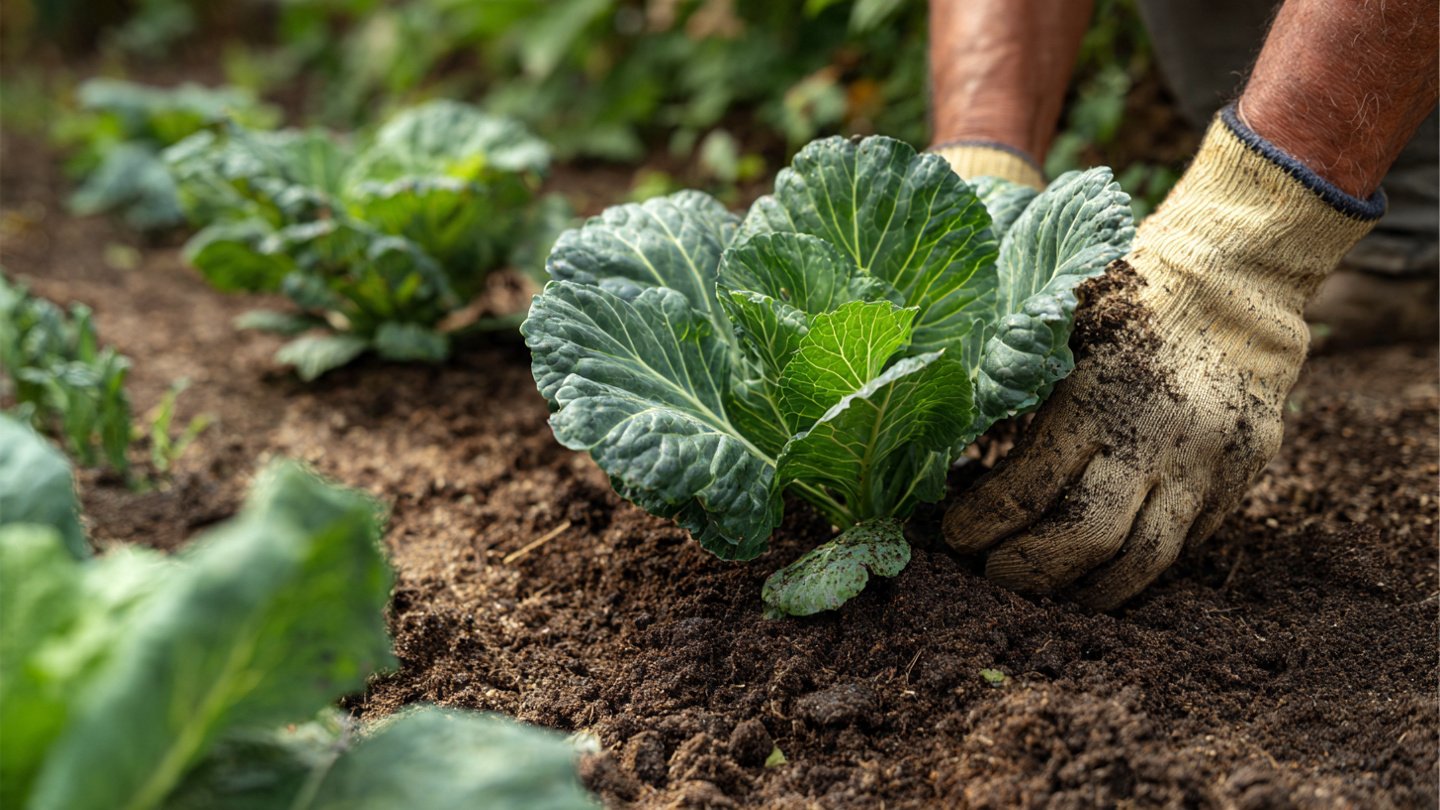
Growing a thriving vegetable garden can be a rewarding experience, but it’s not without its challenges. One common issue that many gardeners may encounter is sudden soil hardening. This phenomenon can significantly affect your garden’s health, leading to an array of problems for plant growth. In this article, we will explore the causes of soil hardening, its effects on your garden, and methods to prevent and rectify this situation.
What is Soil Hardening?
Soil hardening, or soil compaction, refers to the process where soil particles become tightly packed together, reducing the pore spaces that allow for air and water movement. This condition can occur suddenly due to various factors, leading to detrimental effects on your garden. Symptoms of hardening can include crusting on the soil surface, difficulty pushing a hand trowel into the ground, and reduced water infiltration.
Why Does Soil Hardening Occur?
Understanding the factors that contribute to sudden soil hardening is crucial for preventive measures. Here are some common causes:
1. Excessive Moisture or Rainfall
Heavy rainfall events can saturate the soil, making it more susceptible to compaction. Waterlogged soils lose their structure, and when they are walked on or worked, they become compacted. This is often seen after prolonged wet periods where the soil has not had a chance to dry and aerate.
2. Soil Type
Clay soils, while rich in nutrients, are particularly prone to compaction due to their fine texture. Sandy or loamy soils, on the other hand, generally allow for better drainage and aeration but can still harden under specific circumstances.
3. Heavy Equipment or Foot Traffic
Using heavy machinery in the garden or frequent foot traffic can compress the soil. Walking on wet soil, especially in a garden bed, can lead to immediate compaction. It’s best to limit traffic in areas where plants are growing.
4. Soil Management Practices
Poor agricultural practices, such as tilling too frequently or improperly managing organic matter, can lead to both soil hardening and loss of soil health. Tilling can break down soil structure, while inadequate organic matter diminishes soil aeration.
5. Lack of Soil Organic Matter
Organic matter plays a critical role in maintaining soil structure. Soils low in organic content tend to be more prone to compaction because they lack the aggregates that help to keep soil particles apart.
The Effects of Soil Hardening on Your Garden
Soil hardening can have several detrimental effects on your garden, including but not limited to:
1. Reduced Water Infiltration
Compacted soil creates a barrier to water movement, causing water to pool on the surface and leading to water stress for your plants. Root systems can drown or become stunted due to poor drainage.
2. Impaired Root Growth
Roots struggle to penetrate hard soil, which can stunt plant growth and reduce nutrient uptake. With limited access to essential nutrients and moisture, your vegetables may show signs of stress.
3. Decreased Air Exchange
Soil hardening reduces the amount of air that can circulate through the soil, leading to low oxygen levels around the roots. This can result in root rot and other diseases.
4. Increased Soil Temperature
Compact soils can lead to higher soil temperatures, which may be detrimental to root health, particularly in warmer climates. High temperatures can stress plants and reduce their growth potential.
Preventive Measures for Soil Hardening
Knowing the causes and effects of soil hardening can help you implement effective strategies for prevention. Here are several methods:
1. Select the Right Soil
Starting with a good quality soil mix that includes organic matter can help in reducing the chances of soil hardening. Composted materials can enhance soil structure, improving drainage and aeration.
2. Create Raised Beds
Raised beds can help improve drainage and minimize the chances of soil compaction. By avoiding foot traffic on planting areas, you can help maintain soil structure.
3. Use Mulch
Applying a layer of organic mulch can help retain soil moisture and prevent crusting on the surface. Mulch also gradually breaks down, adding organic matter back into the soil.
4. Limit Heavy Equipment Use
Try to minimize the use of heavy machinery in the garden, especially when the soil is wet. If necessary, choose lighter tools and equipment that won’t compact the soil as much.
5. Implement Crop Rotation
Rotate your crops yearly, allowing the soil to recover between growth cycles. Different plants have varying root structures that can help aerate the soil.
6. Cultivate with Care
Limit tilling and break up soil only when necessary. When you do till, ensure the soil is dry enough to avoid compaction. Consider using methods that promote no-till gardening.
Remedies for Existing Soil Hardening
If you find that your soil has already hardened, there are several methods to help remediate the situation:
1. Aeration
Aerating the soil can help alleviate compaction. This can be done through mechanical aerators or simple hand tools that create holes in the soil, allowing air and water to penetrate.
2. Incorporate Organic Matter
Adding compost or well-rotted manure can help improve soil structure. These materials create spaces within the soil, enhancing drainage and aeration.
3. Soil Conditioning
Using products like gypsum can help displace sodium in clay soils, promoting flocculation and improving soil structure. This leads to better water infiltration and reduced hardness.
4. Water Management
Implementing proper water management practices can help alleviate existing compaction. Avoid watering when the soil is overly wet, and monitor moisture levels regularly.
5. Plant Deep-Rooted Cover Crops
Growing cover crops, such as clover or rye, can help break up compacted soil. Their roots penetrate the hard soil, and when they decompose, they add organic matter back to the soil.
Conclusion
Sudden soil hardening can pose a significant challenge in vegetable gardening. However, by understanding its causes and effects, as well as taking preventive and remedial measures, you can maintain a healthy and productive garden. Always remember that healthy soil is the foundation for a thriving vegetable garden. Regularly monitor and manage your soil health, and your plants will thank you with bountiful yields. Whether through organic amendments, responsible gardening practices, or strategic planning, you can mitigate the effects of soil hardening and enjoy a flourishing garden all season long.