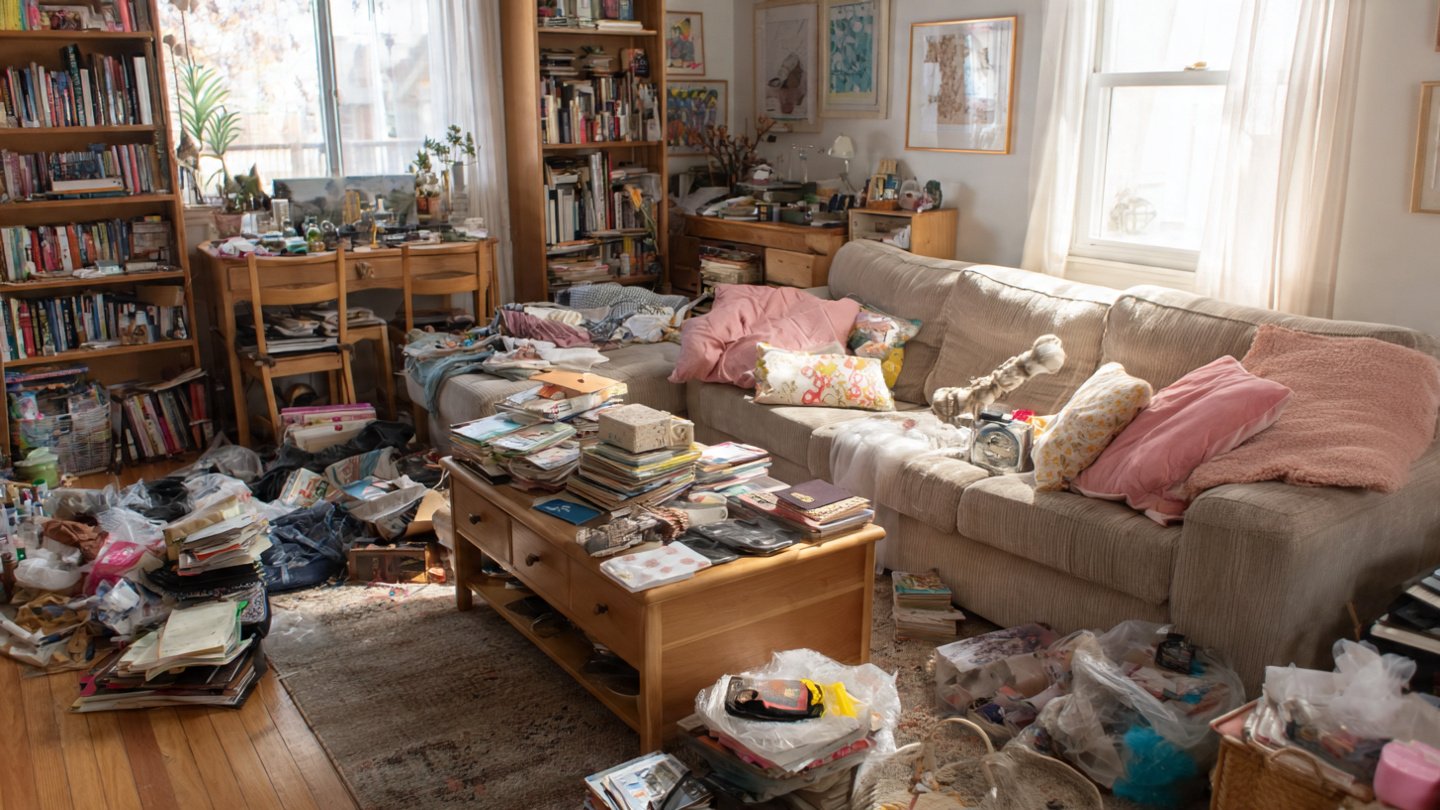
Clutter is more than just an eyesore; it’s a reflection of our habits, lifestyle, and emotional state. Understanding how clutter accumulates in our living spaces is the first step toward gaining control over it. This article explores the factors contributing to clutter accumulation, its psychological underpinnings, and practical strategies to manage it effectively.
The Nature of Clutter
Clutter can be defined as an excessive amount of items in a space that makes it difficult to find what you need or enjoy your environment. It can range from a few misplaced items to an overwhelming collection of possessions. The space may become cluttered for various reasons: lack of organization, emotional attachment to items, or simply the effects of a fast-paced lifestyle.
Factors Contributing to Clutter Accumulation
1. Emotional Attachment
One of the primary reasons clutter accumulates is emotional attachment to objects. Items received as gifts, inherited possessions, or mementos from special occasions can create a sense of obligation to keep them. Over time, these items can pile up, taking up valuable space.
2. Consumer Culture
In today’s consumer-driven society, it is easy to accumulate items. Sales, promotions, and the availability of cheap goods encourage people to purchase more than they need. Each new acquisition requires space, leading to clutter if not managed properly.
3. Lack of Time and Organization
Modern life can be so overwhelming that we often prioritize urgent tasks over organizing our spaces. When busy schedules dominate, it can be easy to let clutter build up. The lack of organization systems means items don’t have designated places, contributing to disarray.
4. Changes in Life Circumstances
Significant life changes such as moving, marriage, or having children can lead to clutter accumulation. Each transition often brings new belongings without necessarily getting rid of old ones, resulting in an overflow of items that no longer serve a purpose.
5. Mental Health Issues
People suffering from mental health conditions like depression or anxiety may struggle to maintain a tidy living environment. Emotional burdens can lead to a loss of motivation, making it challenging to sort through belongings.
6. Sentimentality
Many people hold onto items due to nostalgia. Old toys, clothes, or photographs evoke memories, making it difficult to part with them even when they no longer serve a practical purpose. This sentimentality can lead to an accumulation of items that clutter living spaces.
Understanding the Consequences of Clutter
While clutter may seem innocuous at first, it can have several consequences on both physical and mental health. Cluttered environments can increase stress and anxiety levels, distract from work or relaxation, and even impact sleep quality. Additionally, a disorganized space can be unsafe, creating hazards that may lead to injuries.
Strategies to Manage Clutter
1. Set Clear Goals
Start by identifying what you want your space to look like. Setting specific goals helps to create a vision for an organized environment. This can involve decluttering a single room, organizing a closet, or even simplifying your entire living situation.
2. Create Sorting Categories
Use categories to separate items you want to keep, donate, or discard. This system simplifies decision-making and helps to create a streamlined process for decluttering.
3. Implement the One In, One Out Rule
To prevent clutter from returning, adopt the one in, one out rule: whenever you bring a new item into your home, get rid of an old one. This approach encourages mindful consumption and helps maintain balance in your living space.
4. Choose Storage Solutions Wisely
Invest in practical storage solutions such as baskets, bins, and shelving. These help organize items neatly and ensure everything has a designated place. Label these storage solutions to make it easier to find and put things away.
5. Establish Routines
Create daily or weekly routines for tidying up. Simple tasks like making your bed, washing dishes, and organizing a workspace can be incorporated into your daily schedule to help prevent clutter from accumulating.
6. Seek Professional Help
If clutter feels overwhelming and unmanageable, consider seeking help from professional organizers. They can provide tailored strategies and support to help you regain control over your space.
Conclusion
Understanding how clutter accumulates in your living spaces is crucial for managing it effectively. By recognizing the emotional, behavioral, and situational factors that contribute to clutter, you can develop strategies to combat it. With consistency and commitment, you can transform a chaotic environment into a serene and organized space that enhances your quality of life.
FAQs
1. What are the first steps to decluttering my home?
Begin by defining your goals for decluttering. Choose a small area to tackle first, gather similar items together, and use sorting categories to decide what to keep, donate, or discard.
2. How can I keep clutter from returning after I declutter?
Adopt the one in, one out rule and establish daily routines for tidying up. Regularly evaluate your belongings to ensure they still serve a purpose or bring you joy.
3. Is clutter only physical, or can it be digital as well?
Clutter can be both physical and digital. Just as physical spaces can become cramped, digital devices can accumulate files, emails, and apps that can feel overwhelming and require organization.
4. Are there any mental health resources for those struggling with clutter?
Yes, various services offer support, including professional organizers, therapists, or support groups specifically focused on hoarding or emotional attachment issues.
5. How often should I reassess my belongings?
It’s beneficial to reassess your belongings at least twice a year. Regular evaluations can help prevent clutter from accumulating over time.