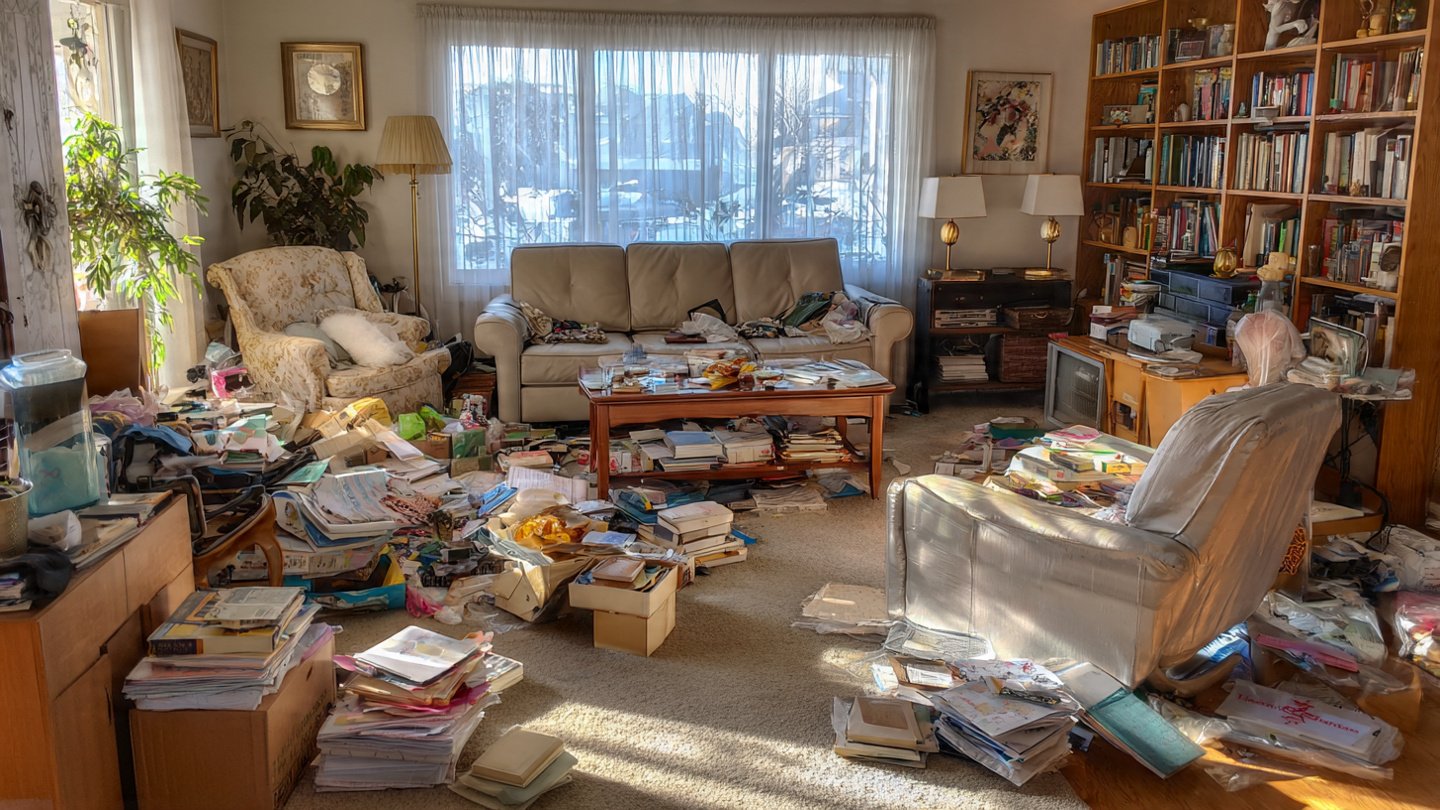
Clutter is more than just a visual nuisance; it can significantly impact our mental well-being and productivity. Many people find themselves overwhelmed by the sheer volume of items in their living spaces, often wondering how things got so out of control. Understanding how clutter accumulates is the first step to regaining control of our environments. This article explores the causes of clutter accumulation, the psychological and practical aspects behind it, and effective strategies to address it.
The Nature of Clutter
Clutter can take many forms, from tangible items like clothes and furniture to digital clutter like unorganized files and emails. Understanding the nature of clutter involves recognizing two primary types:
- Physical Clutter: This involves items that occupy space in our homes and can hinder movement, create stress, and make it difficult to find things.
- Digital Clutter: This refers to unorganised files, apps, and emails that can create chaos in our digital lives, impacting productivity and mental clarity.
How Clutter Accumulates
Clutter doesn’t appear overnight; it builds up over time through various mechanisms. Here are some common ways clutter accumulates in our living spaces:
1. Emotional Attachment
Many people hold on to items due to emotional associations. A gift from a loved one, for instance, can carry sentimental value, making it difficult to discard. These items pile up over time, contributing to clutter.
2. Procrastination and Indecision
Procrastination is another significant contributor. When people delay decisions about whether to keep or discard items, they often end up adding to the pile. This indecision can stem from a fear of making the wrong choice.
3. Consumerism and Overconsumption
In today’s consumer-driven society, the habit of acquiring new items often overshadows thoughtful decluttering. Sales, discounts, and promotional events tempt individuals to buy items they may not need. Over time, these acquisitions lead to accumulation.
4. Life Changes
Major life changes such as moving, having children, or going through a relationship change can lead to increased clutter. As people adjust to these changes, some items become remnants of a past lifestyle, cluttering current living spaces.
5. Lack of Organization Systems
A poorly organized environment can lead to clutter accumulation. Without effective storage solutions, items tend to be left out or placed haphazardly, making it easy to lose track of belongings, which further perpetuates the cycle of clutter.
The Mental Toll of Clutter
Beyond the physical space occupied by clutter, its impact on mental health is significant:
- Stress and Anxiety: Clutter can create a sense of chaos and overwhelm, leading to increased stress levels.
- Reduced Productivity: A cluttered space can hinder focus and productivity, making it difficult to complete tasks efficiently.
- Decision Fatigue: The presence of too many items can lead to decision fatigue, where the sheer number of choices drains energy and clarity.
Practical Strategies to Combat Clutter
While the accumulation of clutter can feel overwhelming, several strategies can help manage and reduce it effectively:
1. Set Clear Goals
Start with specific, achievable goals related to decluttering. Whether it’s a single room or an entire house, breaking it down into manageable tasks will make the process less daunting.
2. Implement the “One In, One Out” Rule
To prevent new clutter from accumulating, consider adopting the “one in, one out” rule. For every new item you bring into your home, let go of an existing one. This helps maintain balance.
3. Use Storage Solutions
Invest in storage solutions that fit your space. Shelves, bins, and organizers can help you categorize items and keep them in their designated spots, reducing the likelihood of clutter buildup.
4. Regularly Review and Purge
Schedule regular decluttering sessions to assess items you own. Ask yourself if you use it, love it, or need it. If the answer is no, consider donating or discarding it.
5. Be Mindful of New Acquisitions
Before purchasing new items, take a moment to ponder if they truly serve a purpose or bring joy. Being intentional with your acquisitions can significantly reduce clutter.
Conclusion
Understanding how clutter accumulates in our living spaces is vital for maintaining a healthy and harmonious environment. By recognizing the emotional, practical, and societal factors contributing to clutter, we can take proactive steps to declutter and organize our spaces. With effective strategies and consistent effort, it is possible to reclaim your home from the grips of clutter, leading to not only a more organized environment but also improved mental well-being. Overcoming clutter is not just about tidiness; it is about creating a space that supports a fulfilling and productive life.
FAQs
1. What is the best way to start decluttering my home?
The best way to start is by choosing one specific area or room and setting small, achievable goals. Begin with a set time frame and gradually work your way through the space.
2. How often should I declutter my living spaces?
While it varies by individual, a seasonal decluttering routine is generally effective. However, you can also declutter monthly or even weekly, depending on your lifestyle and needs.
3. What should I do with items I no longer want or need?
Consider donating items to local charities, recycling, or selling them online. If items are broken or unusable, properly dispose of them according to local waste management guidelines.
4. How can I prevent clutter from becoming an issue again?
Adopt consistent organizational habits, implement the “one in, one out” rule, and periodically review your belongings to remain mindful of what you own. Staying intentional with purchases can also help.
5. Can clutter affect my mental health?
Yes, clutter can lead to increased stress and anxiety levels, reduced productivity, and overall feelings of overwhelm. Creating a tidy and organized space can significantly enhance your well-being.