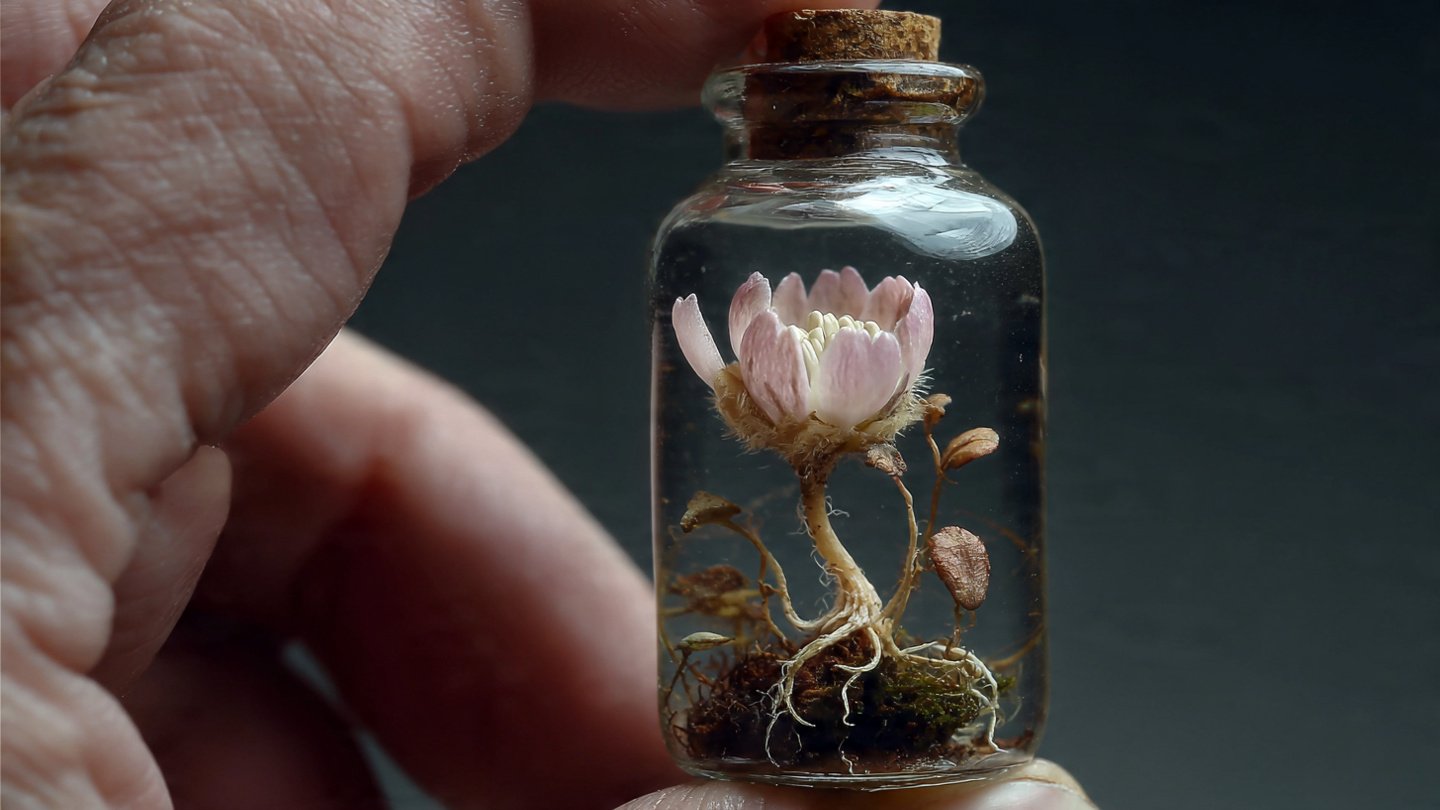
In the vast and diverse world of flora, certain species stand out not only for their beauty but also for their rarity. Among these are tiny rare flowers that capture the imagination and illustrate the delicate balance of ecosystems. These small yet extraordinary plants often hold secrets that can unlock new scientific discoveries, inform conservation efforts, and contribute to the well-being of various ecosystems. This article explores the significance, value, and pressing concerns surrounding these enchanting blooms.
The Enigmatic World of Rare Flowers
Rare flowers, especially those that are diminutive in size, can be found in diverse habitats ranging from alpine meadows to tropical rainforests. Some notable examples include the Rafflesia arnoldii, renowned for its colossal flower size, yet many tiny flowers, like the Calceolaria uniflora or the Mimulus pulchellus, provide essential functions within their ecosystems.
Rare flowers often display unique adaptations that allow them to thrive in specific conditions. These adaptations might include unusual reproductive strategies, survival mechanisms against herbivores, or even symbiotic relationships with other organisms, such as fungi or pollinators. Such characteristics are significant indicators of a plant’s evolutionary history and ecological importance.
Contributions to Ecosystem Health
The value of tiny rare flowers transcends their aesthetic appeal. They play multifaceted roles in maintaining ecosystem health:
- Pollination: Many rare flowers attract specific pollinators. For instance, the Indian Pipe (Monotropa uniflora) depends on certain insects for reproduction, highlighting the interdependence of species.
- Soil Health: Some tiny flowers help to improve soil quality through their root systems, which can prevent erosion and foster nutrient cycling.
- Habitat for Other Species: Rare flowers provide food and shelter for many organisms, including birds, insects, and small mammals, thus contributing to the biodiversity of their habitats.
- Heritage and Culture: Certain flowers carry historical or cultural significance, often used in traditional medicine or as symbols in indigenous cultures.
Threats to Rare Flower Species
Despite their invaluable contributions, tiny rare flowers face numerous threats that jeopardize their survival:
- Habitat Loss: Urban development, agriculture, and deforestation are leading causes of habitat destruction, directly impacting the populations of rare flowers.
- Climate Change: As temperatures rise and weather patterns shift, many rare species struggle to adapt, leading to declining numbers.
- Invasive Species: Non-native plants and animals can outcompete or alter the ecosystems that rare flowers rely on, putting further pressure on their existence.
- Over-collection: The allure of rare flowers for collectors or the floral industry can lead to unsustainable harvesting practices that threaten their populations.
Conservation Efforts
Recognizing the importance of these unique flowers has spurred various conservation efforts aimed at protecting their populations and habitats. Key strategies include:
- Protected Areas: Establishing national parks and nature reserves can help shield areas where rare flowers flourish.
- Restoration Projects: Actively restoring degraded habitats can revive populations of rare plants and re-establish vital ecosystem functions.
- Public Awareness: Educational campaigns can raise awareness about the threats facing rare flowers and the importance of conservation.
- Research and Monitoring: Conducting scientific studies helps track populations and understand the ecological needs of rare flowers.
The Scientific Perspective
From a scientific standpoint, tiny rare flowers are quite intriguing. Their unique genetic makeup offers opportunities for research in various fields, including agriculture, medicine, and climate science. For instance, the study of rare flowers can lead to the discovery of compounds that may have therapeutic properties or contribute to pest-resistant crops, promoting sustainable agriculture.
The Role of the Community
Communities play an essential role in the conservation of rare flora. Local groups often engage in activities such as:
- Citizen Science: Involving community members in monitoring rare species can yield valuable data for scientists.
- Official Bioblitz Events: Organizing events to catalog biodiversity helps to draw attention to rare species and their habitats.
- Community Gardens: Promoting the cultivation of native plants, including rare species, can help support local ecosystems and increase awareness.
The Economic Value of Rare Flowers
While it is easy to overlook the economic impact of tiny rare flowers, they often contribute indirectly to local economies through eco-tourism and sustainable floral industries. Preserving these plants can enhance the natural beauty of areas, attracting tourists seeking unique experiences in nature.
Moreover, the commercialization of certain rare flowers can invigorate local economies when done sustainably, offering income to communities while ensuring plant survival. Therefore, the intersection of conservation and economy presents a valuable framework for understanding the price of natural resources in our world.
Conclusion
The tiny rare flowers that grace our planet embody beauty, complexity, and ecological significance. Their roles in ecosystems highlight the interconnectedness of life, and their conservation is essential for maintaining biodiversity. As we acknowledge their priceless value, it becomes imperative to advocate for their protection and foster a deeper understanding of the need for sustainable practices in our environment.
FAQs
What defines a flower as ‘rare’?
A flower is typically considered rare if it has a limited distribution or is found in specific habitats, making it vulnerable to extinction due to environmental changes or human activities.
Why are tiny rare flowers important for ecosystems?
They contribute to pollination, soil quality, habitat stability, and biodiversity, playing crucial roles in maintaining healthy ecosystems.
How can individuals help in conserving rare flowers?
Individuals can participate in local conservation efforts, promote awareness, avoid picking rare plants, and support sustainable practices in gardening and land use.
Are there legal protections for rare flowers?
Many regions have laws protecting endangered species, including rare flowers. These regulations can help safeguard their habitats and prevent illegal collection.
What can scientific research learn from tiny rare flowers?
Research on rare flowers can reveal insights into genetics, pharmacology, ecology, and climate responses, aiding in broader scientific knowledge and applications.