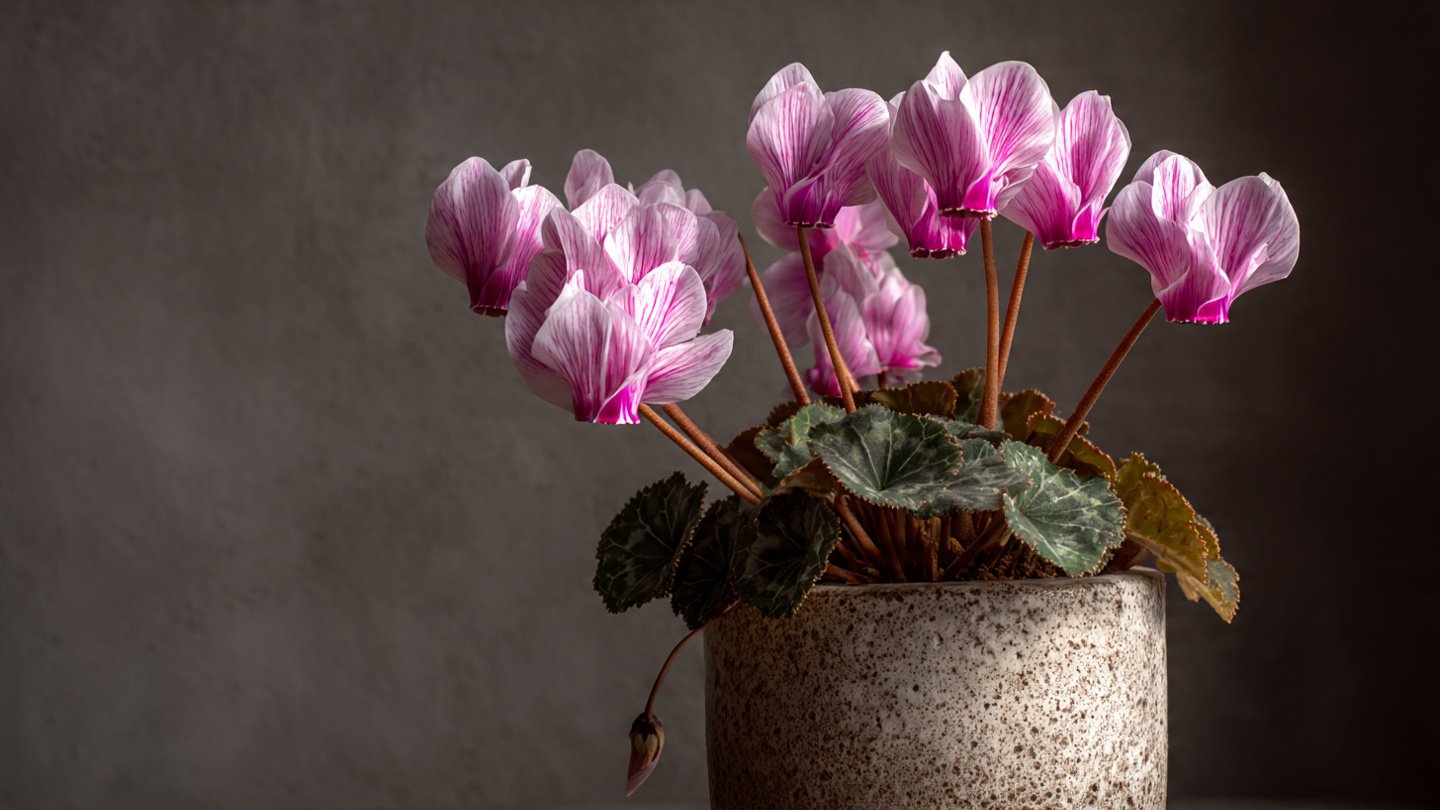
Cyclamen is a perennial flowering plant known for its heart-shaped leaves and charming, often fragrant flowers. Often associated with winter blooms, these beautiful plants can add vibrant color to your indoor or outdoor garden, especially during the colder months. Growing cyclamen from tubers can seem daunting to novice gardeners, but with the right knowledge and care, it’s a rewarding endeavor. This guide will equip you with expert tips and techniques to ensure your cyclamen thrive.
Understanding Cyclamen
Species and Varieties
Cyclamen are primarily found in the Mediterranean region, with various species adapted to different climates. The two main categories of cyclamen are:
- Hardy Cyclamen (Cyclamen hederifolium): These varieties can tolerate outdoor conditions and are often grown in gardens.
- Tropical Cyclamen (Cyclamen persicum): Frequently used for indoor purposes, they thrive in warmer, controlled environments.
Growth Timeline
Cyclamen tubers can take a few weeks to a few months to sprout, depending on the variety and environmental conditions. Understanding the growth timeline can help you plan for successes, such as flowering and dormancy periods.
The Right Environment
Light Requirements
Cyclamen prefer bright, indirect sunlight. Too much direct sunlight can scorch the leaves, while too little light can hinder growth:
- Indoors: Place them near a bright window covered by sheer curtains.
- Outdoors: Choose a partially shaded area, especially if you’re growing hardy varieties.
Temperature
Cyclamen thrive in cooler temperatures. Ideal ranges include:
- Daytime: 60°F to 70°F (15°C to 21°C)
- Nighttime: 40°F to 55°F (4°C to 13°C)
Avoid extreme temperature fluctuations, as they can stress the plants and affect flowering.
Humidity
High humidity is essential for cyclamen. If you’re indoors, using a humidity tray or a room humidifier can help. Outdoors, planting cyclamen in a moist, shaded area would mimic their natural habitat.
Soil and Planting
Choosing the Right Soil
The ideal soil for cyclamen should be well-draining yet retain some moisture. A mix of peat, perlite, and potting soil usually works well. Consider the following proportions:
- 50% peat moss
- 25% perlite
- 25% potting soil
Preparing the Tuber
Before planting, inspect the tuber. Select firm, healthy tubers, avoiding any that are mushy or shriveled. If planted immediately, ensure they are free from disease or pest infestations.
Planting the Tuber
- Depth: Plant tubers about 2 inches deep, with the top portion just above the soil surface.
- Spacing: If planting multiple tubers, space them about 6-8 inches apart to allow for growth.
- Watering: Water lightly after planting to settle the soil but avoid waterlogging.
Watering and Feeding
Watering Techniques
Water is crucial but should be approached with caution. Follow these guidelines:
- Frequency: Water when the top inch of soil feels dry. Typically, this means watering every week or as needed, depending on the environment.
- Method: Water from the base to prevent moisture on the leaves, which can cause rot.
Fertilizing
Cyclamen do not require heavy fertilization. Use a balanced, water-soluble fertilizer every 4-6 weeks during the growing period. When the flowers fade and the plant enters dormancy, reduce feeding.
Care During the Growing Season
Pruning and Deadheading
Regularly remove spent flowers to encourage new blooms. Dead heading also promotes healthy growth by directing energy back to the leaves and roots.
Managing Pests and Diseases
Common cyclamen pests include aphids and mealybugs. You can control these pests through:
- Regular inspection
- Introducing natural predators or using insecticidal soap
Cyclamen are susceptible to root rot if overwatered, so monitor soil moisture closely and adjust watering schedules as necessary.
Understanding Dormancy
Recognizing Dormancy
After the active growing season, cyclamen will enter a dormancy period. This occurs typically in late spring to summer. During this time, the leaves will yellow and die back. Here’s how to handle dormancy:
- Watering: Gradually reduce watering until the plant is nearly dry.
- Temperature: Store the pots in a cooler location at around 50°F (10°C) until they re-emerge in fall.
- Resting Period: Allow the tubers to rest undisturbed until the next growing season.
Reviving Dormant Cyclamen
When spring approaches, reintroduce consistent watering and a balanced fertilizer to stimulate growth. New leaves may take weeks to appear, so patience is key.
Troubleshooting Common Issues
Poor Growth
If your cyclamen are not thriving, assess the following:
- Light Levels: Insufficient light can cause leggy growth.
- Overwatering: Ensure pots have drainage holes and the soil isn’t waterlogged.
Yellowing Leaves
Yellow leaves can indicate several issues, including:
- Overwatering: Examine the soil moisture.
- Nutrient Deficiencies: Consider regular feeding during the growing season.
Lack of Blooms
If your cyclamen are healthy but not blooming:
- Check Light Conditions: Ensure they’re getting enough indirect light.
- Fertilizer: Confirm you’re using a suitable fertilizer during the growing period.
Winter Care
Outdoor Cyclamen
If you’re growing hardy cyclamen outdoors, ensure they are mulched during colder months to protect their roots from frost.
Indoor Cyclamen
Place indoor cyclamen away from drafts and maintain cooler temperatures to extend the blooming period.
FAQs
1. How long do cyclamen live?
Cyclamen can live for several years, often blooming annually if properly cared for.
2. When should I plant cyclamen tubers?
Late summer to early fall is the best time to plant cyclamen tubers, as they begin their active growth phase during this time.
3. Can I grow cyclamen outdoors year-round?
Hardy varieties can thrive outdoors year-round in suitable climates, while tropical cyclamen are better suited for indoor environments.
4. What should I do if my cyclamen tuber has rotted?
If you find a rotten tuber, cut away the affected area and allow it to dry out before attempting to plant it again.
5. How do I propagate cyclamen?
Cyclamen can be propagated by division. Once the tuber has produced offsets, these can be carefully separated and replanted.
Conclusion
Successfully growing cyclamen from tuber is a rewarding yet manageable task for gardeners of all experience levels. By providing proper care, appropriate conditions, and understanding their growth cycle, you can cultivate stunning cyclamen that will grace your space with beauty for years to come. Whether you’re creating a cozy indoor display or enhancing your garden, with this ultimate guide in hand, you’re well on your way to becoming a cyclamen expert. Happy gardening!