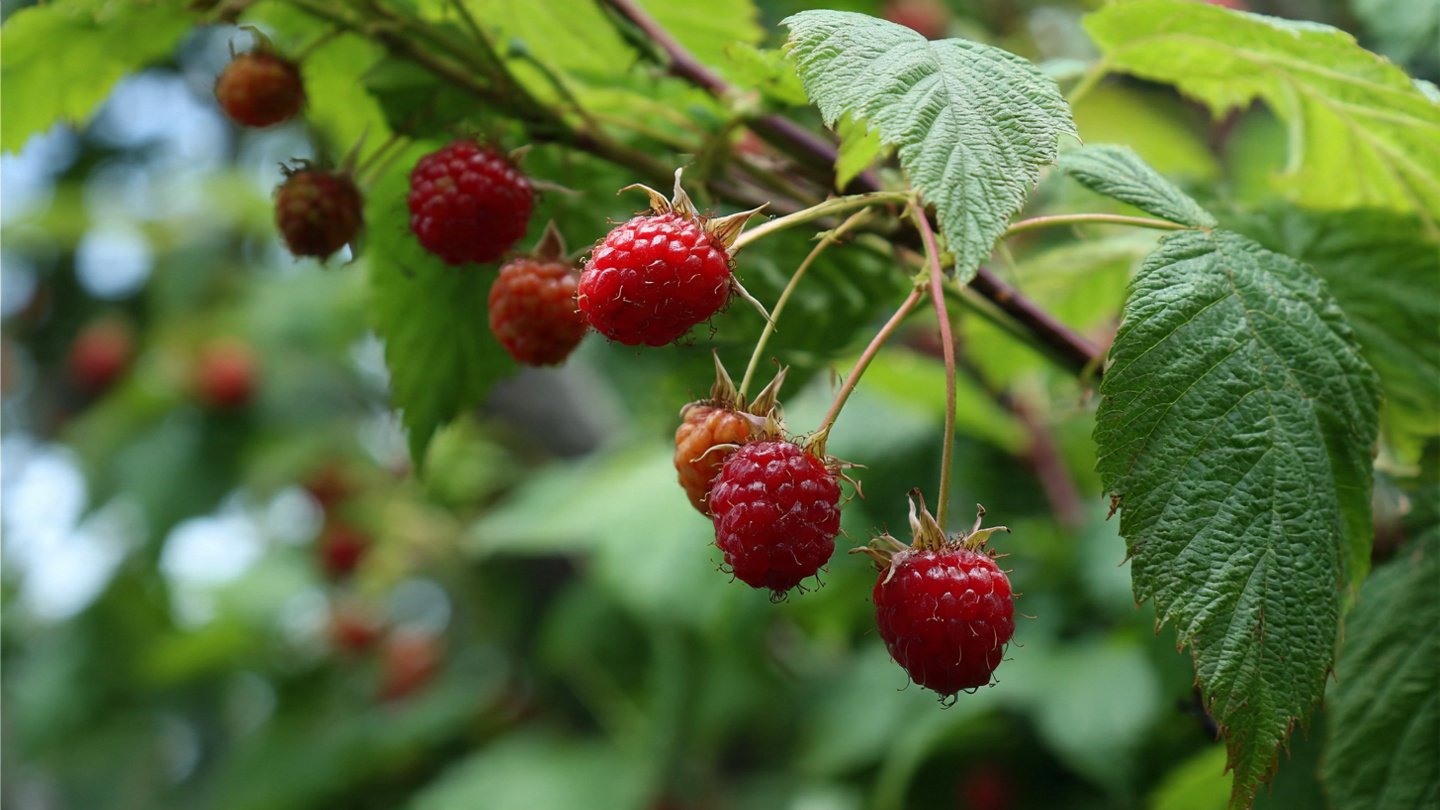
Raspberries are among the most popular fruits grown in home gardens, and for good reason. Their vibrant flavor, versatility in culinary uses, and nutritional benefits make them a favorite choice among gardeners and chefs alike. Cultivating hardy raspberry bushes can seem daunting, but with the right knowledge and techniques, you can enjoy a bountiful harvest year after year. This guide will provide you with everything you need to know about raspberry cultivation, from selection and planting to care and maintenance.
Understanding Raspberry Varieties
Before you start planting, it’s essential to understand the different types of raspberries available. Generally, raspberries can be categorized into two main types: summer-bearing and ever-bearing.
Summer-Bearing Raspberries
This type produces fruit on the previous year’s canes during the summer months. Popular varieties include:
- Heritage: Known for their sweet flavor and reliability.
- Latham: Praised for their hardiness and sweet-tart taste.
Ever-Bearing Raspberries
These varieties can produce fruit on current and previous year’s canes, yielding two harvests in one growing season—one in summer and another in fall. Notable varieties include:
- Caroline: Produces large, firm berries and is resistant to disease.
- Fall Gold: Known for its unique golden fruit and sweet flavor.
Choosing the Right Variety
When selecting a variety, consider your region’s climate, soil conditions, and the intended use of the berries. Home gardeners in colder climates should opt for hardy varieties that can withstand frost and cold temperatures.
Best Conditions for Growing Raspberries
Soil Requirements
Raspberries thrive best in well-drained, fertile soil with a pH level between 5.5 and 6.8. Before planting, carry out a soil test to determine nutrient levels and pH balance. Amend the soil with organic matter, such as compost, to improve its nutrient content and texture.
Sunlight Needs
Raspberry bushes require full sun for optimal growth and fruit production. Aim for at least 6-8 hours of direct sunlight daily. If planting in a shadier area, the yield may decrease significantly.
Watering Requirements
Consistent moisture is crucial, particularly during the fruiting phase. Water deeply once a week, ensuring the soil remains moist but not waterlogged. Mulching around the base of the plants can help retain moisture and suppress weeds.
Planting Raspberries: Step-by-Step
When to Plant
The best time to plant raspberry bushes is in early spring or late fall, depending on your regional climate. In colder areas, spring planting may be more favorable as the soil warms.
Preparing the Planting Site
- Clear the Area: Remove weeds, rocks, and debris from your chosen planting site.
- Soil Preparation: Enrich the soil by mixing in compost or well-rotted manure.
- Digging Holes: Space raspberry plants about 2-3 feet apart in rows, with 6-8 feet between rows.
Planting Raspberry Bushes
- Place the raspberry bush in the center of the hole and spread out the roots.
- Backfill the hole with soil, ensuring that the crown (the area where roots meet stems) is level with the soil surface.
- Water thoroughly after planting.
Caring for Your Raspberry Bushes
Once your raspberry bushes are planted, they require regular care to ensure they thrive.
Pruning Techniques
Pruning is essential for healthy raspberry plants. The technique varies depending on the type of raspberry:
-
Summer-Bearing: In late summer after harvesting, cut out canes that have produced fruit. In the spring, trim back any weak or damaged canes.
-
Ever-Bearing: For a fall crop, prune all canes to the ground in late winter. For two crops, selectively prune the older canes after the summer harvest.
Fertilizing
Feed your raspberry plants in early spring with a balanced fertilizer (10-10-10 NPK). Avoid high-nitrogen fertilizers, as these can produce lush foliage at the expense of fruit production. Follow up with a second feeding in mid-summer.
Pest and Disease Management
Raspberries can be susceptible to various pests and diseases. Here are the most common issues and how to manage them:
-
Pests: Aphids, spider mites, and Japanese beetles can affect raspberry plants. Use insecticidal soap or neem oil as a natural remedy.
-
Diseases: Fungal infections like powdery mildew can occur in humid conditions. Ensure good air circulation by properly spacing your plants, and avoid overhead watering to reduce humidity.
Winterizing Raspberry Plants
In colder climates, extra care is needed to protect raspberry bushes during winter months:
- Apply a thick layer of mulch around the base of the plants.
- If in very cold regions, consider covering the plants with burlap or frost cloth when temperatures drop dramatically.
Harvesting Raspberries
Harvesting raspberries requires some finesse. The berries are ripe when they easily separate from the receptacle, exhibiting a deep color (depending on the variety) and a slight softness.
Tips for Harvesting
- Harvest early in the morning when temperatures are cooler.
- Wear gloves to protect your hands from thorns.
- Gently hold the berry while twisting to detach without damaging the plant.
Recipes and Culinary Uses
Raspberries can be enjoyed in various ways. Consider these delightful options:
- Fresh: Simply enjoy them as a snack.
- Desserts: Incorporate raspberries into pies, tarts, or smoothies.
- Jams and Jellies: Preserve your harvest by making delicious raspberry jam.
- Salads: Add fresh raspberries to green salads for a burst of flavor.
FAQs
1. What is the best time of year to plant raspberries?
Answer: Early spring or late fall are ideal times to plant raspberries, depending on your climate.
2. How much sunlight do raspberry bushes need?
Answer: Raspberry bushes require at least 6-8 hours of direct sunlight daily for optimal growth and fruit production.
3. How often should I water my raspberry plants?
Answer: Water deeply once a week, ensuring the soil stays moist but not waterlogged.
4. How do I control pests and diseases in my raspberry plants?
Answer: Use insecticidal soap or neem oil for pests. For diseases, ensure good air circulation and avoid overhead watering.
5. When should I prune my raspberry bushes?
Answer: Summer-bearing raspberries should be pruned in late summer after harvesting, while ever-bearing types can be pruned in late winter or after the summer harvest.
6. What are the common raspberry diseases and how can I prevent them?
Answer: Common diseases include powdery mildew and root rot. Prevent these by providing adequate air circulation, avoiding overwatering, and maintaining healthy soil.
7. Can I grow raspberries in containers?
Answer: Yes, raspberries can be grown in containers, but choose compact varieties. Ensure pots have good drainage, and use quality potting soil.
8. How do I know when raspberries are ripe?
Answer: Ripe raspberries will easily detach from the plant when gently pulled and should be full of color and slightly soft.
By following this comprehensive guide and addressing common concerns, you can successfully cultivate hardy raspberry bushes, ensuring a fruitful and rewarding gardening experience. With patience and care, your raspberry plants will provide delicious berries for numerous seasons to come. Happy gardening!