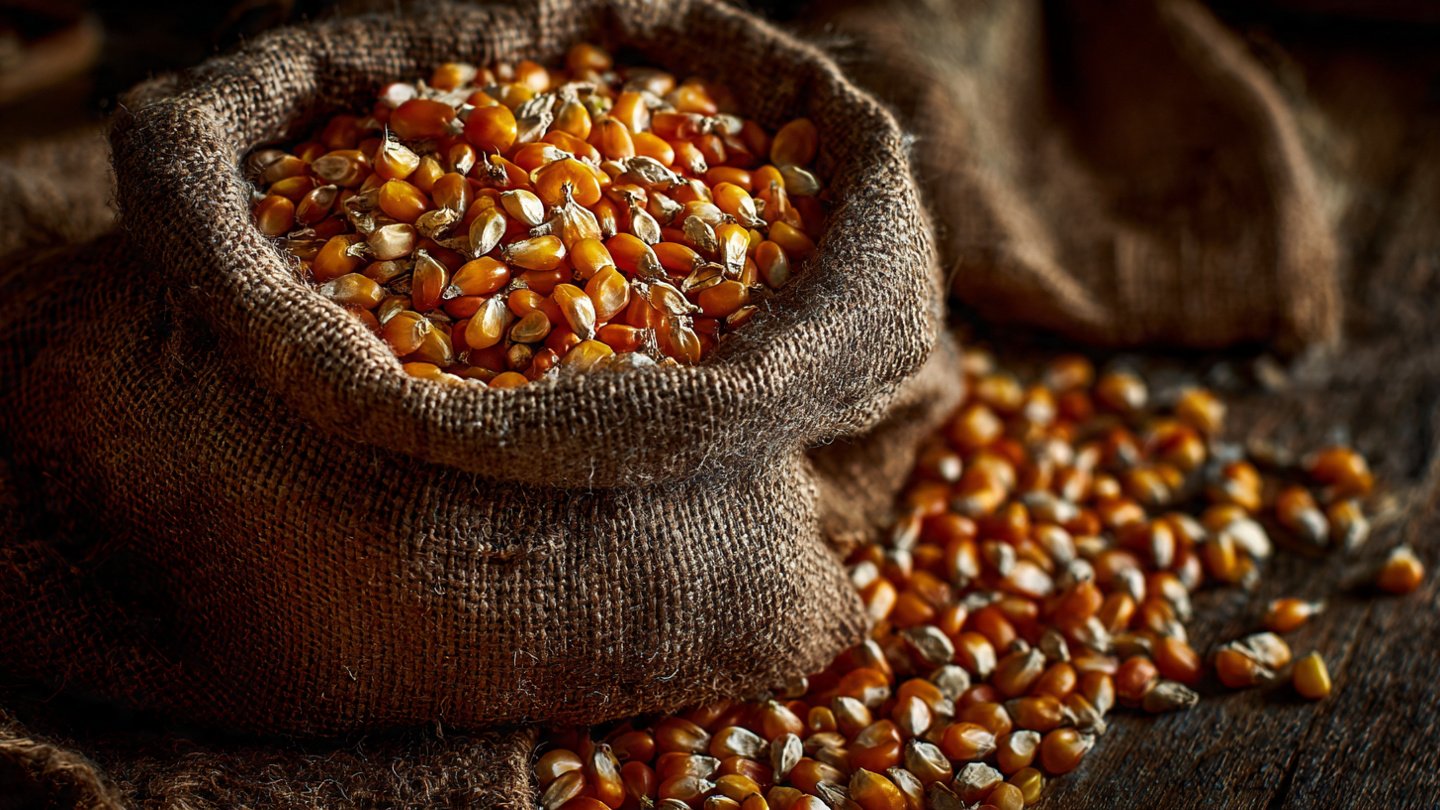
Growing your own popcorn can be a rewarding and enjoyable experience, offering a fresh, delicious snack right from your backyard. In this guide, we’ll walk you through every step of the process, from selecting the right seeds to harvesting and preparing your popcorn. Let’s get popping!
Understanding the Basics of Popcorn
Popcorn is a special type of corn known scientifically as Zea mays everta. Unlike sweet corn, which is meant for eating fresh, popcorn kernels contain a hard outer shell and a starchy interior. When heated, the moisture inside the kernel turns into steam, creating pressure until the kernel explodes, causing it to puff up into the fluffy snack we all love.
Types of Popcorn
Before you start, it’s essential to understand the different varieties of popcorn. Here are the most common types:
- Butterfly Popcorn: This variety has irregular shapes and wings that make it light and airy. It’s perfect for tossing with butter and seasonings.
- Mushroom Popcorn: Rounder and denser, mushroom popcorn is often used in caramel corn and other coatings since it holds up well without breaking.
- Hulless Popcorn: Despite its name, this popcorn still has a hull but is thinner and tends to leave fewer pieces stuck in your teeth when eaten.
Selecting Seeds
Choose high-quality seeds appropriate for your climate. You can find popcorn seeds at garden centers, online retailers, or from local farmers. Popular and reliable varieties include:
- Jubilee: Known for its sweet flavor and sturdy plants.
- Blue Corn: This variety adds visual interest with its unique blue hue.
- Strawberry Popcorn: A dwarf variety with small, ruby-red kernels.
Preparing Your Garden
Getting Started
- Choose a Location: Pick a sunny spot in your garden that receives at least 6-8 hours of direct sunlight a day. Avoid shaded areas or spots prone to strong winds, which can damage the delicate plants.
- Soil Preparation: Popcorn thrives in well-drained, loamy soil rich in organic matter. Consider performing a soil test to ensure that pH levels are between 6.0 and 7.0. Amend the soil with compost or well-rotted manure to boost fertility.
Planting
- Timing: Plant your popcorn seeds after the last frost date in your area when soil temperatures reach about 60°F (15°C).
- Spacing: Plant seeds about 1-2 inches deep, spaced 8-12 inches apart, with rows 2-3 feet apart. This spacing allows sufficient air circulation and prevents diseases.
- Watering: Keep the soil consistently moist during germination. Once the seeds establish roots, water deeply but infrequently, allowing the topsoil to dry out between waterings.
Caring for Your Popcorn Plants
Watering
Popcorn requires consistent moisture, especially during the tasseling and kernel-filling stages. Water thoroughly during dry spells, ensuring that the plants receive 1-2 inches of water a week.
Fertilizing
Use a balanced fertilizer (such as 10-10-10) during the growing season. Follow the instructions on the package for application rates. An additional application when the plants are about 12 inches tall can promote robust growth.
Pest and Disease Management
Popcorn is susceptible to various pests, including:
- Corn Earworm: These larvae can damage the ear, so check for signs of infestation.
- Aphids: These small insects can stunt growth; use insecticidal soap if necessary.
Common diseases include gray leaf spot and northern corn blight. Rotate crops each year and remove any infected plants to minimize disease spread.
Harvesting Your Popcorn
Timing the Harvest
Popcorn is typically ready for harvest when the husks turn brown and dry, and the kernels inside feel hard. The best way to confirm this is to test a few kernels for hardness and moisture content.
The Harvest Process
- Cutting the Corn: Use a sharp knife or garden shears to cut the ears off the stalks, leaving a few inches of the stalk attached.
- Drying: Hang the ears in a dry, well-ventilated area to allow them to cure for about 2-3 weeks. Ensure they are not exposed to direct sunlight, which can cause the kernels to lose moisture too quickly.
Shelling the Kernels
Once the ears are dry, you can shell the kernels by twisting or rubbing them off the cob. Store the shelled kernels in airtight containers in a cool, dry place.
Enjoying Your Homemade Popcorn
Once you’ve harvested and shelled your popcorn, it’s time to enjoy the fruits of your labor! You can pop your kernels in several ways:
- Stovetop: Heat a heavy pot with a lid, add oil and kernels, and shake until popping slows.
- Air Popper: A quick and healthy option; pour in kernels and let the appliance do the work.
- Microwave: Place kernels in a microwave-safe container, cover, and microwave in regular intervals until popping slows.
Season your popcorn with melted butter, salt, or your favorite seasonings for a delicious homemade treat.
Frequently Asked Questions
1. Do I need a special variety of corn to grow popcorn?
Yes, popcorn is a specific variety of corn (Zea mays everta) with unique popping qualities. Regular sweet corn or field corn will not pop.
2. How much space do I need to grow popcorn?
You’ll need a garden space of at least 25 square feet for a small crop, but if you have more room, you can grow a larger quantity. Space plants 8-12 inches apart in rows about 2-3 feet apart.
3. What is the best time to plant popcorn?
Plant popcorn seeds after the last frost in your area, typically in late spring, when soil temperatures reach 60°F (15°C).
4. How do I know when my popcorn is ready to harvest?
Harvest your popcorn when the husks are brown and dry, and kernels feel hard. A moisture test can help; the kernels should be around 13-14% moisture.
5. Can I grow popcorn in containers?
While not ideal, it’s possible to grow popcorn in large containers. Choose a dwarf variety and ensure your pot has good drainage and ample space for roots.
6. How should I store my harvested popcorn?
Store shelled popcorn kernels in an airtight container in a cool, dry place. Properly stored, they can last for years.
7. Can I use any type of oil to pop popcorn?
While any oil with a high smoke point can be used, common choices include canola, coconut, or grapeseed oil. Avoid olive oil as it has a lower smoke point and may not work well for popping.
8. What pests should I be worried about when growing popcorn?
Common pests include corn earworms and aphids. Monitor your plants regularly and take measure using organic pesticides if necessary.
Conclusion
Growing your own popcorn can be a delightful and fruitful endeavor. With the right preparation, care, and patience, you can enjoy fresh, delicious popcorn straight from your garden. Whether for a family movie night or a summertime gathering, your homegrown popcorn is a treat everyone will love. Happy gardening!