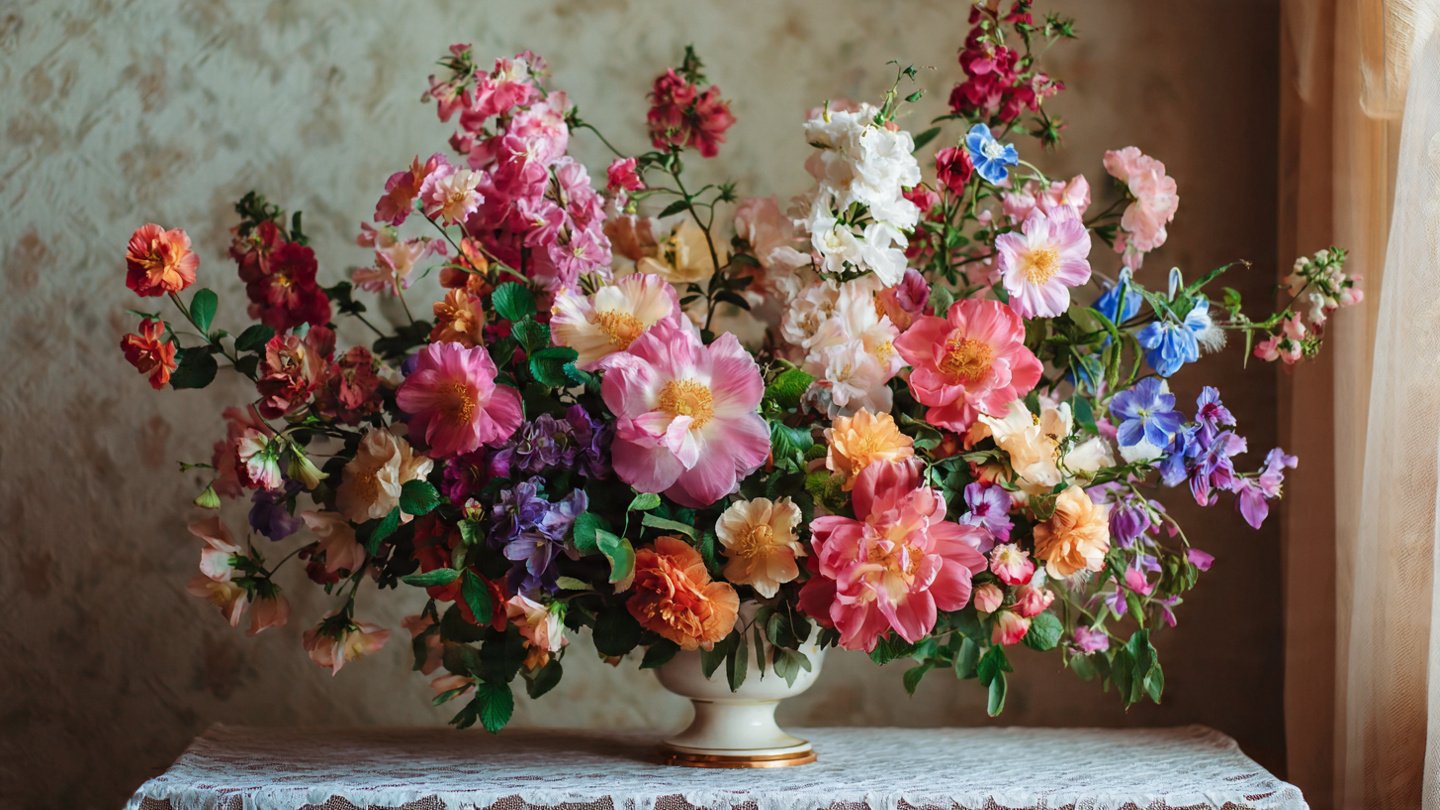
Growing indoor flowers can bring a vibrant touch to your home, enhancing both aesthetics and mood. With the right knowledge and techniques, anyone can cultivate beautiful blooms indoors, regardless of experience level. This guide will explore everything you need to know, from selecting the right plants to maintenance tips and troubleshooting common issues.
1. Choosing the Right Indoor Flowers
Popular Choices for Indoor Flowers
When selecting indoor flowers, consider factors like light conditions, temperature, and maintenance requirements. Here are some popular options:
- African Violets: Known for their bright colors and soft petals, African violets thrive in moderate light and require regular watering.
- Peace Lily: With its elegant white blooms, the Peace Lily is forgiving and thrives in low light. It also purifies the air, making it a great addition to any room.
- Orchids: Striking and exotic, orchids add an elegant touch. They require a bit more maintenance, preferring bright, indirect light.
- Geraniums: Hardy and colorful, geraniums are perfect for sunny windowsills and require well-drained soil.
- Chrysanthemums: These cheerful flowers bloom in various colors and require bright light and regular watering.
Seasonal Considerations
Different flowers thrive in different seasons. When choosing indoor plants, consider the seasons and how they correspond to your home environment:
- Spring: Ideal for starting new plants; consider flowering bulbs like tulips and daffodils.
- Summer: Opt for plants that flowering in warmer weather, like geraniums and begonias.
- Autumn: Mums are in full bloom and can brighten up your indoor space as temperatures drop.
- Winter: Look for hardy plants like Christmas cactus or amaryllis that thrive indoors during the cold months.
2. Understanding Light Requirements
Types of Lighting
Different flowers have different light requirements. Understanding these can greatly influence your plant’s health:
- Low Light: Plants like the Peace Lily do well in shaded areas. They require minimal light and can survive in darker rooms.
- Indirect Light: Many indoor flowers prefer indirect sun; this means they benefit from bright light but not direct beams that can scorch their leaves. A north or east-facing window is typically ideal.
- Direct Light: Full-sun plants, like succulents and geraniums, need several hours of sunlight each day. A south-facing window usually provides the right conditions.
Timing of Light Exposure
- Morning Sun: Gentle morning light is beneficial, especially for flowers that thrive in full sun.
- Midday Sun: Harsh afternoon sun can damage delicate petals. Adjust your setup to provide filtered light during this time.
- Artificial Lighting: If your home has limited light, consider using grow lights to supplement natural sunlight.
3. Soil and Potting Fundamentals
Selecting the Right Soil
Using the right soil is crucial for the well-being of your indoor flowers. Look for:
- Well-Draining Soil: Heavy soils can lead to root rot; opt for potting mixes designed specifically for flowering plants or create your own blend.
- Organic Matter: Inclusions like peat moss, compost, and vermiculite can improve water retention and nutrient availability.
Potting Basics
- Drainage Holes: Always choose pots with drainage holes to prevent waterlogging.
- Size Matters: Start with a pot that’s slightly larger than the root ball of your plant. Over time, you can repot as your plant grows.
- Repotting: Do this every 1-2 years to refresh the soil and promote healthy growth.
4. Watering Techniques
Best Practices
- Consistency is Key: Many indoor plants prefer consistent moisture. Water when the top inch of soil feels dry.
- Watering Method: Water until it drains out of the bottom of the pot to ensure entire root systems are hydrated.
- Time of Day: Watering in the morning allows plants to absorb moisture before the day’s heat, reducing evaporation.
Common Mistakes
- Overwatering: This is the most common mistake among indoor gardeners. It can lead to root rot. Always check the soil moisture before watering.
- Underwatering: Conversely, letting the soil dry out too much can stress the plant. Consider using moisture meters to help gauge soil moisture accurately.
5. Feeding and Nutrients
Types of Fertilizers
Indoor flowers require nutrients to thrive:
- Slow-Release Fertilizers: These can be mixed into the soil and will feed the plant gradually.
- Liquid Fertilizers: Great for instant nutrient boost, especially during the growing season (spring and summer).
- Organic Options: Consider compost tea or fish emulsion for a natural approach.
Feeding Schedule
- Growing Season: Fertilize every 4-6 weeks during spring and summer.
- Dormant Season: In fall and winter, most plants rest, so reduce or cease fertilization.
6. Pest Control and Troubleshooting
Common Pests
Indoor plants are susceptible to various pests:
- Aphids: Tiny and often found on new growth. Use insecticidal soap or neem oil.
- Spider Mites: Small but can cause wilting; increase humidity and treat with soap or essential oils.
- Fungus Gnats: Small flies that hover around the soil. Let the soil dry out between waterings to disrupt their lifecycle.
Identifying Stress Symptoms
- Yellowing Leaves: Could indicate overwatering or nutrient deficiency.
- Browning Edges: Often a sign of underwatering or low humidity.
- Wilting: Generally indicates either overwatering or underwatering; assess the moisture level promptly.
7. Enhancing Home Environment with Indoor Flowers
Placement and Arrangement
- Focal Points: Use large, flowering plants as focal points in rooms.
- Grouping: Group plants with similar care needs together for easier maintenance and a lush look.
- Height Variation: Vary heights of plants for visual interest; consider tall plants on pedestals or shelves.
Seasonal Displays
Switch out plants seasonally or create arrangements that reflect seasonal colors and themes. For example:
- Spring: Tulips and daffodils.
- Summer: Bright geraniums and tropical flowers.
- Autumn: Mums and deeper-toned flowers.
- Winter: Poinsettias and Christmas cacti.
FAQs
How often should I water indoor flowers?
Water indoor flowers when the top inch of soil feels dry, typically once a week. However, this varies depending on the plant type and environmental conditions.
What type of light do indoor flowers need?
Most indoor flowers prefer bright, indirect light. Some require direct sunlight, while others thrive in low light. Check specific plant requirements for best results.
How can I tell if my plant is getting enough light?
If your plant is leggy, with elongated stems and sparse leaves, it may not be getting enough light. Healthy plants will have compact growth and vibrant foliage.
Is it necessary to fertilize indoor flowers?
While not strictly necessary, fertilizing during the growing season (spring and summer) can promote vibrant blooms and overall plant health.
What should I do if I notice pests on my plants?
Isolate the affected plant and treat it with insecticidal soap, neem oil, or home remedies. Regular inspections can help catch infestations early.
Can indoor plants help with air quality?
Yes, many indoor plants, such as Peace Lilies and Spider Plants, can help purify indoor air by removing toxins and increasing humidity.
How do I propagate indoor flowers?
Many indoor flowers can be propagated through stem cuttings or dividing root systems. Research specific methods for your flowers to ensure successful propagation.
In Conclusion: Growing indoor flowers can transform your home into a vibrant space filled with color and life. By understanding each plant’s needs and creating the right environment, you’ll cultivate a beautiful indoor garden that can thrive throughout the year. Happy planting!