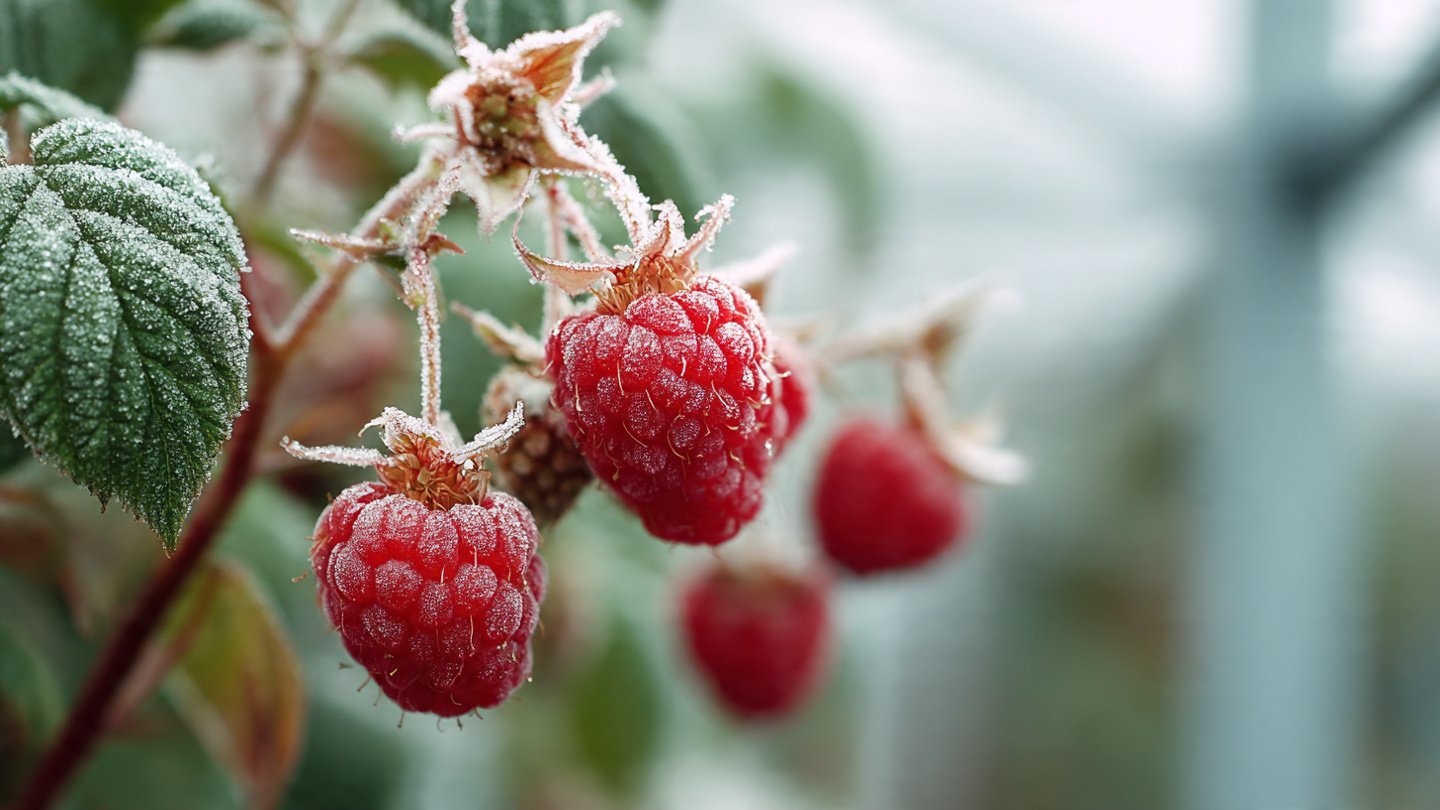
Raspberries are a beloved fruit, cherished for their sweet-tart flavor and vibrant color. For gardeners in colder climates, the challenge of growing this delicate berry may seem daunting, but with the right techniques and knowledge, you can enjoy a bountiful harvest even in less-than-ideal conditions. This guide aims to provide both beginners and experienced gardeners with essential tips, best practices, and insights into successful raspberry cultivation in cold climates.
Understanding Raspberries and Varieties
Raspberries (Rubus idaeus) are perennial plants known for their arching canes, which can produce fruit in the summer or fall. Two primary types of raspberries are:
-
Summer-bearing (Floricane): These varieties produce their fruit on second-year canes, meaning they require patience as you wait for your first harvest in the second growing season. Examples include ‘Red Latham’ and ‘Heritage.’
-
Fall-bearing (Primocane): These types produce fruit on the first-year canes, providing a quicker harvest. They can often yield fruit in late summer and again in the fall. Popular varieties include ‘Caroline’ and ‘Autumn Bliss.’
For cold climates, look for hardier varieties that are specifically bred to withstand lower temperatures. Consult local extension services or garden centers for recommendations suited to your area.
Site Selection
Choosing the right location is crucial for your raspberry plants:
-
Sunlight: Raspberries require full sun for at least six to eight hours a day to produce luscious fruit. Select a spot in your garden that doesn’t get shaded by trees or structures.
-
Soil Conditions: Well-draining, loamy soil with a pH of 5.5 to 6.8 is ideal for raspberries. Heavy clay soils may retain too much moisture and lead to root rot, while sandy soils may not hold enough nutrients.
-
Protection from Winds: In colder climates, winds can cause damage to young canes. Consider planting raspberries near a windbreak like a fence or a row of taller plants.
Soil Preparation
Before planting, prepare your soil to ensure it’s nutrient-rich and suitable for raspberry growth:
-
Test the Soil: Utilize a soil test kit to determine nutrient levels and pH. Amend the soil based on the test results.
-
Add Organic Matter: Incorporate compost or well-rotted manure to improve soil structure and nutrient content.
-
Tilling: Loosen the soil to a depth of 12-15 inches and ensure that it’s well-aerated.
Planting Raspberries
Following proper planting techniques is essential for establishing strong plants:
-
Planting Time: The best time to plant raspberries is in early spring or late fall, depending on your local climate.
-
Spacing: Space your plants about 18-24 inches apart in rows that are 5-6 feet apart. This allows for proper air circulation, which helps prevent disease.
-
Plant Depth: When planting, ensure that the crown (where the canes meet the roots) is level with the soil surface.
-
Watering Post-Planting: Water thoroughly right after planting and continue regular watering during dry spells.
Care and Maintenance
Maintaining raspberry plants requires ongoing care, especially in cold climates:
Watering
-
Consistency: Raspberries need about an inch of water per week. Use mulching to retain soil moisture and minimize fluctuations in water levels.
-
Avoid Overwatering: Ensure proper drainage to prevent root rot.
Fertilizing
-
Nutrient Needs: Raspberries benefit from a balanced slow-release fertilizer high in phosphorus and potassium in early spring. Follow the package instructions for application rates.
-
Organic Options: Compost tea and fish emulsion can be effective organic fertilizers, providing essential nutrients.
Pruning
Pruning is critical for fruit production and plant health:
-
Timing: Prune late in winter or early spring before new growth begins.
-
Removal of Dead Canes: Remove any dead or weak canes, which encourages air circulation and reduces disease risk.
-
Shaping: For summer-bearing varieties, remove last year’s fruiting canes after harvest; for fall-bearing types, you can cut them down to ground level in late winter.
Pest and Disease Management
Cold climates can still harbor pests and diseases:
-
Common Pests: Watch out for aphids, spider mites, and root borers. Use organic insecticidal soap to manage infestations.
-
Fungal Diseases: Powdery mildew and rust can affect raspberry plants. Ensure good air circulation and apply organic fungicides when necessary.
Winter Protection
Taking steps to protect your raspberry plants during harsh winters is crucial in colder climates:
-
Mulching: Apply a thick layer of straw or wood chips around the base of the plants to insulate the roots.
-
Cane Protection: For fall-bearing varieties, cut the canes down to about 6 inches above the ground in late fall, covering them with mulch. For summer-bearing types, prune canes and let them stand; then mulch around the base.
-
Row Covers: In particularly cold regions, consider using row covers or fleece to shield plants from extreme temperatures.
Harvesting Raspberries
Harvesting is the most exciting part of growing raspberries! Here’s how to do it right:
-
Timing: Ripe raspberries easily detach from the cane. Harvest in the morning when the berries are cool for the best flavor and shelf life.
-
Frequency: Check your plants every few days during peak season, as raspberries can ripen quickly.
-
Handling: Handle the delicate berries gently to avoid bruising, and store them in a cool, dry place.
Conclusion
Growing raspberries in cold climates may seem challenging, but with the right planning and care, you can achieve a fruitful harvest. From selecting the best varieties and preparing the soil to implementing proper care and protection against winter cold, this guide equips you with the knowledge needed to grow these delicious berries successfully.
FAQs
Q1: What are the best raspberry varieties for cold climates?
A1: Look for hardy varieties like ‘Boyne,’ ‘Latham,’ ‘Heritage,’ and ‘Caroline,’ which have been bred to withstand colder temperatures.
Q2: How much sunlight do raspberries need?
A2: Raspberries require at least 6-8 hours of full sunlight per day for optimal growth and fruit production.
Q3: When is the best time to plant raspberries?
A3: Early spring or late fall is the best time to plant raspberry canes, as the ground is workable and temperatures are mild.
Q4: How often should I water my raspberries?
A4: Raspberries need about 1 inch of water per week. Water deeply, especially during dry periods, and use mulch to retain moisture.
Q5: How do I prune my raspberry plants?
A5: Prune summer-bearing raspberries in late winter/early spring by removing old canes after harvest. For fall-bearing varieties, cut canes down to the ground in late winter.
Q6: What common pests should I watch for?
A6: Common pests include aphids, spider mites, and fruit flies. Monitor your plants regularly and use organic pest control methods when necessary.
Q7: How can I protect my raspberries during winter?
A7: Apply mulch around the base of the plants and consider cutting down fall-bearing raspberry canes for added winter protection.
With these insights, both novice and seasoned gardeners can successfully cultivate raspberries, reaping the rewards of their efforts for years to come. Happy gardening!