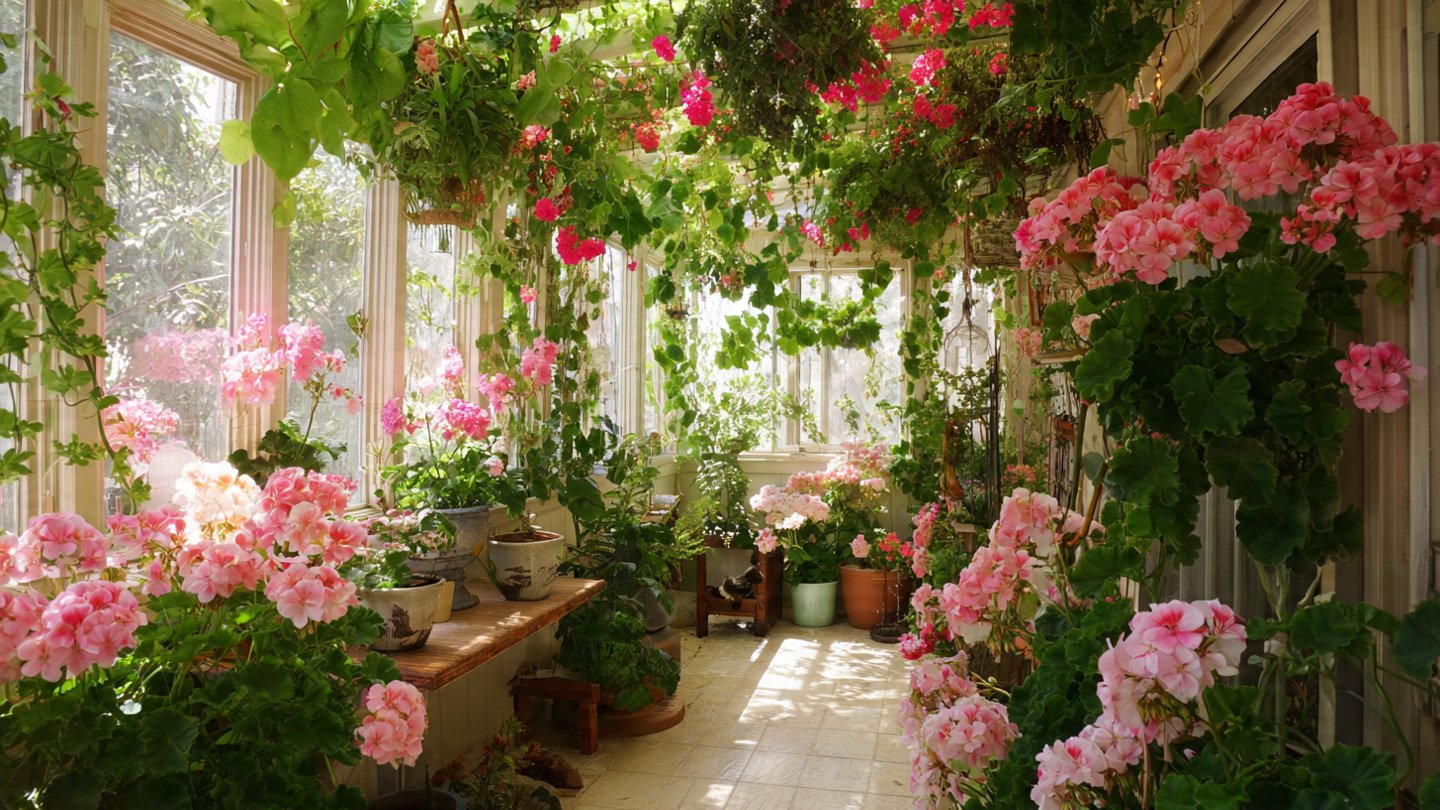
Creating an indoor hanging garden filled with vibrant ivy geraniums can transform any living space into an oasis of color and texture. Known for their beautiful blooms and trailing nature, ivy geraniums (Pelargonium peltatum) are not just popular for their outdoor beauty but also thrive indoors with the right care. In this comprehensive guide, we’ll explore everything from choosing the right potting mix to ideal lighting conditions, watering practices, and maintaining your indoor hanging garden.
Understanding Ivy Geraniums
Origins and Characteristics
Ivy geraniums are native to South Africa and belong to the Pelargonium family. They are characterized by their ivy-like leaves and cascading habit, making them perfect for hanging baskets or pot arrangements. Their flowers bloom in varying shades, from soft pastels to bold reds, creating a visual spectacle.
Choose the Right Variety
Ivy geraniums come in various cultivars with different flower colors and growth patterns. Some popular options include:
- Horizon Series: Known for their compact growth and vibrant blooms.
- Confetti Series: Features an array of colors and unique patterns.
- Cascade Series: Offers longer trails, making them suitable for larger hanging baskets.
Choosing the right variety is essential for achieving your desired aesthetic.
Setting Up Your Indoor Hanging Garden
Selecting Containers
Containers play a crucial role in the health of your ivy geraniums. Here are a few tips:
- Size: Choose containers that are at least 6-8 inches deep to accommodate the root system.
- Material: Clay pots offer excellent drainage and breathability while plastic pots are lightweight and retain moisture longer.
- Drainage: Ensure the pots have drainage holes to prevent waterlogging.
Potting Mix
A high-quality potting mix is vital for healthy growth. Opt for a mix that provides good drainage yet retains some moisture. A suggested blend is:
- 50% potting soil
- 30% perlite for aeration
- 20% compost for nutrients
This mixture ensures a balanced environment for the roots to thrive.
Light Requirements
Ivy geraniums love bright light but can suffer from scorching if exposed to direct sun for extended periods. Here’s how to balance their light requirements:
- Location: Place the plants near east or west-facing windows where they will receive bright, indirect light.
- Supplemental Lighting: If natural light is insufficient, consider using grow lights for 12-14 hours per day to promote growth.
Monitor the leaves: If they turn yellow or drop, the plant might be getting too much or too little sunlight.
Watering Practices
Watering is a critical aspect of ivy geranium care. Overwatering can lead to root rot, while underwatering can cause wilting. Follow these best practices:
- Frequency: Water when the top inch of the soil feels dry. This might be once a week, but adjust based on environmental conditions.
- Technique: Water deeply to ensure moisture reaches the roots, but allow excess water to drain away.
- Humidity Levels: Ivy geraniums prefer moderate humidity. If your home is dry, consider misting the leaves occasionally.
Fertilizing Ivy Geraniums
To promote healthy blooms and robust foliage, regular fertilization is essential:
- Type of Fertilizer: Use a balanced water-soluble fertilizer (20-20-20) or one specifically formulated for flowering plants.
- Frequency: Fertilize every 2-4 weeks during the growing season (spring and summer) and reduce to once a month in fall and winter.
Follow package instructions for dilution rates to avoid over-fertilizing, which can harm the plants.
Pruning and Maintenance
Regular pruning encourages bushier growth and more flowers. Here’s how to maintain your ivy geraniums:
- When to Prune: Prune in early spring before new growth begins and pinch back leggy stems throughout the growing season.
- Tools: Use clean, sharp scissors or pruning shears to make clean cuts.
- Deadheading: Remove spent flowers regularly to encourage new blooms and keep the plant looking neat.
Pest and Disease Management
Ivy geraniums can face issues such as aphids, whiteflies, and fungal infections. Implement these strategies for effective management:
- Inspection: Regularly check under leaves and on stems for pests.
- Organic Insecticides: Use neem oil or insecticidal soap as a natural solution to pests.
- Air Circulation: Ensure good air circulation around your plants to prevent disease development.
Creating a Lush Hanging Garden Atmosphere
Arranging Your Containers
For an appealing display, consider the following arrangement tips:
- Layering: Use various heights and sizes to create visual interest. Place taller plants at the back and trailing ivy geraniums at the front.
- Color Combinations: Mix different flower colors and foliage textures for an eye-catching display.
Using Trellises and Support
If you want to add more dimension to your hanging garden, consider installing small trellises or supports. This allows ivy geraniums to climb and creates a cascading effect.
Accessorizing Your Space
To enhance the atmosphere, think about:
- Decorative pots: Use pots with unique designs to add character to your space.
- Lighting: Incorporate soft ambient lighting to highlight your hanging garden, especially during the evening.
- Additional Plants: Combine ivy geraniums with other trailing plants like Tradescantia or Scindapsus to create a lush, multi-layered effect.
Seasonal Care
Spring and Summer
These are the active growing seasons for ivy geraniums. Focus on regular watering, fertilization, and pruning during this time. As outdoor temperatures rise, ensure your plants receive enough light while avoiding direct midday sun.
Fall and Winter
As growth slows, taper off fertilization and reduce watering frequency. Ensure that plants are not exposed to drafts or extreme temperature changes, which can stress the plants.
FAQs
1. Can ivy geraniums grow in low light conditions?
While ivy geraniums can adapt to lower light, their growth may slow, and flowering will be minimal. Providing bright, indirect light yields the best results.
2. How often should I water my ivy geraniums?
Water when the top inch of soil feels dry. This usually translates to once a week, but environmental conditions may require adjustments.
3. What pests should I look out for on ivy geraniums?
Common pests include aphids, whiteflies, and spider mites. Regularly inspect your plants and take action if any infestations occur.
4. How can I encourage more blooms?
Regular deadheading of spent flowers, adequate sunlight, and consistent fertilization during the growing season will encourage more blooms.
5. Can I keep ivy geraniums outside during the summer?
Yes, ivy geraniums can thrive outside in the summer, but be cautious of extreme heat and direct sunlight. Gradually acclimate them to outdoor conditions to prevent shock.
6. Are ivy geraniums toxic to pets?
Ivy geraniums are generally non-toxic, but it’s always a good idea to keep an eye on pets to ensure they don’t ingest any plant material.
7. Is there a best time to repot my ivy geraniums?
Spring is the best time to repot, as it coincides with the plant’s active growth phase. Use this opportunity to refresh the potting mix.
Conclusion
Growing ivy geraniums indoors is a rewarding experience that can create a stunning and invigorating atmosphere in your home. By following the guidelines outlined above, you can cultivate a lush hanging garden brimming with life and color. Remember, patience and observation are key to successful indoor gardening. Happy planting!